

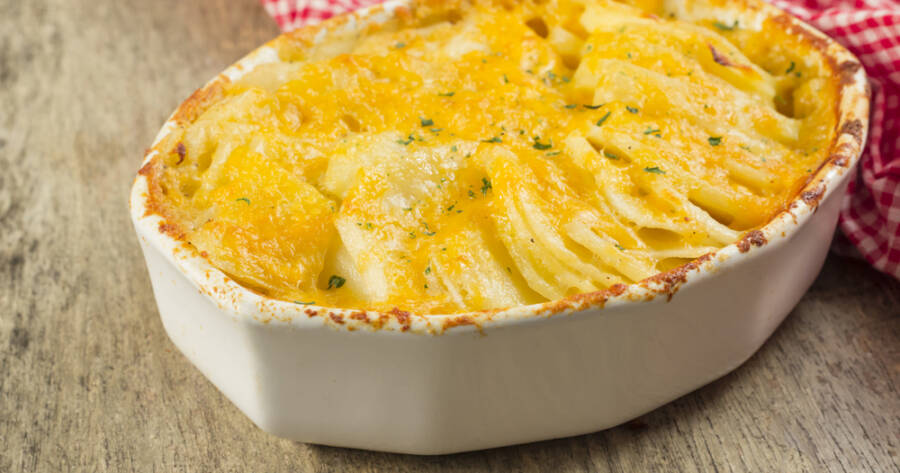
American dinner tables in the 1960s told a story of cultural curiosity, comfort, and creativity. From French-inspired dishes brought home by jet-set travelers to hearty weeknight staples that fed entire families, the decade’s meals carry a kind of warmth that still resonates in the 21st century.
A Decade That Changed How Americans Cooked
The 1960s marked a turning point in American home cooking. After years dominated by canned goods, TV dinners, and convenience-first thinking, everyday cooks began reaching for something more adventurous. Much of that shift came from cultural forces working together at once — jet travel opened up international flavors, and public figures like Jacqueline Kennedy brought European dining sensibilities into the national conversation (source).
No single figure shaped the decade’s palate more decisively than Julia Child, whose accessible approach to French cooking convinced millions of home cooks that sophisticated meals were within reach (source). Her influence reached far beyond her television appearances, filtering through popular magazines like Good Housekeeping, Better Homes and Gardens, and Family Circle, which all served as trusted recipe sources for households across the country (source). The result was a middle-class dinner table that mixed homespun comfort with a newly acquired taste for the worldly.
The Rise of French-Inspired Home Cooking
Boeuf bourguignon became one of the era’s signature dinner dishes, carried from French farmhouse kitchens into American suburbs largely on the strength of Julia Child’s tutorials (source). The dish — slow-braised beef in red wine with mushrooms and pearl onions — felt luxurious but manageable for a determined home cook. It represented something the decade craved: dinner that felt like an occasion.
Beef Burgundy over egg noodles offered a slightly simpler spin on the same tradition, pairing tender beef and mushrooms in a rich, savory sauce with a base that stretched the meal further and satisfied a hungry table (source). Dishes like these moved French cooking off the pedestal and onto weeknight menus, making them accessible without stripping away their appeal.
Communal Eating and the Fondue Craze
Few food trends captured the spirit of 1960s dinner parties quite like fondue. The Swiss dish didn’t gain real traction in American homes until the decade brought with it a growing fascination with international cuisine and communal-style eating (source). Suddenly, hosting dinner meant gathering guests around a bubbling pot, dipping bread into melted cheese, or later, cooking beef in hot oil at the table. It was as much performance as it was a meal.
Three-cheese fondue became a party staple, and its presence at a dinner gathering signaled a host who was plugged into contemporary food culture (source). The fondue set itself — often given as a wedding or housewarming gift — became a fixture in American kitchens throughout the era, and many of those sets are still turning up in estate sales today, a testament to how deeply the trend took hold.
Hearty Weeknight Favorites That Fed Families
Not every 1960s dinner aimed for European sophistication. Many of the decade’s most beloved meals were built for practicality — dishes that could be stretched to feed a full household, prepared in advance, or assembled quickly after a long day. Chicken à la King fit that description perfectly, combining shredded chicken with colorful vegetables in a creamy sauce that could be ladled over rice, toast, or biscuits and felt complete without much fuss (source).
Meatball Stroganoff occupied a similar role in the weeknight rotation — a satisfying, filling dish that required minimal prep time and consistently pleased even the pickiest eaters at the table (source). Swedish meatballs, a cousin dish with Scandinavian roots, also gained popularity during this period, finding their way into home kitchens and dinner party spreads alike (source).
Party Appetizers That Became Cultural Icons
The 1960s dinner party extended beyond the main course. Appetizers became a category of their own, with hosts eager to impress from the first bite. Grape jelly cocktail meatballs — a combination that sounds improbable today — took hold as a party staple throughout the decade, appearing on recipe cards and in home entertainment columns across the country starting in the early 1960s (source). The sweet and savory contrast made them hard to resist, and the recipe spread rapidly through neighborhood social circles.
These appetizers reflected the decade’s broader approach to entertaining: a mix of novelty and ease, designed to spark conversation and signal a host’s personality. Cookbooks and magazines provided the templates, but hosts personalized these dishes, building local reputations around their particular versions (source).
Desserts That Left a Lasting Impression
Few 1960s desserts made a bigger cultural splash than the Tunnel of Fudge Cake. In 1966, home baker Ella Helrich submitted the chocolate walnut Bundt cake with its signature fudgy interior to the Pillsbury Bake-Off competition, and it quickly became one of the most requested recipes in the contest’s history (source). The cake’s unexpected molten center seemed almost magical to home bakers at the time, and its popularity was so immediate that it drove a dramatic surge in demand for Bundt pans across the country.
Desserts like this one reflected a decade that embraced dramatic presentation alongside genuine deliciousness. Whether the goal was a showstopping centerpiece at a dinner party or a satisfying finish to a weeknight meal, 1960s home bakers brought real ambition to the dessert course.
Why 1960s American Dinners Are Worth Revisiting
The meals that defined American dinner tables sixty years ago haven’t lost their relevance — they’ve simply stepped out of the spotlight. These dishes carry genuine history, shaped by cultural change, culinary curiosity, and the practical demands of feeding families on a budget. Exploring them offers more than nostalgia; it connects today’s cooks to a moment when American home cooking was actively expanding its own definition.
Chicken à la King, fondue gatherings, slow-braised beef, and party meatballs each tell part of a story about who Americans were at the table and what they were reaching for. Revisiting period cookbooks, vintage cooking magazines, and archived recipe collections opens a direct window into that era and provides practical inspiration that holds up well in any modern kitchen.