

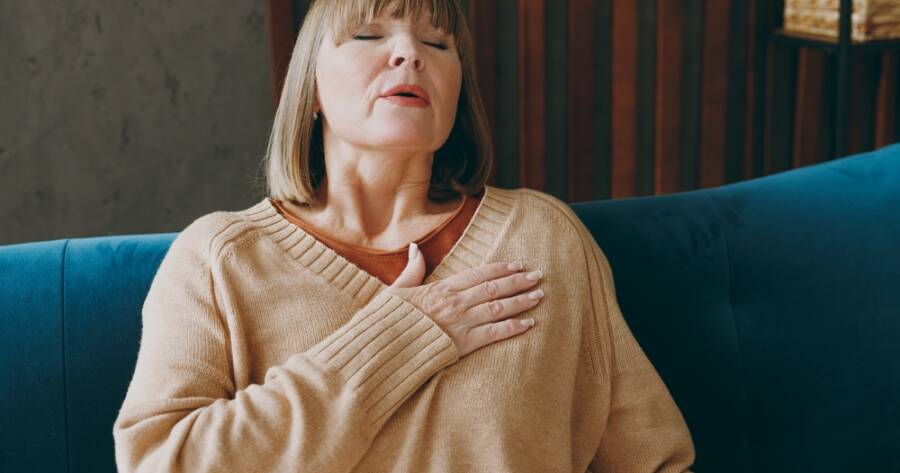
Heart disease remains the leading cause of death among women in the United States, yet awareness lags, with many failing to recognize early heart attack signs. The subtle and varied symptoms, such as chest pressure and unusual fatigue, can be mistaken for minor issues. Understanding important nuances is crucial for timely intervention and improved outcomes for women’s heart health.
Understanding Heart Disease in Women
Heart disease continues to be the leading cause of death among women in the United States, yet there’s a significant gap in awareness, with only about half of women recognizing this critical fact.
Unlike the dramatic portrayal often seen in media, women’s heart attack symptoms can present subtly and diversely, leading many to mistake them for less severe conditions like indigestion or anxiety. These symptoms include chest pain, shortness of breath, nausea, and discomfort in the neck, jaw, and arms, demonstrating the necessity for being attuned to these unique signs.
Recognizing Early Heart Attack Signs in Women
Recognizing early heart attack signs in women is crucial for timely intervention and better outcomes. Women often experience atypical symptoms that are less pronounced than those in men. Instead of severe chest pain, women might endure chest pressure, lightheadedness, or unusual fatigue without the classic symptoms.
Other potential indicators include nausea, shortness of breath, and discomfort in the jaw, neck, or back. This variance can cause confusion, leading many to delay seeking help, especially when these symptoms are confused with less critical health issues.
The Impact of Misinterpretation
Misinterpretation of symptoms can have severe consequences. Many women attribute heart attack symptoms to common ailments like acid reflux or flu, leading to critical delays in treatment.
Silent heart attacks can occur without the typical symptoms, making it imperative for women to be proactive in recognizing subtle body changes. Timely recognition and response are vital; calling 911 immediately if heart attack symptoms are suspected can be life-saving.
Prevention and Risk Factors
Prevention plays a critical role in managing heart disease risk. Women are advised to maintain a healthy lifestyle, which includes quitting smoking, engaging in regular exercise, and following a nutritious diet rich in fruits, vegetables, lean proteins, and whole grains.
Regular check-ups are also essential, helping to monitor risk factors such as diabetes, high blood pressure, and high cholesterol. Pregnancy-related complications can also increase heart disease risks, emphasizing the need for ongoing health assessments and proactive lifestyle adjustments.
Prompt Medical Intervention
The importance of immediate medical intervention cannot be overstated. Women often hesitate to seek help due to caregiving responsibilities or fear of inconvenience. However, recognizing potential heart attack symptoms, such as pain in the back, neck, or jaw, alongside other irregular signs, should prompt quick action.
Professional healthcare facilities like the Froedtert Hospital have been recognized for their excellence in cardiac care, highlighting the value of specialized treatment during a heart event. Calling an ambulance is recommended to ensure that patients receive necessary care in transit.
Learn More About Heart Disease in Women
Understanding heart disease in women and recognizing the early signs of a heart attack can save lives. Given the nuanced nature of symptoms and the tendency for misinterpretation, spreading awareness is crucial.
Women are encouraged to prioritize their heart health through preventive measures and stay informed about gender-specific symptoms. By adopting healthier lifestyles and scheduling regular health check-ups, they can significantly mitigate their risk of heart disease. Awareness and quick response can lead to improved survival rates, making education on this topic invaluable.
Sources
Heart Attack Symptoms and Warning Signs in Women
Heart Attack Symptoms in Women