

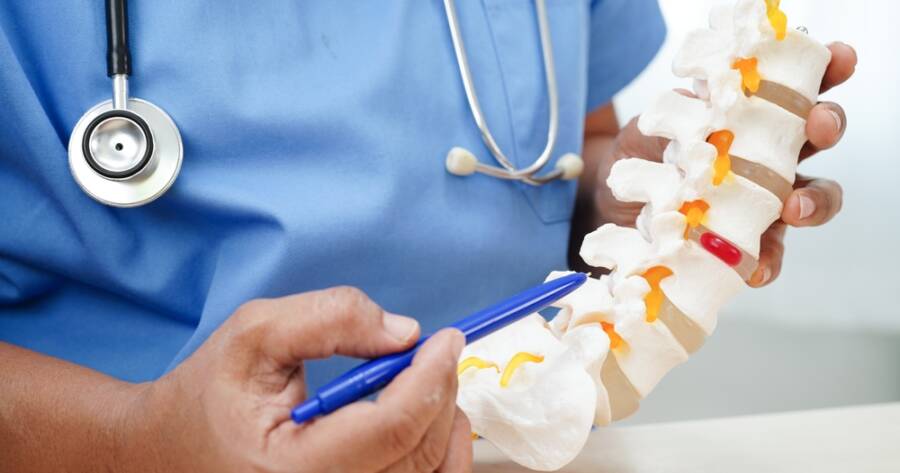
Spinal stenosis, a condition marked by the spine’s narrowing and associated nerve pressure, can significantly impact daily life with pain and mobility issues. Traditional treatments often fall short, but innovative minimally invasive techniques and regenerative therapies like stem cell treatments are emerging. Understand the advanced options for effective symptom management and enhanced quality of life.
Understanding Spinal Stenosis
Spinal stenosis is a medical condition characterized by the narrowing of spaces within the spine, leading to excessive pressure on nerves. This condition often results in significant discomfort and symptoms such as pain, weakness, numbness, and balance issues, primarily affecting the lower back and neck, causing considerable disruption to an individual’s daily life. The cause of spinal stenosis can vary, including factors such as aging, congenital spinal canal diameters, or degenerative changes within the spine.
Traditional Treatments and Their Limitations
Historically, the management of spinal stenosis involved conservative methods such as physical therapy, medications, and occasionally epidural steroid injections when those therapies proved inadequate as primary interventions. These traditional approaches sometimes fall short of providing long-term relief, prompting the need for surgical options. While surgeries like laminectomy or laminotomy have been effective, they come with risks of complications and may not always completely resolve symptoms, presenting significant trade-offs for patients.
Innovative Minimally Invasive Treatments
Recent advancements have paved the way for innovative treatments designed to minimize recovery time, reduce tissue damage, and increase success rates. Endoscopic spine surgery represents an ultra-minimally invasive treatment for spinal stenosis, offering precise decompression through a small incision, often less than one centimeter, with high precision. This technique is particularly beneficial for lumbar or cervical stenosis, offering faster patient recovery and reduced post-operative pain.
Other innovative surgical options include the Total Posterior Spine (TOPS) System, which preserves spinal motion while maintaining spinal stability compared to traditional fusion. This is particularly effective for degenerative stenosis issues, showing promising results where more conventional methods might not be sufficient alone.
The Role of Interspinous Devices and Stem Cell Therapy
Interspinous devices like the VertiFlex™ Superion™ spacer are minimally invasive solutions for lumbar stenosis, designed to maintain space between vertebrae and alleviate symptoms without requiring extensive surgery. These devices have the potential to protect against painful vertebral compression, particularly in patients for whom surgery poses substantial risks.
Stem cell therapy is an emerging field within spinal stenosis treatment, emphasizing the regeneration and healing of compressed nerves. This regenerative medicine approach promises relief by promoting new tissue growth in degenerated areas, offering a non-surgical option that could revolutionize how spinal stenosis symptoms are managed with potential breakthroughs.
Additional Non-Surgical Approaches
In addition to surgical innovations, non-surgical approaches like lifestyle changes and complementary medicine are gaining traction. Weight loss, targeted physical therapy exercises, and walking aids can significantly complement medical treatments, helping to manage symptoms effectively within a holistic care model. Moreover, alternative treatments such as chiropractic therapy, acupuncture, and massage therapy can offer symptomatic relief without invasive procedures.
Acupotomy is another innovative technique employing a needle-like instrument to relieve tension in the spinal canal’s surrounding tissues. This method has shown promise in relieving pain and related symptoms faster than traditional treatments, appealing to those seeking less invasive relief options for rapid pain management.
Why You Should Learn More About Innovative Treatments for Spinal Stenosis Today
As medical advancements continue to redefine spinal stenosis management, understanding these innovative treatments is crucial for patients seeking effective relief. With less invasive approaches such as endoscopic surgery, interspinous spacers, and regenerative therapies such as stem cell treatments showing promising results, patients have a broadened spectrum of options to explore.
Additionally, the integration of non-surgical methods and lifestyle adjustments provides a comprehensive approach to managing symptoms sustainably. By exploring these cutting-edge techniques, individuals can make informed choices that promote long-term health, minimal recovery time, and improved quality of life, positioning themselves at the forefront of spinal care.