

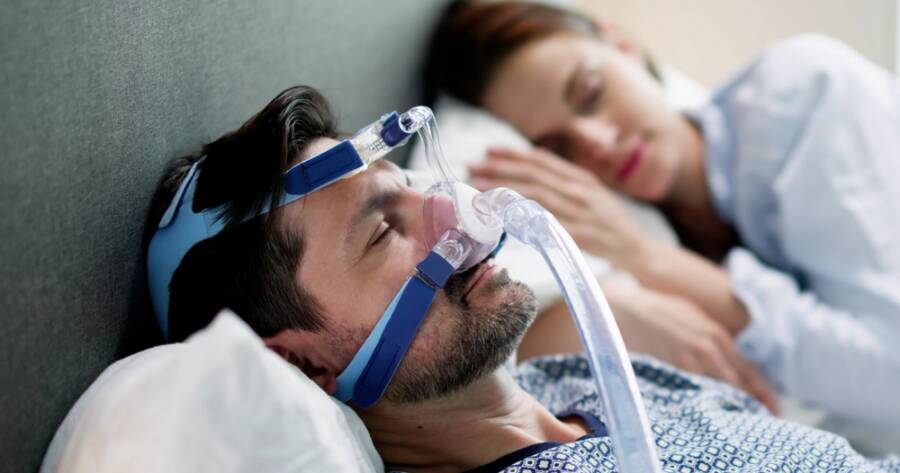
CPAP masks have changed significantly from the bulky, rigid designs many people still associate with sleep apnea treatment. Modern options use lighter frames, softer cushions, more flexible materials, quieter airflow systems, and easier fastening mechanisms. Top improvements can make nightly therapy feel less intrusive and help users find a mask that better suits their face, sleep position, and comfort preferences.
Why Comfort Became the Central Focus of CPAP Mask Design
Sleep apnea is a widespread condition, with obstructive sleep apnea affecting nearly 1 billion people worldwide, and an estimated 80% of those individuals remaining undiagnosed and untreated (source). For those who do receive a diagnosis and start treatment, sticking with it is a significant challenge. Long-term adherence to CPAP therapy sits at roughly 50%, and device comfort is among the most frequently cited barriers (source). These numbers pushed manufacturers to rethink mask design from the ground up, shifting priorities toward materials, weight, and the overall wearing experience.
For many years, the standard CPAP mask was associated with stiff frames, rigid plastic edges, and cushions that left marks on the face by morning. As patient feedback accumulated and clinical data highlighted the link between comfort and consistent use, engineers began exploring entirely new construction approaches. The result is a new generation of masks that feel noticeably different from earlier versions.
Lighter Frames That Feel Different on the Face
The frame of a CPAP mask serves a structural purpose, holding the cushion, headgear, and hosing connections together during the night. Traditionally, frames were made from harder plastics that held their shape well but pressed uncomfortably against the face, particularly for side sleepers. Modern frames are now typically constructed from pliable materials that move with the user, making them easier to wear and simpler to clean (source).
Reducing frame weight has also become a priority. A lighter frame creates less pressure on the nose and cheeks, which matters considerably during the six to eight hours a person spends wearing the device each night. Manufacturers have worked to minimize the amount of material in the frame without sacrificing the structural integrity needed to maintain a consistent seal throughout sleep.
Softer Cushion Materials Changing the Feel of Nightly Use
The cushion is the part of the mask that rests directly against the skin, making its material composition one of the most important factors in overall comfort. Cushions have historically been made from firm silicone that sometimes irritated skin or created pressure sores with extended use. Today, manufacturers offer cushions in silicone, gel, and foam varieties, with each material designed to conform more naturally to individual facial contours (source).
One example of material innovation is the introduction of fabric-covered cushion systems. ResMed introduced a fabric mask featuring breathable material coated over a silicone base, combining a comfortable surface feel with the durability needed for a reliable seal (source). Products like this are available in multiple cushion and frame sizes, allowing users to find a combination that matches their facial structure rather than adapting to a one-size approach.
Quieter Venting and Smarter Airflow Design
Noise has long been a concern for CPAP users and their bed partners. Older mask designs relied on vent systems that expelled air in ways that could create disruptive sounds during the night. Advances in vent engineering have produced diffused exhalation ports that redirect airflow away from sleeping partners while significantly reducing the audible noise associated with each breath cycle.
Improved hosing design also contributes to a quieter experience. Flexible tubing that moves naturally with the sleeper reduces the likelihood of air leaks at connection points, and leaks are a primary source of unexpected noise during use. Pressurized air travels from the CPAP device through the hosing and into the cushion, so hosing designed to flex and shift with the user’s movements helps maintain a consistent seal throughout the night (source). As a result, users are less likely to wake themselves or others due to equipment noise.
Quick-Release Fasteners and Adjustable Headgear
Headgear design has seen meaningful improvements alongside the mask itself. Getting a CPAP mask on and off used to involve working through multiple straps and buckles, which made nightly use feel like a chore. Magnetic clips and velcro fasteners now allow for fast and simple detachment, making the process of putting on and removing the mask much more straightforward (source).
Quick-release features are particularly useful for users who wake during the night or need to leave the bed briefly. Rather than wrestling with complicated hardware in a dark room, a simple motion detaches the mask cleanly. This kind of practical design improvement may seem small, but for nightly users, it contributes meaningfully to a more tolerable routine.
Headgear itself has also become more adjustable and less bulky. Thinner strap materials and refined attachment points distribute pressure more evenly across the head, reducing the tension that older designs sometimes created. Users with a range of head sizes and shapes now have better access to well-fitting options.
The Broader Impact of These Advances on Therapy Outcomes
The motivation behind all of these design changes connects back to a single goal: helping more people actually use CPAP therapy consistently. Industry professionals have noted that today’s machines and masks are substantially quieter and more comfortable than previous generations, which meaningfully reduces the barriers that once discouraged long-term use (source). When the equipment itself stops being the primary obstacle, users can focus on the benefits of treatment rather than the frustrations of wearing it.
Better mask technology also opens the door for people who previously gave up on CPAP due to discomfort. Someone who abandoned treatment years ago because of a rigid, leaky, or noisy mask may find that the current generation of products solves the specific problems that drove them away. The combination of lighter materials, improved cushion options, and easier-to-use fasteners creates a meaningfully different experience from what was available even a decade ago.
Why You Should Learn More About Today’s CPAP Mask Options
The evolution of CPAP mask design reflects a serious commitment to solving real problems that affect real patients every night. Lighter frames reduce facial pressure, softer cushions accommodate different skin sensitivities, quieter venting keeps the sleep environment peaceful, and quick-release fasteners make the nightly routine simpler to manage. Each of these improvements exists because adherence matters and discomfort has historically been a major reason people stop using their equipment.
Staying informed about what modern CPAP masks offer allows users and their healthcare providers to make better choices when selecting or upgrading equipment. Whether someone is new to therapy or reassessing older equipment, understanding the full range of current options is a valuable step toward better, more consistent sleep apnea treatment.