

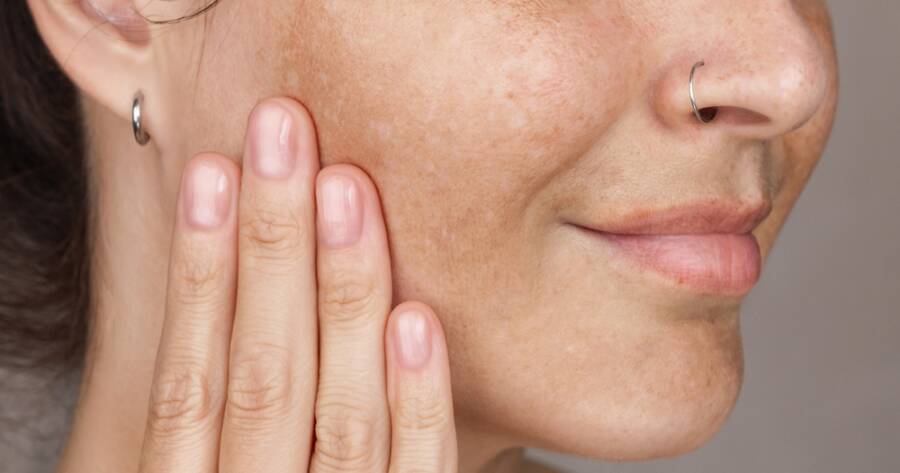
Dark spots, or hyperpigmentation, are a widespread skin issue affecting people of all skin tones, often resulting from factors such as sun exposure, hormonal changes, and medications. An understanding of underlying causes and available treatment options, ranging from topical solutions to advanced dermatological procedures, can support effective management and prevention, contributing to a clearer complexion and improved confidence.
What are Dark Spots?
Dark spots, medically known as hyperpigmentation, are a common skin concern that affects individuals of all skin tones. These spots occur when the skin produces excess melanin, the pigment responsible for skin color. Various factors can trigger this overproduction, including sun exposure, hormonal changes, and certain medications leading to different types of dark spots such as age spots, melasma, or diabetic dermopathy.
Common Causes of Dark Spots
Understanding the underlying causes is crucial for effective management and prevention. Dark spots can arise from a multitude of causes. Sun damage is one of the most prevalent, as UV rays stimulate melanin production, leading to age spots or sunspots. Hormonal changes, particularly during pregnancy or from birth control pills, can result in melasma, characterized by brown patches on the face.
Certain medications, such as those used for chemotherapy, can also cause hyperpigmentation as a side effect resulting in various types of dark spots. Additionally, skin injuries, inflammation, and conditions like acne can leave behind dark marks as they heal.
Effective Treatments for Dark Spots
Treating dark spots involves a combination of lifestyle changes, topical treatments, and dermatological procedures. Over-the-counter products containing ingredients like azelaic acid, glycolic acid, and vitamin C can help fade dark spots by slowing melanin production and promoting skin cell turnover to even out skin tone. Prescription treatments, such as retinoids, offer more potent solutions but may come with side effects like redness or dryness.
Advanced Dermatological Procedures
For more stubborn dark spots, dermatological procedures can provide effective solutions. Laser therapy and intense pulsed light treatments target melanin-producing cells without damaging the skin’s surface, often requiring multiple sessions for optimal results.
Cryotherapy, which involves applying liquid nitrogen to the spots, can lighten the skin as it heals, though it carries a risk of scarring or discoloration as a potential side effect. Chemical peels and microdermabrasion are other options that remove the top skin layers, promoting new, smoother skin growth.
Preventing Dark Spots
Prevention is key in managing dark spots. Regular use of broad-spectrum sunscreen with an SPF of at least 30 is essential to protect the skin from UV damage. Wearing protective clothing and avoiding sun exposure during peak hours can further reduce the risk of developing new spots. Additionally, treating underlying skin conditions like acne and using gentle skincare products can help maintain an even skin tone and prevent irritation.
Why You Should Learn More About Dark Spots Today
Dark spots, while often harmless, can be a source of cosmetic concern for many individuals. Understanding their causes and exploring effective treatment options can empower individuals to manage and prevent these skin imperfections. Consulting with a dermatologist can provide personalized advice and access to advanced treatments, ensuring that the chosen method is safe and effective. By taking proactive steps in skincare and sun protection, individuals can achieve a clearer, more even complexion and boost their confidence.