

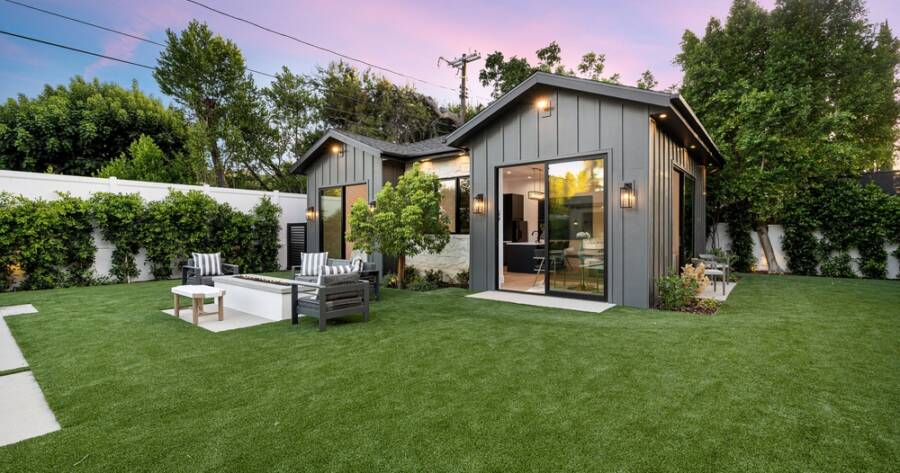
Granny pods, or accessory dwelling units, present an innovative solution for families seeking to care for aging parents while preserving their independence. The compact homes offer a blend of privacy and proximity, addressing housing shortages and evolving family dynamics. Understand the benefits, costs, legalities, and alternatives to make informed decisions about unique living arrangements.
Understanding Granny Pods for Aging Parents
Granny pods, also known as accessory dwelling units (ADUs) or MEDCottages, are compact, self-contained homes designed to accommodate older adults. These units are typically set up in the backyard, allowing seniors to live close to family while maintaining privacy and independence.
They include essential features such as a bedroom, kitchenette, and bathroom, and can be customized with safety features like nonslip flooring and medical alert systems (source). The concept has gained popularity due to the housing shortage and the changing dynamics of American households, offering a solution that facilitates multi-generational interaction and potentially increases property value (source).
Benefits and Drawbacks of Granny Pods
The benefits of granny pods are numerous. They provide increased companionship, access to family support, and a sense of security, privacy, and independence for seniors. Additionally, they can be more cost-effective than hiring private caregivers and may increase property value (source).
However, there are potential drawbacks to consider. High upfront costs, the need for permits and zoning approvals, limited living space, and ongoing maintenance costs are significant factors. Moreover, granny pods may not be suitable for seniors with high support needs, and they can affect homeowner’s insurance and property taxes (source).
Cost and Financing Options
The cost of installing a granny pod can range from $20,000 to $100,000 or more, depending on size, features, and location (source). This cost includes the pod itself, site preparation, and utility hookups.
Financing options include savings, home equity loans, and specialized financing programs for accessory dwelling units. MEDCottages, for example, range from $85,000 to $125,000, with a more affordable option available at $40,000 (source).
Legal and Zoning Considerations
The legality of installing a granny pod depends on local zoning laws and building approvals. These units are usually connected to the main home’s utilities, and homeowners must ensure compliance with local regulations, including homeowner association agreements and proximity to protected areas (source).
It’s crucial to plan for potential challenges, such as ensuring the space is wheelchair-friendly and determining who will cover modification costs (source).
Alternatives to Granny Pods
For families facing zoning or budget constraints, alternatives to granny pods include converting existing spaces like basements, garages, or spare rooms into guest suites with small kitchenettes. This option costs between $25,000 and $75,000 and can increase the home’s resale value (source).
Other alternatives include traditional tiny homes, moving in together with family, home care services, and assisted living communities, each with its own benefits and drawbacks depending on the senior’s needs and family circumstances (source).
Learn More About Backyard Living Solutions for Aging Parents
Exploring backyard living solutions like granny pods for aging parents offers a unique opportunity to provide care and companionship while maintaining independence. As the population ages and housing dynamics shift, these solutions become increasingly relevant.
Understanding the benefits, costs, and legal considerations can help families make informed decisions that best suit their needs and those of their aging loved ones. By considering all available options, families can create a supportive environment that enhances the quality of life for seniors while fostering closer family ties.