

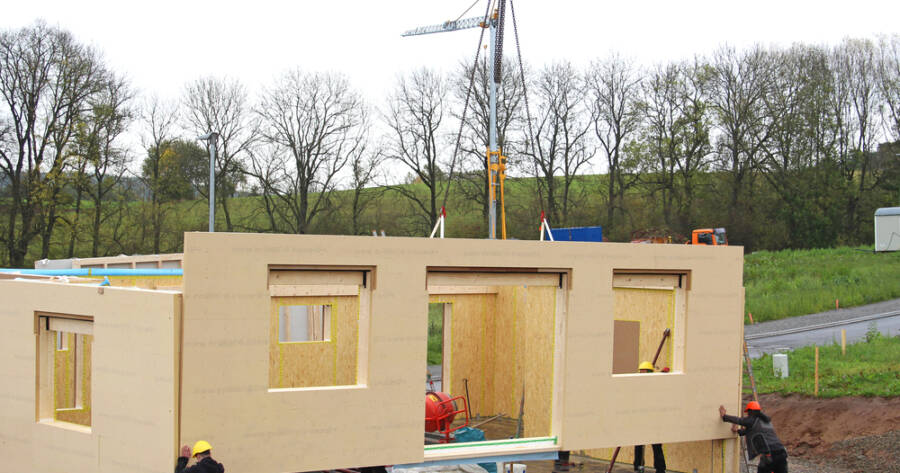
Prefab housing solutions present an affordable and eco-friendly option amid rising environmental concerns and housing costs. Many homes blend style with sustainability through modular designs, energy efficiency, and durable materials. While offering innovative living spaces tailored to various needs, challenges like zoning laws and financing must be navigated to fully leverage their potential.
Affordable and Eco-Friendly Prefab Housing Solutions
In recent years, the housing industry has experienced a significant shift toward sustainable and cost-effective living solutions. Prefabricated homes, often referred to as prefab homes, have emerged as a prominent choice for those looking to embrace environmental consciousness without compromising on style or quality.
These homes are cost-effective due to their factory-based construction, which significantly reduces both material waste and construction time. This process ensures that prefab homes often come at a lower price per square foot than traditional custom-built homes.
Sustainability in Prefab Housing
Prefab homes offer a sustainable housing solution through their streamlined construction processes. The factory-based approach not only minimizes material waste but also enhances energy efficiency. For instance, advanced insulation techniques and energy-efficient designs are inherent in prefab constructions, which help reduce the need for heating and cooling and minimize carbon emissions.
Companies like Dvele highlight products that support energy independence by integrating renewable energy systems such as solar panels that generate and store energy, making them self-sufficient and environmentally friendly.
The Role of Modular Designs
Modular designs are a key feature of prefab homes, providing flexibility and adaptability according to lifestyle changes. Ecokit, for instance, offers homes that can be expanded as needed, supporting evolving family needs without requiring extensive renovations.
This flexibility, coupled with the option of customizable kits, supports the idea of personalized sustainable living, where homeowners can opt for recycled materials or adjustable features like cladding and roofing to suit environmental considerations for eco-conscious living.
Durability and Efficiency of Prefab Homes
Prefab homes are designed to withstand environmental pressures due to the use of durable materials. This aspect is particularly beneficial for homes shipped over long distances, ensuring their structure remains intact and resilient against climate challenges.
The controlled factory environment allows for superior quality control, leading to homes that are not only quick to assemble but are also highly durable and efficient. These homes often incorporate high-performance materials and meet stringent safety and energy standards, thereby ensuring minimal environmental impact over time.
Biodiverse and Technologically Advanced Solutions
Incorporating innovative technologies and materials, companies like CleverHomes and Bamboo Living demonstrate how prefab homes can be both technologically advanced and eco-friendly. These homes integrate sustainable materials such as bamboo and feature designs that prioritize renewable energy generation. Through employing such technologies, prefab homes adapt to the needs of the modern environmentalist, showcasing the potential for luxury to meet sustainability.
Challenges and Considerations
Despite their many benefits, potential buyers of prefab homes must navigate several challenges, including the legal and logistical aspects, such as zoning laws and financing arrangements. Understanding these elements is crucial for homeowners seeking to implement alternative housing options without facing regulatory hurdles.
Prefab homes present opportunities for cost-effective, environmentally conscious living, though considerations like space limitations and compliance with zoning laws need to be addressed.
Learn More About Prefab Homes
Prefab homes provide a compelling solution for those looking to balance affordability with eco-conscious living. From advanced energy features to flexible modular designs, the prefab housing market offers innovative options tailored to diverse lifestyles and environmental ideals.
As housing costs and environmental concerns continue to rise, understanding the benefits and opportunities of prefab homes becomes increasingly important for prospective homebuyers. Embracing this modern approach supports sustainability and provides opportunities to explore personalized and efficient living spaces within a rapidly evolving housing industry.
Sources
Explore Sustainable Prefab Housing Options
Features of Eco-Friendly Prefab Homes
Advanced Prefab Homes for Modern Needs