

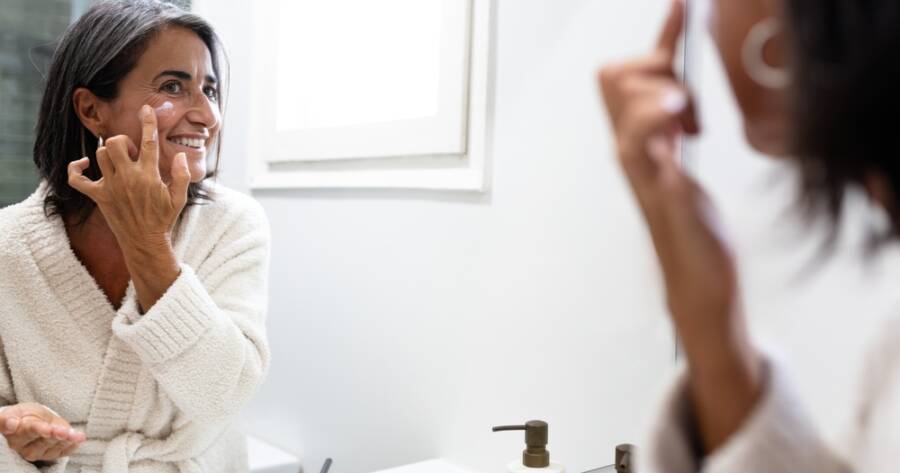
Wrinkle creams promise smoother, firmer skin, but results depend on what sits inside the formula. From collagen-supporting retinoids to gentle plant-based alternatives, ingredient quality shapes performance, tolerance, and long-term benefits. Knowing which components truly support skin renewal helps separate effective wrinkle creams from products that deliver little more than surface-level hydration over time for users.
The Best and Worst Wrinkle Tightening Creams: Top Ingredients
Wrinkle creams have become a staple in the skincare routines of many individuals seeking to maintain youthful, firm skin. The effectiveness of these creams largely depends on their ingredients, which can vary significantly between products. Understanding the best and worst wrinkle-tightening creams involves examining the key ingredients that contribute to their efficacy.
Dermatologists and beauty editors have tested and curated lists of top-performing wrinkle creams, highlighting both luxury and affordable options. Products like SkinMedica Age Defense Retinol Complex .25 and Neutrogena Rapid Wrinkle Repair Retinol Face Moisturizer are among the top choices, offering a range of options for different budgets and preferences (source).
Key Ingredients in Wrinkle Creams
The effectiveness of wrinkle creams is often attributed to their active ingredients. Retinoids are considered the gold standard for anti-aging due to their ability to boost cell turnover and collagen production. For those with sensitive skin or who are pregnant, alternatives like bakuchiol are recommended (source).
Other important ingredients include peptides, niacinamide, growth factors, and alpha hydroxy acids, which improve skin firmness, texture, and moisture retention. Additionally, vitamin C is a powerful antioxidant that brightens the skin and combats toxins that cause wrinkles and dark spots (source).
Evaluating the Best and Worst Creams
When evaluating wrinkle creams, it is crucial to consider the specific needs of different skin types. Lighter formulations are suggested for oily or acne-prone skin, while richer creams are better suited for dry or mature skin. This personalization ensures optimal results and minimizes potential irritation (source). The Good Housekeeping Institute Beauty Lab conducts rigorous testing on anti-aging products to determine their effectiveness in firming skin, providing a reliable source for evaluating the best and worst wrinkle-tightening creams (source).
Importance of Consistent Use and Sun Protection
While some wrinkle creams offer immediate hydration, visible reduction in wrinkles typically requires consistent use over 6 to 12 weeks (source). This underscores the importance of patience and regular application for achieving desired results.
Additionally, pairing wrinkle creams with sun protection is crucial to prevent further skin aging caused by UV exposure. SPF is highlighted as the most crucial anti-aging ingredient due to its ability to protect the skin from UV rays, which can cause skin cancer, dark spots, and other signs of aging (source).
Why You Should Learn More About Wrinkle Creams Today
Understanding the ingredients and effectiveness of wrinkle creams is essential for anyone looking to maintain youthful, firm skin. With a variety of products available, each tailored to different skin types and concerns, selecting the right wrinkle cream can significantly impact skin health and appearance.
By focusing on key ingredients like retinoids, peptides, and vitamin C, and ensuring consistent use and sun protection, individuals can achieve noticeable improvements in skin texture and firmness. Exploring the best and worst wrinkle-tightening creams can provide valuable insights into achieving desired skincare results.