

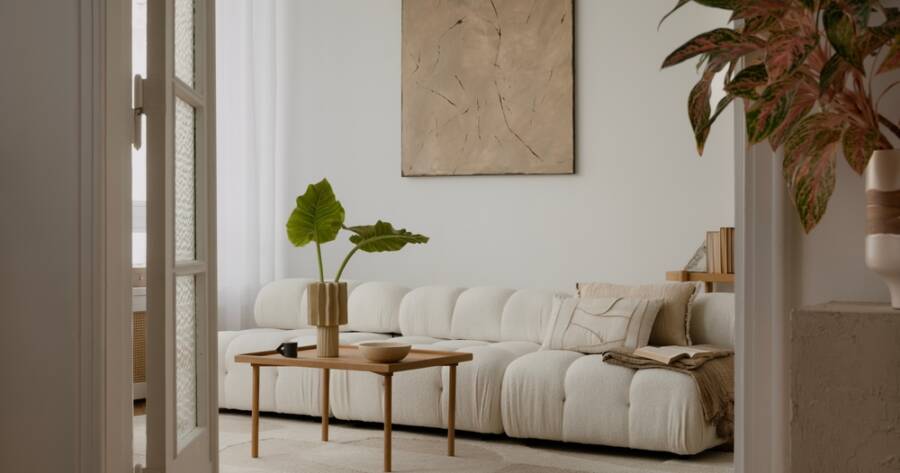
Luxury one-bedroom apartments are evolving as renter preferences, housing costs, and new development patterns reshape the U.S. rental market. Spacious layouts, modern amenities, and the financial challenges of homeownership are changing what many renters expect from an upscale apartment. At the same time, shifting construction trends are creating some surprising developments across the multifamily housing market.
A Market That Refuses to Slow Down
At a time when many predicted that a flood of new apartment inventory would soften demand and push renters toward lower price points, the opposite has been playing out across the United States. Luxury Class A apartments have maintained remarkably stable occupancy rates even as record numbers of new units have entered the market. According to recent multifamily data, Class A vacancy rose by only a fraction compared to more significant increases seen in Class B and Class C properties during the same period, despite construction activity hitting record highs (source).
What makes this trend so striking is the volume of supply entering the market simultaneously. The recent wave of apartment construction has begun to ease, but new supply remains substantial. Roughly 340,200 apartments were completed across the United States in the year ending in the second quarter of 2026, including about 77,700 units between April and June alone (source). Yet demand absorbed much of this supply without the dramatic vacancy spikes many analysts expected. That kind of resilience is difficult to ignore.
Why Renters Are Choosing Luxury Over Buying
The decision to rent a luxury one-bedroom rather than pursue homeownership is increasingly driven by economics. The gap between what a renter pays for a Class A apartment and what a typical monthly mortgage payment on a median-priced home would cost has widened meaningfully, making the math work strongly in favor of renting for many households (source). When luxury renting becomes more affordable than entry-level homeownership, the perceived trade-off between renting and owning shifts entirely.
Millennial renters in particular have become a defining force in this shift. High barriers to homeownership, from elevated mortgage rates to steep down payment requirements, are steering a large segment of this demographic toward high-end rentals as a long-term lifestyle choice rather than a temporary stepping stone (source). For many, the flexibility and quality of a luxury one-bedroom in a desirable location outweigh the financial and logistical demands of purchasing property.
The New Standard for One-Bedroom Luxury Units
What qualifies as a luxury apartment has changed considerably. Developers working in an environment of elevated land prices, tighter labor markets, and rising construction costs have responded by pushing projects upmarket to protect their returns (source). The result is a new generation of one-bedroom units that arrive with modern design, premium finishes, and extensive amenity packages as baseline expectations rather than premium upgrades.
Features that were once considered special perks, like fitness centers, coworking lounges, and smart-home technology, are now standard offerings in most new luxury developments (source). Renters entering the luxury market for the first time often find themselves surprised by how comprehensive the standard package has become. This has raised the competitive bar across the entire multifamily sector, forcing even mid-tier properties to rethink what they offer.
Geographically, the surge in new luxury development has concentrated in Sun Belt and high-growth metro areas including Texas, Florida, Arizona, and markets throughout the Southeast (source). These regions attracted a heavy share of development activity as population growth and lifestyle migration patterns created strong renter demand pipelines, particularly for well-appointed one-bedroom units suited to young professionals and remote workers.
One-Bedroom Apartments Are Getting Bigger
Another unexpected development in the luxury one-bedroom segment is the reversal of a decade-long trend toward smaller unit sizes. For years, apartment floor plans shrank steadily as developers prioritized density and cost efficiency. That trend has now reversed. The average one-bedroom apartment in the United States reached 735 square feet in 2024, growing year over year and reflecting a renewed investor appetite for more spacious, premium unit layouts (source).
The overall average apartment size across all unit types also climbed, reaching 908 square feet in 2024, reversing a prolonged pattern of floor plan compression (source). Certain markets have pushed even further. In Marietta, Georgia, for example, newly completed apartments averaged roughly 100 square feet more than comparable units built in the prior decade, representing one of the most dramatic size expansions among major U.S. cities (source). For renters prioritizing space alongside premium finishes, this upward shift is a welcome surprise.
The combined effect of larger footprints, elevated amenity standards, and competitive pricing relative to homeownership is creating a luxury one-bedroom market that feels genuinely different from what existed just a few years ago. The surprise is not just that demand has held strong — it is that the product itself has improved in ways that justify that demand.
Why You Should Learn More About 1 Bedroom Luxury Apartments Today
The one-bedroom luxury apartment sector is evolving faster than most renters and investors realize. Stronger renter demand, expanding unit sizes, and a new baseline of amenities have combined to produce a market segment that continues to outperform expectations.
For renters weighing the cost of homeownership against the lifestyle benefits of a modern luxury rental, the calculus has shifted in favor of renting in significant ways. For investors and developers, the resilience of Class A demand signals lasting structural shifts in how Americans choose to live. Understanding these dynamics provides a clearer picture of where the U.S. rental market is heading and why the luxury one-bedroom apartment has emerged as one of the most compelling stories in residential real estate today.