

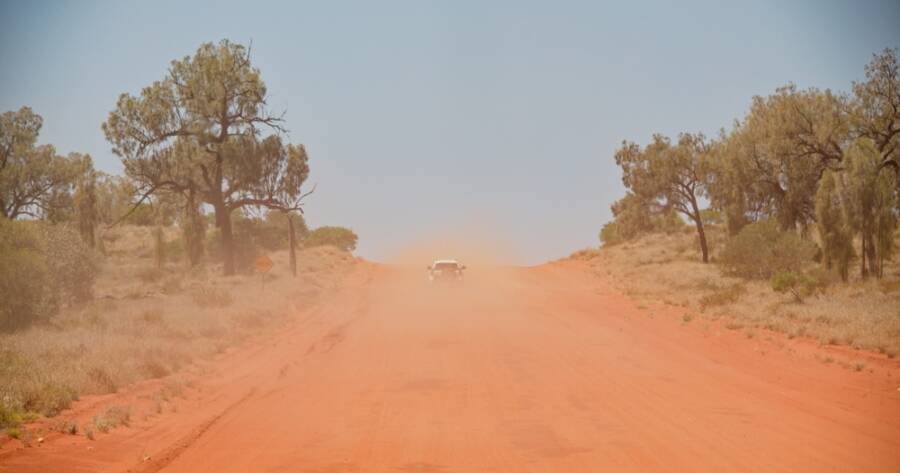
Mini jeeps bring a compact twist to off-road driving, combining small dimensions with trail-ready features and a lower entry cost than many full-size recreational vehicles. Depending on the model, buyers may find gas-powered engines, safety equipment, passenger seating, and customization options suited to everything from weekend recreation to light-duty use around private property.
What Makes a Mini Jeep Different From Other Off-Road Vehicles
Mini Jeeps are purpose-built for rugged terrain, featuring steel chassis construction, disc brakes, and bodywork that draws clear visual inspiration from classic military vehicles like the WWII Willys and the Scout. Despite their smaller footprint, they are engineered to handle serious outdoor conditions rather than smooth pavement.
Many commonly sold models rely on single-cylinder four-stroke engines, typically in the 125cc to 150cc displacement range, paired with chain drive systems and disc brakes at all four corners (source). That combination delivers responsive power and reliable stopping ability across a wide variety of surfaces. Mini jeeps are available with engines across a fairly broad displacement range, giving buyers enough power for recreational trail use while generally requiring less fuel than a full-size off-road vehicle (source).
Off-Road Performance and Terrain Capability
One of the strongest arguments for choosing a mini jeep is how well these vehicles perform on challenging ground. Four-wheel-drive systems direct power to every wheel simultaneously, boosting both traction and stability on unpredictable surfaces (source). Suspension articulation also plays a significant role—a chassis that can flex independently at each corner keeps all four tires planted when navigating rocks, ruts, or uneven hillsides.
Approach and departure angles determine how steep a slope a vehicle can tackle without scraping its body on the terrain. Mini jeeps designed with favorable angles in both directions handle dramatic elevation changes far more confidently than vehicles with lower ground clearance (source). Their durable steel frames are designed to withstand demanding off-road use, making them a practical starting point for adventure seekers who want real capability without a large upfront investment (source).
Safety Features Worth Knowing
Safety equipment on mini jeeps has matured considerably. Many mini jeeps include roll-bar protection designed to provide an added layer of safety if the vehicle tips or overturns during off-road use (source). Buyers should verify that any model under consideration includes either a protective roll hoop positioned above the rider’s helmet height or dual bars running along both sides of the cabin.
Additional safety essentials include lap belts or over-the-shoulder harnesses, four-corner braking, and a dedicated parking brake for use on slopes (source). For younger riders in particular, speed management features add another layer of protection. Three-speed transmission models allow adults to lock the machine in first gear, capping speed around 10 mph, while some models incorporate an adjustable throttle limiter for even finer speed control (source).
Practical Uses Beyond Recreation
Mini jeeps are not purely recreational machines. Their compact dimensions and terrain-handling ability make them genuinely useful for property work, farm operations, and hunting trips. Landowners use them to haul tools and supplies across large fields, navigate densely wooded hunting properties, and manage maintenance tasks on estates where a full-size vehicle would be impractical or overly expensive to operate (source).
Fuel efficiency is another practical advantage. Smaller displacement engines consume far less fuel per mile than their full-size counterparts, lowering the ongoing operating cost of regular use. When calculating the true value of ownership, prospective buyers should account for fuel expenses and routine maintenance alongside the purchase price itself (source).
Customization and Long-Term Value
A strong aftermarket parts ecosystem extends the useful life of a mini jeep far beyond its stock configuration. Owners can upgrade suspension components for more aggressive trail performance, mount off-road lighting for low-visibility conditions, or add roof racks to expand cargo capacity (source). The availability of these modifications means the vehicle can evolve alongside its owner’s growing ambitions without requiring a complete replacement purchase.
Pricing for most models currently sits in a range that positions mini jeeps well below the cost of full-size off-road vehicles, making the entry point accessible for a broad audience (source). That affordability, combined with customization potential, produces a compelling long-term value proposition for buyers who plan to use their vehicle regularly.
Regulations and Where Mini Jeeps Can Be Used
Prospective owners need to understand that mini jeeps are sold as off-road-only vehicles in the United States. Street registration is not an option under standard circumstances, and use is generally restricted to private land or designated off-road areas. California residents face additional limitations because most models have not received CARB approval, confining their use strictly to private property (source). Buyers in that state should specifically seek out EPA-approved models that carry CARB certification before making a purchase.
Checking local and state regulations before purchasing is always advisable. Rules governing off-road vehicle use, age requirements for riders, and helmet laws vary by jurisdiction, and understanding those requirements upfront prevents surprises after the vehicle arrives.
Choosing the Right Mini Jeep
Selecting the best model requires matching the vehicle’s specifications to the intended use rather than simply choosing based on engine size alone. Rider fit, seating configuration, and available safety features matter as much as horsepower when the vehicle will regularly carry passengers or younger riders. A two-person bench seat is standard on most models, but verifying harness quality and roll bar coverage is equally important before committing to a specific unit.
Budget planning should extend beyond the sticker price. Modifications, replacement parts, fuel, and ongoing maintenance all factor into the real cost of ownership (source). Buyers who account for those variables from the start tend to find more satisfaction with their purchase over time, rather than discovering hidden costs after the fact.
Why You Should Learn More About Mini Jeeps Today
Mini jeeps occupy a genuinely versatile position in the powersports market—capable enough for serious trail riding, practical enough for farm and property work, and affordable enough to serve as an accessible entry point into off-road adventures. Their combination of durable construction, meaningful safety equipment, and customization potential makes them suitable for a wide range of riders and use cases across the United States.
Whether the priority is weekend recreation, everyday land management, or introducing younger family members to off-road driving in a controlled setting, mini jeeps consistently deliver strong value relative to their cost. Understanding the full range of specifications, safety features, and regulatory requirements available in this category positions any buyer to make a confident, well-informed decision.