

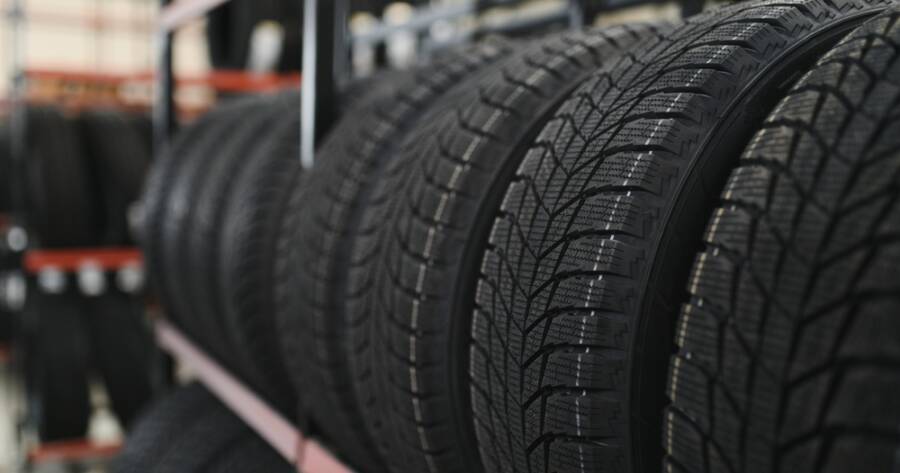
Not every tire brand delivers what it promises, and with so many options flooding the market, narrowing down the choices that genuinely perform matters. Three tire brands have consistently risen above the rest — here’s what makes them stand out.
Why Tire Brand Choice Goes Beyond Price
Choosing a tire brand is rarely as simple as picking the lowest price on the shelf. Tires are the only point of contact between a vehicle and the road, meaning their performance directly influences braking distances, handling in wet or icy conditions, and overall safety. Despite this, many drivers still buy on cost alone, leaving real performance on the table.
Independent testing organizations and automotive publications put tires through rigorous evaluations across dry pavement, rain-soaked roads, and snow-covered surfaces. When those results are examined closely, only a handful of brands consistently rise to the top. The data points to three names worth spending money on: Pirelli, Michelin, and Bridgestone.
Pirelli: Dry Road Dominance With Well-Rounded Capability
Pirelli has long been associated with performance driving, and independent testing backs up that reputation. In a competitive evaluation of leading all-weather tires, the Pirelli Cinturato WeatherActive posted the strongest dry performance scores of any tire in the test group (source). That kind of result matters enormously for everyday drivers who spend the majority of their time on dry roads, regardless of season.
What makes Pirelli particularly compelling is that its strength is not narrowly focused. The Cinturato WeatherActive also earned a second-place finish in wet conditions, demonstrating that its engineering extends well beyond a single performance category (source). In a category where tires often sacrifice wet capability for dry grip or vice versa, this kind of balance is a meaningful achievement. For drivers who value confident handling year-round without switching to dedicated seasonal tires, Pirelli earns serious consideration.
Michelin: The Brand That Leads in Both Wet Performance and Industry Rankings
Michelin’s reputation sits at the very top of the industry, and the test data supports that status consistently. In an independent brand evaluation conducted by Consumer Reports in 2024, Michelin earned the number one ranking among all tire brands tested — a position derived from evaluating multiple tire models across various categories (source). Earning that distinction requires sustained performance across a wide range of conditions and tire types, not just a single standout product.
Head-to-head tire testing reinforces those rankings further. The Michelin CrossClimate2 took first place in every objective wet test category during competitive evaluation, outperforming all rivals when roads became rain-soaked (source). For drivers who live in climates with significant rainfall, or who routinely encounter unpredictable weather, Michelin’s wet-road advantage is a compelling reason to invest. And while Michelin products can carry a higher price tag than some competitors, the difference between a full set of Michelin tires and lower-ranked alternatives is often smaller than expected (source).
Bridgestone: The Winter and Snow Performance Leader
When roads turn slippery and snow-covered, Bridgestone steps into a category of its own. Comparative tire testing found that the Bridgestone WeatherPeak outperformed the field in every major snow performance metric — it recorded the fastest acceleration on snow, completed a snow-covered autocourse faster than any competitor, and achieved the shortest stopping distance from 30 mph in snowy conditions (source).
Those numbers are not marginal differences. Stopping distance and acceleration control on snow are directly tied to accident prevention, making Bridgestone’s performance lead genuinely significant for drivers in northern states, mountainous regions, or anywhere that winter conditions are a seasonal reality. Bridgestone’s engineering focus on cold-weather traction provides a concrete safety advantage that many tire brands simply cannot match. For households that want a single tire capable of handling winter conditions without sacrificing year-round usability, Bridgestone is a standout option.
Continental: An Honorable Mention Worth Noting
While the three brands above represent the clearest performance cases, Continental also deserves attention. Consumer Reports placed Continental at the number two spot in its 2024 tire brand rankings, just behind Michelin (source). That kind of consistent showing across diverse tire categories signals a brand with strong engineering across its product lineup. For drivers who cannot find the right Michelin, Pirelli, or Bridgestone fitment for their vehicle, Continental represents a trustworthy alternative backed by hard data.
How the Rankings Are Determined
Understanding what goes into tire rankings helps drivers appreciate why certain brands earn their top positions. Organizations like Consumer Reports develop brand scores by pulling data from independent tests across multiple tire models and categories — not just one flagship product (source). This means a brand’s ranking reflects its entire portfolio’s reliability and performance, making top-ranked brands consistently safer bets regardless of which specific model a driver selects.
Automotive publications like Car and Driver complement this by conducting hands-on, real-world testing on dry, wet, and snow-covered road surfaces (source). The combination of laboratory-style independent analysis and on-road performance data creates a reliable picture of which brands genuinely deliver and which rely primarily on marketing. When both evaluation methods point to the same names, that convergence carries real weight for consumers making a significant purchasing decision.
Why You Should Learn More About Top Tire Brands Today
The tire market is filled with options, but independent testing and data-driven brand rankings consistently point to the same names at the top. Pirelli, Michelin, and Bridgestone have each demonstrated clear, measurable advantages in specific performance categories — dry handling, wet braking, and snow traction respectively — while also maintaining well-rounded capability that makes them trustworthy across varying road conditions. Whether a driver lives somewhere with harsh winters, heavy rainfall, or mostly dry highways, one of these three brands addresses their needs directly. Understanding what the data actually shows, rather than relying on marketing alone, empowers drivers to make tire investments that genuinely enhance safety and vehicle performance for years to come.