

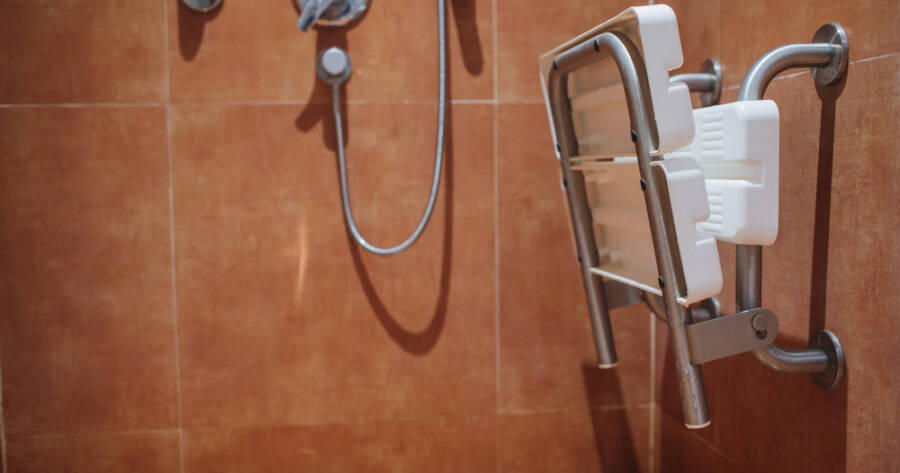
For seniors living alone, the bathroom presents real daily risks — but a few well-chosen shower gadgets can transform a potentially hazardous space into one that feels secure, comfortable, and confidence-inspiring.
Why Bathroom Safety Matters for Seniors Living Alone
Each year, approximately 3 million older adults visit emergency rooms across the United States as a result of fall-related injuries (source). What makes this statistic particularly striking is where many of those falls originate: an estimated 80% of in-home falls happen specifically in the bathroom (source). Wet surfaces, tight spaces, and the physical demands of bathing all combine to create an environment where even a momentarily unsteady step can lead to a serious injury.
For older adults who live on their own, the stakes are even higher. Without someone nearby to help, a fall in the shower can quickly become a medical emergency. The reassuring reality is that targeted, practical safety tools exist that address the most common bathroom hazards — and adopting even a few of them can make a meaningful difference in daily life.
Grab Bars: The Foundation of Shower Safety
Among all the safety modifications available to seniors, grab bars consistently stand out as one of the most impactful. Both the CDC and medical experts at UCLA Health identify grab bars as a critical installation for reducing fall hazards near the shower, tub, and toilet (source). These sturdy, wall-mounted handles give seniors a reliable point of support when stepping into or out of the shower, adjusting position, or simply maintaining balance on slippery surfaces.
Proper placement matters enormously. Bars installed at a height that allows natural gripping while entering or exiting the shower provide the most functional benefit. Suction-cup versions exist for those who cannot make permanent modifications to their bathroom walls, though professionally installed, wall-anchored bars typically offer superior stability. For seniors living alone, this single addition to the shower area can substantially lower the risk of a loss-of-balance incident becoming a fall.
Non-Slip Mats and Strips: Traction Where It Counts
Water and smooth surfaces are a dangerous combination, and the floor of a shower or bathtub is often the most treacherous spot in the home for an older adult. Non-slip rubber mats represent an essential fall-prevention measure specifically recommended for seniors in the bathroom (source). Placed inside the shower or tub basin, these mats create friction underfoot that dramatically reduces slipping, even when soap residue or shampoo makes the floor extra slick.
For surfaces where a full mat is impractical, self-stick strips applied directly to the floor of the tub or shower serve as a key safety adaptation to help seniors maintain footing on wet surfaces (source). These adhesive strips adhere to the floor and provide targeted grip in the highest-risk zones. Together, mats and strips form a low-cost, high-impact layer of protection that works around the clock without any effort on the part of the user.
Shower Chairs and Medical Alert Devices: Comfort and Emergency Readiness
A shower chair addresses one of the most overlooked hazards in the bathroom: fatigue. Bathing while standing requires sustained balance and physical effort — both of which can become more challenging with age. Sitting down on a shower chair when feeling unsteady while bathing is a recommended safety strategy for seniors (source). Beyond moments of dizziness or weakness, a shower chair also reduces the overall physical strain of showering, making the daily routine safer and more sustainable for seniors who live independently.
No matter how well a bathroom is equipped, the unexpected can still occur. That is why keeping a phone or medical alert device within arm’s reach any time a senior is using the bathroom is recognized as a key safety measure (source). Medical alert devices, in particular, are designed to let older adults call for help quickly — even if they are unable to reach a phone or speak clearly. Worn as a wristband or pendant, these devices can be brought directly into the shower area, ensuring that assistance is always accessible when it matters most.
Combining a shower chair with a medical alert device creates a powerful safety pairing: one prevents falls by reducing physical strain, while the other provides an emergency lifeline if something does go wrong. For seniors living without a household companion, this combination addresses both the physical and practical sides of solo bathroom safety.
Putting All Three Gadgets Together
Each of the three gadgets — grab bars, non-slip mats or strips, and the combination of a shower chair with a medical alert device — addresses a distinct type of risk. Grab bars counteract balance loss during movement. Non-slip surfaces eliminate the traction gap between wet floors and bare feet. Shower chairs minimize the demands of sustained standing, and medical alert devices ensure help is always within reach. When all three are in place, they form an interconnected safety system that is far more effective than any single measure alone.
Seniors, family members, and caregivers who take a systematic approach to identifying and addressing home hazards will find that these relatively simple gadgets deliver significant peace of mind (source). The bathroom does not have to be the most dangerous room in the house — with the right tools in place, it can become one of the safest.
Why You Should Learn More About Shower Safety for Seniors Today
Understanding the risks older adults face in the bathroom is the first step toward meaningful prevention. Grab bars, non-slip mats and strips, shower chairs, and medical alert devices are not luxury additions — they are practical tools backed by medical and public health experts that address real, documented hazards. For seniors living alone, investing in these three categories of shower gadgets represents one of the most straightforward ways to protect long-term independence and well-being. Exploring the full range of available products, understanding proper installation practices, and consulting with healthcare providers about individual mobility needs can help seniors and their families make the most informed decisions possible. Bathroom safety is not a one-time fix — it is an ongoing commitment to maintaining a safe and supportive home environment.