

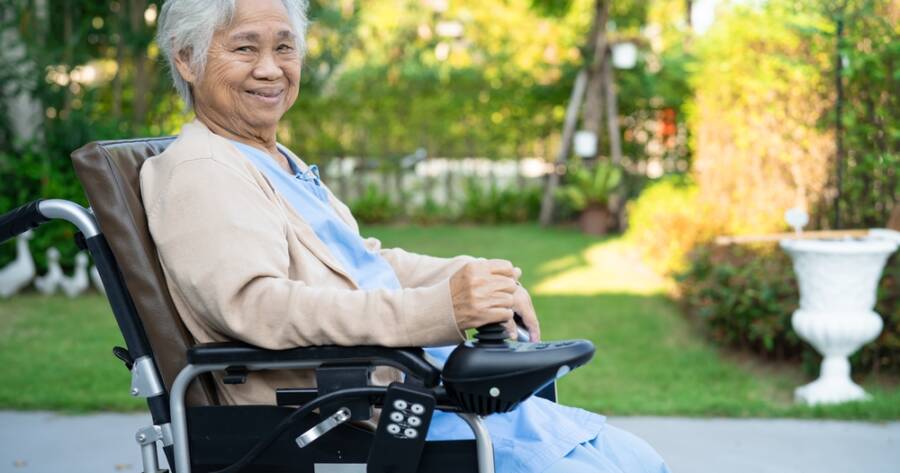
For seniors living alone, maintaining independence requires more than determination — the right mobility gadgets can make everyday tasks safer, easier, and far less frustrating. Fortunately, several tools stand out for their practical impact on daily life.
Why Mobility Matters for Seniors Living Alone
Losing the ability to move freely affects far more than physical health. When older adults become physically dependent on others for basic tasks, self-esteem often takes a serious hit, and a sense of personal autonomy can quietly erode. As CarePatrol points out, “Becoming physically dependent on others could damage self-esteem, hinder independence, and destroy self-reliance” (source). Fortunately, a growing range of assistive tools now gives seniors living without daily in-person support a meaningful way to stay active, safe, and confident in their own homes.
The three mobility gadgets discussed here are not just popular — they address real, specific challenges that seniors face when navigating their homes and communities solo. Each one is designed to fill a different gap, from reaching objects on the floor to traveling distances that walking alone cannot comfortably cover.
1) The Reacher Grabber: A Simple Tool With Major Benefits
One of the most overlooked yet highly effective mobility aids is the reacher grabber. This assistive tool works much like an extension of the human hand, allowing seniors to pick up dropped items, retrieve objects from shelves, and avoid risky bending or stretching movements that could lead to falls. It is particularly well-suited for older adults recovering from surgery, managing arthritis, or dealing with limited range of motion in their arms or back (source).
For a senior living alone, the value of a reacher grabber is especially clear. Without someone nearby to help retrieve a fallen remote, a dropped phone, or an item stored out of reach, the temptation is to stretch or bend in ways that could cause injury. A reacher grabber eliminates that risk entirely with a lightweight, affordable device that requires no training to use effectively. It is a low-tech solution that delivers high-impact results in daily life.
2) Mobility Scooters: Freedom for Greater Distances
Seniors who experience fatigue quickly or need to travel distances beyond what walking allows can benefit enormously from a mobility scooter. These powered devices offer a level of independence and dignity that makes routine outings — grocery trips, neighborhood walks, or visits to community centers — feel manageable again. They are practical for both indoor and outdoor use, making them a versatile addition to a senior’s daily routine (source).
Compared to power wheelchairs, mobility scooters typically offer faster speeds and longer battery life, meaning seniors can travel considerable distances before needing to recharge (source). For a senior living alone, this translates directly into the ability to run errands, stay socially connected, and participate in outdoor activities without relying on another person for transportation. That kind of sustained independence is difficult to overstate in terms of its effect on mental and emotional well-being.
3) Bed and Chair Fall Guards: Alerts That Protect Around the Clock
Falls that occur when getting in or out of bed or a chair are among the most common and dangerous incidents for seniors living alone. A bed and chair fall guard addresses this risk directly. The moment a senior with mobility concerns falls or unexpectedly leaves their bed or chair, this assistive device sends an immediate alert to a designated caregiver (source). This kind of real-time notification can be lifesaving, particularly when no one else is physically present in the home.
What makes this gadget especially valuable for solo seniors is its passive nature — it works without requiring the senior to do anything. Unlike a button that must be pressed or a phone that must be found, the fall guard monitors automatically. This removes a layer of cognitive burden from the senior and provides continuous protection even during rest periods. For family members and caregivers managing care remotely, this technology also provides peace of mind that active monitoring is happening even when they cannot be present.
Choosing Tools That Match Daily Needs
Not every mobility gadget is the right fit for every senior. The best approach involves matching the tool to the specific challenges a senior faces in their daily routine. Someone who spends most of their time at home and frequently bends or reaches will get tremendous value from a reacher grabber. A senior who wants to remain active in their community despite physical fatigue may find that a mobility scooter restores a sense of freedom that other aids cannot provide. Meanwhile, those at elevated fall risk during nighttime or early morning routines stand to benefit most from a bed and chair fall guard.
In many cases, more than one of these tools may be appropriate. Seniors and their families are encouraged to assess which daily activities carry the most risk or require the most assistance — and then consider whether any of these three gadgets can address those specific moments. The goal is not just safety, but a fuller, more confident daily life.
Why You Should Learn More About Mobility Gadgets for Seniors Today
Mobility gadgets for seniors have evolved significantly, moving well beyond simple canes and walkers to include smart, functional tools designed for real independence. The reacher grabber, mobility scooter, and bed and chair fall guard each serve a distinct purpose, yet all three share a common outcome: they empower seniors living alone to take on daily life with greater confidence and less dependence on others.
Seniors, family members, and caregivers who take time to explore these options often discover that maintaining independence at home is far more achievable than it may initially appear. Understanding what tools are available — and how they work in real-world settings — is an important step toward building a safer, more fulfilling life for older adults who prefer to remain in their own homes.