

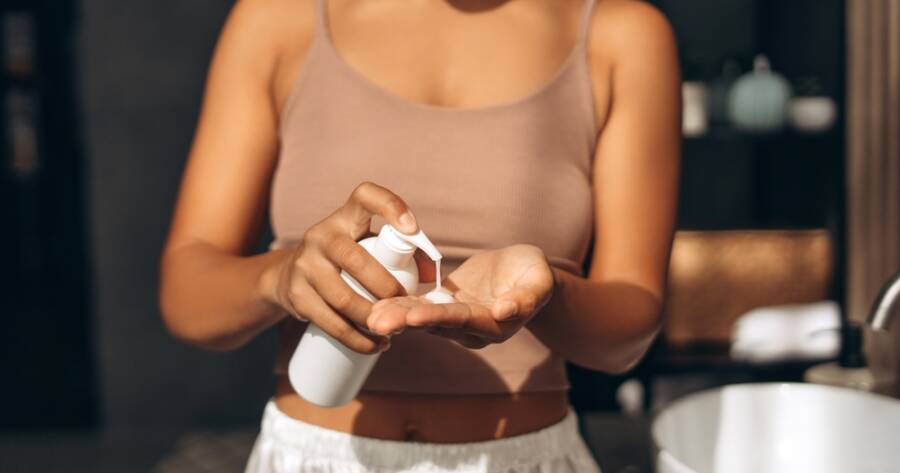
Crepey skin is one of the most common concerns as the body ages, and choosing the right body lotion can make a meaningful difference. Dermatologists point to specific ingredients that genuinely help restore moisture, elasticity, and texture to thinning, crepe-like skin.
What Causes Crepey Skin in the First Place
Before selecting a body lotion, it helps to understand what drives crepey skin. The primary culprit is sun exposure — UV rays actively break down collagen and elastin fibers in the skin, and once those structural proteins are damaged, the skin becomes looser, thinner, and prone to wrinkling (source). Over time, repeated exposure without protection compounds this degradation until the skin loses its ability to fully recover.
Sun damage aside, the natural aging process also reduces the skin’s capacity to retain moisture and produce fresh collagen. This combination of depleted structural support and reduced hydration is what gives skin that soft, crinkled, crepe-paper appearance. While crepey skin typically begins to show up in a person’s 40s, it can appear far earlier in those who frequently use tanning beds or have experienced significant weight fluctuations (source).
The Ingredients Dermatologists Prioritize
Not every moisturizer is equipped to address the structural changes behind crepey skin. Dermatologists consistently point to a core set of active ingredients that do more than just hydrate the surface — they work at a cellular level to support skin renewal and firmness.
Retinol tops nearly every expert recommendation. Topical retinol creams actively work to restore elasticity and support the thickening of both collagen and elastin, giving aging skin more structure and stretch (source). Board-certified dermatologist Dendy Engleman, MD, echoes this, advising people to “look for something with a retinoid; this helps restore the skin’s elasticity and accelerate collagen production” (source).
Alpha hydroxy acids — including glycolic acid and lactic acid — are another category dermatologists recommend for crepey skin. These AHAs promote cell turnover and encourage both collagen and elastin production while smoothing out rough, uneven texture (source). Cleveland Clinic dermatologists also note that formulas containing salicylic acid, lactic acid, or glycolic acid can lubricate and plump skin, making them especially useful for body application (source).
Peptides are another well-regarded option. They help improve skin elasticity at the structural level and serve as an effective complement to retinoids in any anti-aging skincare routine (source).
The Role of Hydration in Treating Crepey Skin
Hydration is central to any strategy for improving the look and feel of crepey skin. Hyaluronic acid is one of the most effective moisturizing agents available because of its exceptional ability to draw and hold moisture in the skin. Regular use of body lotions containing hyaluronic acid can increase skin moisture and visibly improve its appearance, particularly on areas like the arms and legs that are often overlooked in daily skincare routines (source).
High concentrations of hyaluronic acid are especially effective when combined with other active ingredients. Products that pair it with retinol or AHAs provide both immediate hydration and longer-term skin renewal support. Dermatologist Dendy Engleman, MD, identifies hyaluronic acid as a key secondary ingredient that plumps and hydrates skin while other actives get to work on elasticity and texture (source).
Body oils that contain moisturizing actives are also worth considering for people who prefer a different texture or need richer hydration during drier seasons. The key is consistent application and selecting formulas that match the skin’s specific needs.
Sun Protection Works Alongside Lotion
Even the most carefully formulated body lotion will have limited long-term effectiveness if daily sun protection is not part of the routine. Several active ingredients commonly found in crepey skin treatments — including retinol, AHAs, and salicylic acid — can increase the skin’s sensitivity to UV exposure. For that reason, applying a broad-spectrum product with SPF 30 or higher to exposed areas of the body is considered essential by dermatologists (source). Without that protection, UV rays will continue to break down elastin and collagen, working against the very repairs the lotion is trying to support.
When Topical Treatments Are Not Enough
Body lotions and creams can meaningfully reduce the appearance of crepey skin, especially when they contain proven active ingredients and are applied consistently. However, topical treatments have limits. For individuals seeking more dramatic improvement, dermatologists offer in-office procedures including laser resurfacing, microneedling, and radiofrequency treatments, all of which can tighten and rejuvenate the skin for a noticeably smoother texture (source).
That said, dermatologists emphasize that moisturizing creams and body lotions with the right active ingredients are a practical, accessible first step for most people. The combination of retinoids, AHAs, peptides, and hyaluronic acid delivers measurable results over time for many patients managing crepey skin on the arms, legs, and other parts of the body.
Why You Should Learn More About Body Lotions for Crepey Aging Skin
Crepey aging skin is something many people experience, but few realize how much targeted skincare can help. Dermatologists are clear: the right body lotion, used consistently and containing ingredients like retinol, hyaluronic acid, AHAs, and peptides, can restore visible moisture and elasticity to thinning skin. Understanding the science behind these ingredients helps consumers make more informed choices rather than relying on marketing alone. Pairing an effective body lotion with daily SPF protection addresses both the treatment and prevention sides of the equation. For those whose concerns run deeper, professional in-office options remain available. Regardless of where someone starts, learning more about the active ingredients dermatologists trust most is the first step toward healthier, more resilient skin at any age.