

Managing blood pressure through daily habits doesn’t have to feel complicated. The right beverages, chosen wisely and consumed consistently, can play a meaningful role in supporting heart health — especially for seniors navigating the challenges of hypertension.
Why Daily Drink Choices Matter for Blood Pressure
For seniors managing high blood pressure, what ends up in a glass each day matters more than many people realize. Cardiologists and nutrition researchers have increasingly focused on how specific beverages interact with the cardiovascular system, and the evidence points to some clear favorites. Rather than relying solely on medications, dietary approaches — including beverage selection — serve as a complementary strategy that can make a measurable difference over time.
The clinically validated DASH eating plan, developed to specifically target hypertension, emphasizes selecting drinks and foods that are rich in potassium, calcium, magnesium, fiber, and protein (source). These nutrients collectively support the body’s ability to regulate blood pressure, and many of the best beverage choices for seniors deliver them naturally.
Top Beverages That Cardiologists Recommend for Seniors
Water
Water remains the most fundamental drink for overall cardiovascular health. Staying properly hydrated helps the heart pump blood efficiently and supports kidney function, which directly influences blood pressure regulation. Seniors are particularly prone to dehydration, making consistent water intake a daily priority that is easy to overlook but critical to maintain.
Hibiscus Tea
Hibiscus tea has drawn attention in recent research as a naturally powerful option. Drinking just two cups of hibiscus tea daily has been shown in studies to contribute to lower blood pressure readings, though anyone already taking blood pressure medications should consult a physician before adding it regularly, as interactions are possible (source). The deep red beverage is rich in antioxidants and can be enjoyed hot or cold, making it an accessible daily choice.
Beet Juice
Beet juice is another option backed by compelling evidence. The nitrates found naturally in beets have been shown through multiple studies to produce significant reductions in both systolic and diastolic blood pressure readings (source). Even small daily servings can contribute to a measurable positive effect, and beet juice is widely available in grocery stores or can be prepared at home with a juicer.
Pomegranate Juice
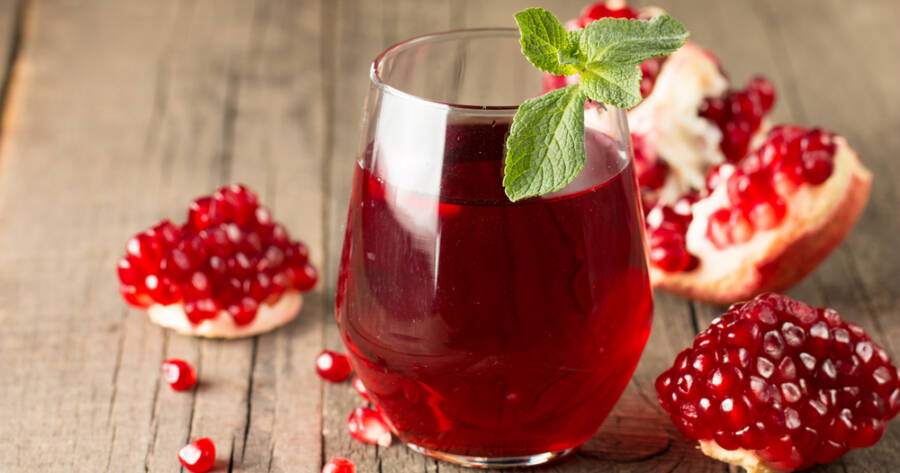
Pomegranate juice rounds out the short list of fruit-based beverages with meaningful evidence behind them. Like hibiscus and beet juice, pomegranate juice contains compounds that support arterial health and may contribute to healthier blood pressure levels over time. Seniors choosing fruit juices should look for varieties without added sugars, since excess sugar can counteract cardiovascular benefits.
Milk (Low-Fat)
Low-fat milk also deserves a place in the conversation. Dairy products that are low in fat provide calcium and other nutrients that, when paired with regular physical activity and a heart-conscious diet, may support healthy blood pressure levels (source). For seniors who are lactose intolerant, fortified plant-based alternatives can offer similar nutritional profiles.
What Seniors Should Limit or Avoid
Understanding which beverages to reduce is just as important as knowing which ones to add. The DASH eating plan specifically recommends limiting sugar-sweetened beverages and sweets, as excess sugar contributes to weight gain and metabolic strain that can elevate blood pressure over time (source).
Alcohol consumption deserves particular attention for seniors. Exceeding one alcoholic drink per day for women or two per day for men has been linked to elevated blood pressure and can also reduce how effectively blood pressure medications work in the body (source). For seniors already managing hypertension, reducing alcohol intake is one of the most direct adjustments available.
Sodium intake, which is often influenced by beverages like certain sports drinks or processed drink mixes, is another key factor. The DASH eating plan recommends keeping sodium at or below 2,300 mg per day, with research indicating that dropping to 1,500 mg daily produces even greater reductions in blood pressure (source).
Building a Heart-Healthy Daily Routine
No single beverage acts as a cure-all, but consistency across multiple healthy choices creates a cumulative effect that cardiologists recognize as genuinely impactful. Pairing the right drinks with a balanced diet — one that reflects DASH principles by emphasizing fish, poultry, beans, nuts, and healthy oils — gives seniors the strongest foundation for managing blood pressure naturally (source).
Seniors benefit most when beverage choices are treated as part of a broader lifestyle approach rather than isolated fixes. Discussing any new dietary changes with a cardiologist or primary care physician ensures that individual health conditions, medications, and nutritional needs are properly accounted for. What works well for one person may need to be adjusted for another, particularly when medications are already in play.
Learn More About Blood Pressure Management
Blood pressure management is a lifelong effort, and the daily choices seniors make around hydration and diet carry real weight. From the nitrate-rich properties of beet juice to the heart-supporting nutrients in low-fat dairy, the beverages consumed each day can either help or hinder cardiovascular health. Understanding what cardiologists recommend — and why certain drinks outperform others — empowers seniors and their families to make smarter, more confident decisions.
Staying informed about evidence-based approaches like the DASH eating plan and researching beverage-specific benefits through trusted health organizations helps build a clearer picture of what meaningful, sustainable blood pressure support looks like in everyday life.