

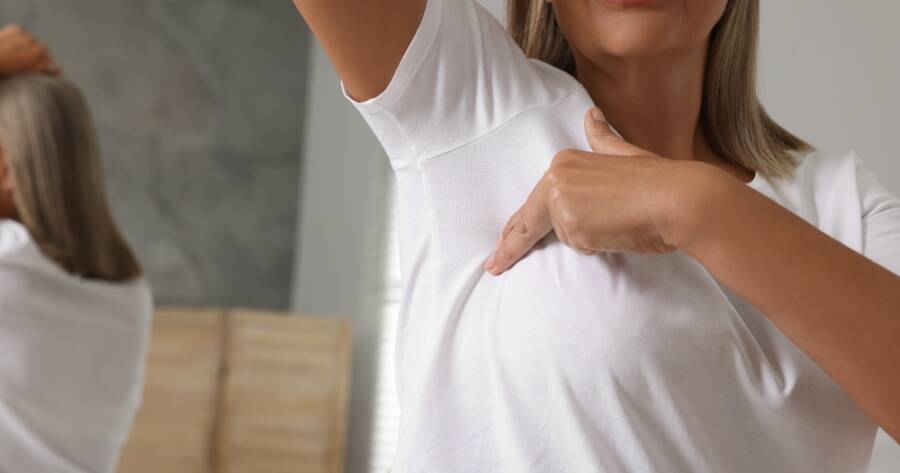
Knowing how your breasts normally look and feel can make it easier to notice changes that may deserve medical attention. A breast self-exam is a simple way to become more familiar with your body and check for new lumps or other differences. Learning the basic technique can make the process feel more comfortable and manageable at home.
Why a Monthly Breast Self-Exam Matters
A breast self-exam is a simple, hands-on method that allows individuals to become familiar with how their breasts normally look and feel. When something changes, that familiarity is what helps a person recognize it quickly. According to health experts, the ultimate goal of regular self-exams is to understand what is typical for one’s own body, so that anything new or different can be reported to a healthcare provider right away (source).
Many breast cancer cases are first identified not through clinical screenings but through personal discovery. Research consistently shows that people with breast cancer often report first noticing a lump at home, before any formal diagnosis was made (source). Establishing a regular habit of self-examination can make a meaningful difference in how quickly any concerns are brought to a doctor’s attention.
Health organizations recommend that adult women of all ages perform a breast self-exam at least once a month (source). This recommendation applies regardless of age or personal health history, making it a universally relevant practice.
Choosing the Right Time of Month
Timing matters when it comes to getting the most accurate results from a self-exam. For those who still menstruate, breast tissue tends to be less tender and less lumpy in the days shortly after a period ends. The National Breast Cancer Foundation advises performing the exam a few days after the period concludes, while MedlinePlus suggests roughly three to five days after the period starts — both pointing to the same post-menstrual window as the optimal time (source) (source).
For individuals who are post-menopausal, selecting a consistent calendar date each month works well. Consistency is the key factor — performing the exam at roughly the same point each month helps build a reliable baseline of what is normal for that person’s body.
The Lying-Down Method: A Thorough Starting Point
Starting a self-exam while lying on the back is widely recommended because it helps distribute breast tissue more evenly across the chest wall. This flattening effect makes subtle changes easier to detect, particularly for individuals with larger breasts (source).
To examine the left breast, the right hand does the work, and vice versa. Using the flat pads of the three middle fingers (not the fingertips) the examiner applies pressure in a circular or systematic pattern across the entire breast and armpit area. Three levels of pressure are used in sequence: light, medium, and firm. Light pressure picks up tissue just beneath the skin, medium pressure reaches the middle layers, and firm pressure allows examination of the tissue closest to the chest wall and ribs (source).
It is important to cover not just the breast itself but also the armpit and the area extending up toward the collarbone, since lymph nodes and additional breast tissue extend into that region.
Visual Inspection: What to Look For in the Mirror
A visual check performed while standing in front of a mirror is a valuable complement to physical palpation. During this portion of the exam, the arms can be rested at the sides, then raised overhead, allowing observation of the breasts from multiple angles.
Skin texture deserves close attention. Changes such as dimpling, puckering, indentations, or skin that takes on the appearance of an orange peel are all worth noting (source). Any visible asymmetry that seems new, nipple changes, or unusual discharge should also prompt a conversation with a healthcare provider.
The Shower Method: An Easy Addition to a Daily Routine
Performing part of a breast self-exam in the shower is a practical approach that many find easy to incorporate into their existing habits. Wet, soapy skin allows fingers to glide smoothly, which can make it easier to detect unusual lumps or texture changes beneath the surface. The same three-finger technique and varying pressure levels apply here as in the lying-down method.
Some people find that combining the shower method with a separate lying-down exam gives them the most comprehensive check. The key is consistency — using the same technique and roughly the same timing each month to build an accurate personal baseline.
A Framework for Staying Organized
For those who want a structured way to remember everything a thorough exam should cover, the Cleveland Clinic introduces “the seven Ps of breast self-examination,” which stand for Position, Perimeter, Palpation, Pressure, Pattern, Practice, and Planning (source). This framework serves as a useful mental checklist, ensuring that no area is skipped and that the exam is performed consistently from month to month.
Planning, in particular, refers to scheduling the exam intentionally rather than leaving it to chance. Setting a monthly reminder can turn a good intention into a dependable habit. Practice, meanwhile, reinforces the idea that familiarity builds over time — the more regularly the exam is performed, the more attuned a person becomes to their own normal.
When to Speak With a Doctor
A self-exam is not a substitute for professional medical care, nor is it a diagnostic tool. Its purpose is awareness and early recognition of change. If anything unusual is detected, such as a new lump, a shift in skin texture, an unexplained change in shape or size, or discharge from a nipple, reaching out to a healthcare provider promptly is the recommended course of action (source).
It is also worth noting that not every lump indicates something serious. Many lumps are benign, but only a qualified medical professional can determine that. The value of the self-exam lies in noticing change and acting on it — not in self-diagnosis.
Why Staying Informed About Breast Health Is Worth Your Attention
Regular breast self-exams represent one of the most accessible forms of personal health awareness available to anyone, requiring no equipment, no appointment, and no specialized training. Understanding the proper technique — lying down, standing at a mirror, or in the shower — and applying it consistently each month empowers individuals to stay connected to what is normal for their own bodies.
Healthcare providers can offer personalized instruction, answer questions about technique, and help determine whether any findings warrant further evaluation. Staying proactive about breast health, scheduling regular clinical exams, and maintaining open communication with a physician form the foundation of a thoughtful, lifelong approach to wellness.