

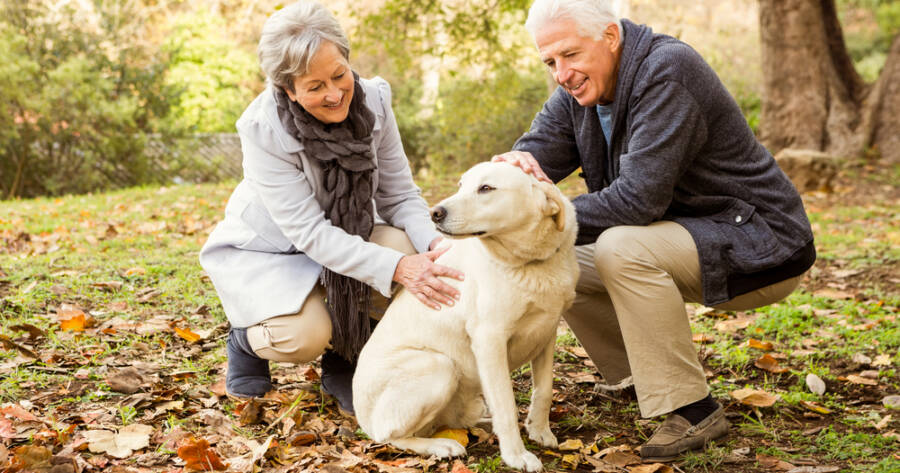
Companionship, purpose, and even better health — the right pet can offer seniors all of this and more. Finding the perfect match depends on lifestyle, energy levels, and personal preference, but a few standout options consistently rise to the top.
Why Pets Matter for Older Adults
The connection between seniors and their animal companions runs far deeper than simple affection. Research consistently shows that pet ownership delivers meaningful physical and emotional benefits for older adults. Interacting with animals has been associated with reduced loneliness, lower blood pressure, healthier cholesterol levels, and sharper cognitive function in older populations (source).
The emotional dimension is equally compelling. A majority of adults over 50 who own pets report that their animals give them a genuine sense of purpose — a feeling that becomes increasingly important during the retirement years (source). That sense of daily responsibility and routine can anchor a senior’s day and foster emotional resilience.
Physical benefits are measurable as well. Dog owners in particular tend to walk significantly more than people without pets, and pet owners as a group show lower triglyceride levels compared to non-owners, pointing toward a meaningful connection between animal companionship and cardiovascular health (source). The American Heart Association has noted that owning a dog is probably linked to a reduced risk of cardiovascular disease and may even play a causal role in that reduction (source).
1. Dogs: Loyal Companions That Encourage an Active Lifestyle
Dogs have long been celebrated as devoted companions, and for seniors seeking both emotional connection and gentle physical activity, they can be an outstanding choice. The daily rhythm of feeding, walking, and caring for a dog provides structure and a reason to stay active — both of which contribute to overall well-being.
Not every dog is the right fit for every senior, however. High-energy breeds that demand intense exercise may be challenging for older adults with limited mobility. Older dogs, by contrast, tend to have naturally calmer dispositions and more modest activity requirements, making them particularly well-suited to a senior’s pace of life (source). Adopting a senior dog from a shelter is often a rewarding and practical option that benefits both animal and owner.
The social benefits of dog ownership should not be overlooked either. Walking a dog regularly creates natural opportunities for conversation with neighbors and other pet owners, helping to combat the isolation that some older adults experience. Animal-assisted therapy programs involving dogs have also demonstrated measurable reductions in loneliness among residents of long-term care settings (source).
2. Cats: Independent Yet Deeply Affectionate
For seniors who want a warm, affectionate presence at home without the physical demands of daily walks, cats offer an ideal balance. A cat’s independent nature means it can manage stretches of quiet time while still seeking out its owner for comfort and companionship — often curling up beside them during the evening or settling in for a long nap.
The calming effect of a cat’s purr is well-documented in animal behavior research, and the simple act of stroking a cat has been linked to lower stress and decreased blood pressure (source). This makes cats especially appealing to seniors living in smaller spaces such as apartments or assisted living communities where larger animals might not be permitted.
Cats are also relatively low-maintenance compared to many other pets. Their grooming habits are largely self-directed, and their care routines — regular feeding, a clean litter box, and periodic veterinary visits — are straightforward to manage. For seniors mindful of their budget, it is worth noting that about a third of adults over 50 report that pet costs can strain their finances, making a lower-maintenance animal an important practical consideration (source).
3. Birds: Stimulating Companions for Mind and Mood
Birds may not be the first animal that comes to mind for companionship, but they offer a surprisingly rich form of connection, particularly for seniors who enjoy mental engagement and vocal interaction. Species such as parakeets, cockatiels, and canaries are known for their sociability and can develop strong bonds with their owners over time.
The interactive quality of bird ownership — listening to songs, mimicking speech, or simply observing a bird’s personality — provides ongoing mental stimulation that supports cognitive health. Staying mentally active is a recognized component of healthy aging, and an engaging pet can contribute meaningfully to that goal. Studies linking pet ownership to better cognitive function in older adults reinforce the value of animals that keep the mind engaged (source).
From a practical standpoint, birds require minimal physical exertion from their owners, making them accessible to seniors with limited mobility. Their living space requirements are modest, and many bird species can thrive with attentive but manageable daily care. For seniors living alone, the sounds and movements of a bird can fill a home with life and energy in a way that genuinely eases feelings of loneliness.
Choosing the Right Pet for Each Individual
No single pet suits every senior. The best choice depends on the individual’s activity level, living situation, health status, and financial circumstances. A senior who loves morning walks and outdoor time may find a calm, older dog transformative. Someone who prefers a quieter routine might discover that a cat or bird fits seamlessly into daily life without adding physical strain.
The bond between people and their pets can increase fitness, lower stress, and bring genuine happiness, including measurable reductions in blood pressure and cholesterol levels, according to compiled research on the subject (source). With that in mind, taking time to match a pet’s temperament and care requirements to an individual’s lifestyle is the foundation of a successful and lasting companionship.
Why Seniors Should Learn More About Pet Companionship Today
The evidence supporting pet ownership for seniors is both broad and compelling. From reduced blood pressure and lower cholesterol to combating loneliness and fostering daily purpose, animals enrich older adults’ lives in ways that touch nearly every dimension of well-being. Whether a senior is drawn to the loyal warmth of a dog, the gentle independence of a cat, or the lively presence of a bird, the right companion animal can make a meaningful difference. Understanding the specific benefits and care requirements of each option empowers older adults and their families to make thoughtful, informed decisions that enhance quality of life for years to come.