

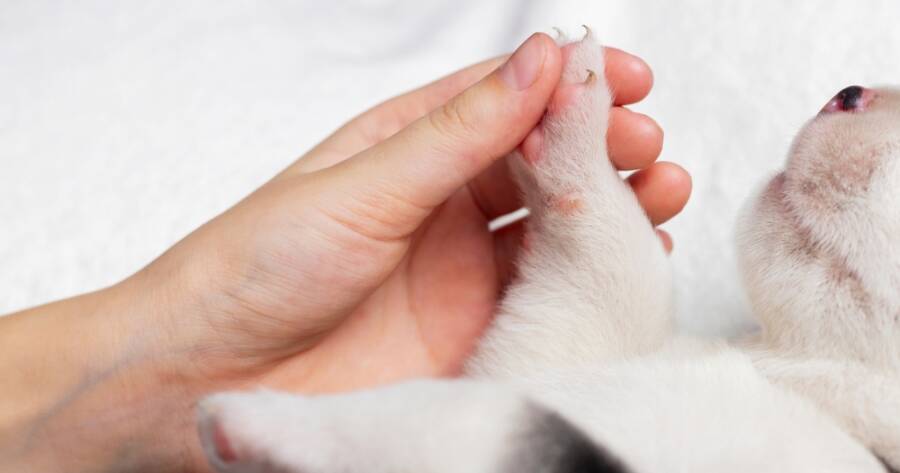
Few dog breeds are as instantly recognizable as the Catalburun. Native to southern Turkey, the rare hunting dog is known for a dramatic split nose that can make it look almost double-nosed. Behind that unusual feature is a hardworking pointer with a long regional history, strong scenting instincts, an athletic build, and a personality shaped by life in the field.
What Is a Catalburun?
The Catalburun, also called the Tarsus Catalburun or Turkish Pointer, is a rare hunting dog closely associated with Tarsus in southern Turkey. The name reflects the breed’s most obvious feature: “çatal” refers to a fork and “burun” to a nose. Turkish veterinary research describes the Catalburun as a local pointer traditionally valued for hunting, particularly partridge, and notes that the breed has remained closely tied to the Tarsus region (source).
Physically, the Catalburun is a medium, athletic dog rather than a giant breed. A veterinary study of 100 dogs found an average body weight of about 20.2 kilograms, or roughly 44.5 pounds, and an average height at the withers of 48.2 centimeters, or just under 19 inches. Because the breed has not been standardized as extensively as many internationally established breeds, size and appearance can vary from dog to dog (source).
Why the Split Nose Is So Unusual
The Catalburun’s defining feature is a bifid, or split, nose. A deep groove separates the center of the nose, creating the appearance of two distinct sides. Recent genetic research has made the feature even more interesting: a 2025 study identified a splice-acceptor variant in the PDGFRA gene that is associated with the bifid nose seen in Catalburuns. Researchers found the variant in most of the Catalburun dogs they tested and linked the gene to processes involved in facial development (source).
The unusual nose is often credited with giving the breed an exceptional sense of smell, but that idea should be treated cautiously. Catalburuns are valued as scent-driven hunting dogs, yet current research has not proved that the split itself makes their noses work better than those of other capable hunting breeds. What is clear is that the trait is rare, visually striking, and closely connected to the breed’s identity.
Appearance and Personality
Beyond the nose, Catalburuns have the practical build of a working pointer. They typically have a short coat, hanging ears, a strong but streamlined body, and coloring that may include white with brown, red, orange, black, or other markings. Scientific measurements have found a compact, athletic frame, while breed profiles describe a short coat that requires relatively little grooming (source).
Temperament is often described as loyal, intelligent, and energetic. Catalburuns were developed to work closely with people in the field, and breed profiles note that they can form strong bonds with their families. Their hunting background also means a strong prey drive may be part of the package. Early socialization, consistent training, and careful introductions to other animals are important, particularly for a dog expected to live primarily as a companion (source).
Exercise, Training, and Daily Life
A Catalburun is unlikely to be satisfied with a low-activity routine. Hunting heritage and high energy levels make regular physical exercise important, while scent games, training sessions, and other mentally engaging activities can give the dog an outlet for its working instincts. WagWalking describes the breed as responsive to training and notes that positive reinforcement can work well. A secure fenced area is also sensible because prey drive can encourage chasing (source).
Daily life with one also requires realistic expectations. Catalburuns may be affectionate at home, but they are still working dogs rather than decorative pets. Owners need enough time for exercise, training, and social interaction. Their short coats are comparatively easy to maintain, although routine nail care, dental care, ear checks, and veterinary visits remain necessary just as they are for any dog.
Health and What Prospective Owners Should Know
Reliable health data for the Catalburun is limited compared with better-studied breeds, so broad claims about the breed being unusually healthy should be treated carefully. Breed references list possible concerns including hip or elbow problems, hypothyroidism, and some skin conditions, but the rarity of the breed means large long-term health studies are scarce. Prospective owners should prioritize veterinary screening and ask for as much health history as possible when evaluating a dog or breeder (source).
Rarity is another practical consideration. Published veterinary work describes the Catalburun as a localized Turkish hunting dog that is seldom encountered outside its home region, so finding one in the United States may be difficult. Limited international breeding also makes it especially important to research breeders carefully, avoid impulse purchases based solely on the unusual nose, and focus on health, temperament, and responsible breeding practices (source).
More Than a Double-Nosed Dog
The split nose may be what first catches the eye, but the Catalburun is much more than an unusual face. It is a regional working dog shaped by generations of hunting, with the energy, intelligence, and close human partnership that come with that history. Modern genetic research has also given scientists a new reason to study the breed, linking its distinctive appearance to a rare variant associated with facial development. For anyone fascinated by unusual dogs, the Catalburun is easy to remember and easy to love!