

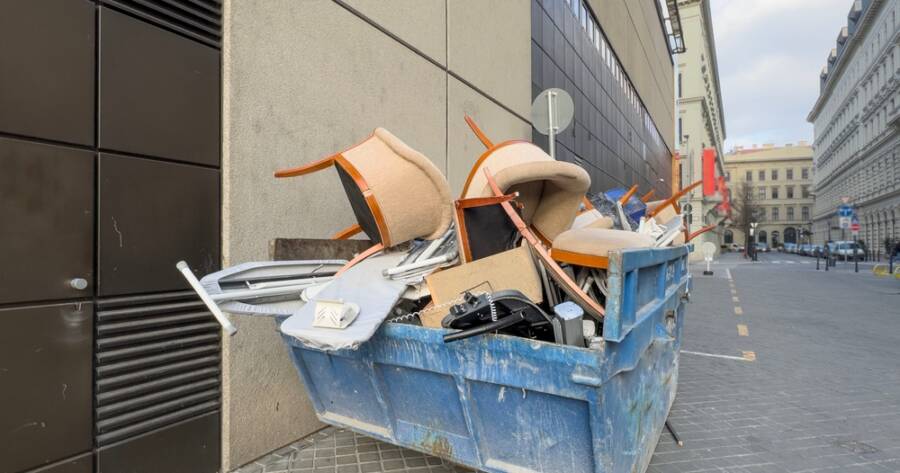
Clearing unwanted belongings can become harder with age, especially when heavy lifting, stairs, transportation, or large furniture are involved. Seniors and their families may have more options than they realize, ranging from donation pickups and community resources to full-service removal companies. Knowing what help is available can make downsizing or decluttering safer, easier, and less overwhelming.
Why Junk Removal Matters for Older Adults
As people age, the accumulation of unwanted items in the home becomes more than just an inconvenience. Excess belongings can create real safety hazards, increase the amount of upkeep required, and make daily living more difficult. For seniors preparing to move into a smaller home, relocate to a relative’s residence, or transition into an assisted living community, clearing out unnecessary items becomes a practical priority (source).
Physical limitations such as reduced strength or diminished mobility can make tasks like lifting heavy bags, maneuvering around bulky furniture, or carrying bins down stairs genuinely hazardous. Cognitive challenges, including simple forgetfulness, can also complicate routine garbage and waste management (source). Recognizing these realities is the first step toward finding the right support.
Simple Adjustments That Make a Difference
Not every junk removal challenge requires a major intervention. Sometimes small, practical changes to daily habits can ease the burden considerably. Switching to smaller, lightweight bins fitted with wheels, for example, allows older adults to push rather than lift heavy loads, significantly lowering the risk of injury (source).
Encouraging more frequent disposal habits also helps. When waste is removed on a daily basis rather than allowed to accumulate over a full week, bins stay lighter and more manageable. This approach also contributes to a cleaner, pest-free home environment (source). For larger cleanouts, however, these small adjustments may not be sufficient on their own, and outside assistance becomes necessary.
Free and Low-Cost Community Resources
Many seniors are unaware that free or reduced-cost junk removal options exist through local programs and community organizations. A helpful starting point is the Eldercare Locator, a public service operated by the Administration for Community Living, which connects older adults and their families with local assistance by phone, text, or online search (source). This resource can point families toward services specific to their geographic area.
Donation-based pickups also provide meaningful relief. The Salvation Army offers free collection of accepted donations within its service areas, and many Habitat for Humanity ReStores provide large-item pickup as well, though the specific rules tend to vary by location (source). Local senior centers and community volunteer organizations are additional sources of information about scheduled pickup programs available in a given neighborhood (source).
Many municipalities also operate bulk curbside collection days, which allow residents to set out large items for free pickup. These services can be an efficient way to remove furniture, appliances, and other oversized items without spending anything. The challenge, of course, is that getting a heavy sofa or a large appliance out to the curb still requires someone to do the lifting, which may not be feasible for every senior household (source).
When Professional Junk Removal Services Make Sense
For situations where free options fall short, particularly when items are heavy, numerous, or difficult to access, professional junk removal companies offer a comprehensive solution. Services like Junkluggers specialize in senior downsizing and estate cleanouts, handling a wide variety of items including couches, dressers, appliances, televisions, mattresses, and exercise equipment. The one category they cannot assist with involves hazardous materials such as chemicals, solvents, paint, or asbestos (source).
A distinguishing feature of quality junk removal providers is their commitment to responsible disposal. Rather than routing everything to a landfill, reputable companies prioritize donating usable items to local charities. Families often receive a donation receipt listing which organizations received the items, providing meaningful reassurance that belongings are going to good use (source).
Scheduling flexibility is another advantage of professional services. Same-day and next-day availability, combined with advance notification when the crew is en route, reduces the disruption to a senior’s daily routine. For families coordinating a move or a transition on a tight timeline, this level of reliability can be especially valuable (source).
Paid outdoor pickup services represent a middle ground between full-service removal and relying entirely on free programs. These options cover loading, transportation, and disposal for eligible items, making them a practical choice when the problem is getting something out the door rather than moving it through the house (source).
Helping Family Members Navigate the Process
Families and caregivers play an important role in helping older relatives manage junk and clutter removal. Identifying the right combination of resources, whether that means arranging a community pickup, coordinating a donation collection, or hiring a professional team, requires some research and planning. Understanding what a senior can safely handle independently versus where assistance is truly needed helps avoid both unnecessary expense and potential injury.
Compassionate communication also matters. Sorting through decades of accumulated belongings can be an emotionally significant process for older adults. Involving the senior in decisions about what to keep, donate, or discard, rather than making choices on their behalf, supports their dignity and autonomy throughout the process.
Why You Should Learn More About Junk Removal for Seniors Today
Junk removal for seniors is a topic that touches on physical safety, financial practicality, and emotional well-being. A wide spectrum of resources exists to address it, from no-cost community programs and donation pickups to professional services equipped to handle the most demanding cleanouts.
Knowing where to turn, and which option fits a specific situation, empowers seniors and their families to create safer, more comfortable living environments. Taking the time to explore all available avenues, including local assistance programs, national organizations, and reputable removal companies, ensures that every older adult has access to the support they deserve.