

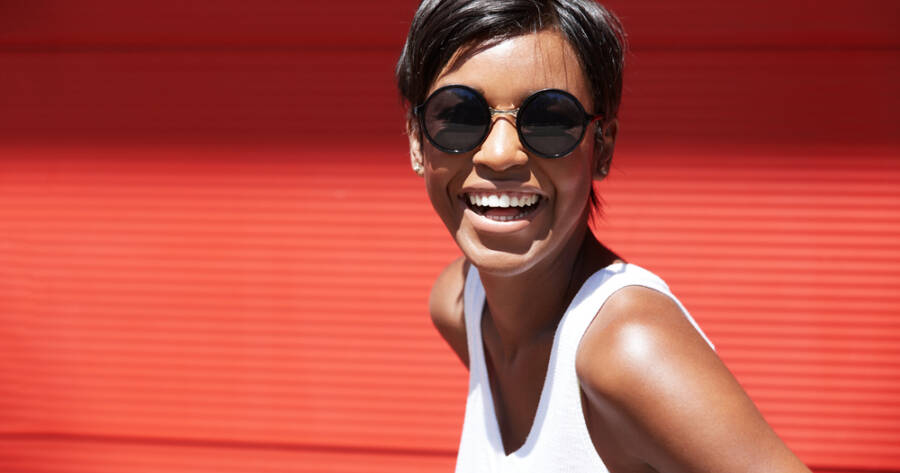
The textured bixie cut has earned its place as one of the most flattering short styles available. It’s a clever blend of pixie and bob that softens features, refreshes fine hair, and delivers a polished look with surprisingly little daily effort.
What Makes the Textured Bixie Cut Different
The bixie sits in a sweet spot between two classic short hairstyles. Rather than committing fully to the close-cropped nature of a pixie or the heavier, blunter feel of a traditional bob, it borrows the best elements of both. Hairstylist Andrew Fitzsimons describes it simply as “a shaggy bob with a mix of layers to add dimension and texture” (source). That layered dimension is what separates the bixie from other short styles — it moves, it breathes, and it creates a lightness that blunt cuts rarely achieve.
The textured version of the cut takes this concept further. Those defined layers are deliberately crafted to catch light, add volume at the crown, and frame the face with soft, feathered pieces rather than sharp edges. Stylist Devin Toth explains that a bixie “lives in between the two with more length to work with and a style that doesn’t feel as weighty” (source). The result is a cut that feels relaxed rather than severe — modern without being aggressive.
Why the Bixie Has a Youthful Effect
Short hair, particularly when cut with texture and layers, actively works to counter the visual weight that longer, damaged strands can add to the face. Removing dry, split ends gives hair “a fresher, healthier appearance” and creates a style that “makes an impact even with minimal styling” (source). Healthier-looking hair immediately reads as younger hair, and the bixie’s shorter length ensures those fresh ends are always visible.
Senior hairstylist Sasha Leslie notes that “a bixie has all the benefits of a short style, but because the front is kept longer and softer, it has none of the severity of other short haircuts” (source). That softer front framing is particularly significant — it avoids the sharpness that can sometimes feel harsh around mature facial features, instead drawing attention to the eyes and cheekbones in a flattering, gentle way. The combination of movement at the front and close-cropped texture at the back lifts the overall silhouette, giving the face a natural, lifted appearance.
Celebrity examples reinforce how well the bixie translates across ages. Halle Berry, for instance, wears hers with natural curls and a fringe that frames her face nicely, and the relaxed elegance of the style has made it a go-to for women over 50 who want something chic but not costume-like (source).
Who the Textured Bixie Works Best For
One of the bixie’s strongest selling points is how broadly it applies across hair types. Hairstylist Taylor Murphy states plainly that “it looks good on all hair types!” (source). That said, certain textures benefit most from specific variations. Stylist Fabrice Gilli points to fine- to medium-textured hair as the ideal candidate for the classic bixie shape, while noting that tighter curls and coils may find replicating the exact silhouette more challenging (source).
For women with finer strands, Leslie recommends requesting a more graduated or stronger silhouette during the salon visit, as this builds the appearance of volume that thinner hair naturally lacks (source). Those with thicker curly hair, on the other hand, can ask for a shorter undercut variation, which removes bulk at the interior while preserving the length and shape on the outside (source). The customizable nature of the cut means that a skilled stylist can adapt it to serve almost any starting texture.
How the Modern Bixie Differs From Its 90s Version
The bixie isn’t an entirely new concept — versions of it circulated in the 1990s — but today’s interpretation is noticeably different. Murphy describes the original 90s bixie as “really just a long pixie with choppy, defined layers,” while the current version has “modernized it by making the bixie more of a bob than a pixie” with layers that are “blended more to give it a softer look” (source). This shift toward softness is exactly what makes the 2020s bixie feel more universally wearable — it’s less about edge and more about effortless movement.
Murphy also characterizes the bixie as “fun and edgy while also being chic and girly, so it’s the best of both worlds” (source). That dual personality is rare in a short cut, and it’s one reason the style continues to gain ground among women looking for something that feels personal rather than generic.
Communicating the Cut to a Stylist
Getting the right result depends heavily on clear communication during the salon visit. Murphy is direct about the value of visual references: “We all have different definitions of what short is, so pictures are always better than words when it comes to hair” (source). Arriving with a selection of reference images that show different angles of the desired bixie — particularly the front framing and the layered texture — gives the stylist a far clearer target than verbal descriptions alone.
It’s also worth discussing the desired level of texture during the consultation. Someone who prefers a polished finish will want less aggressive layering, while someone who loves a tousled, lived-in appearance may want the stylist to go further with the texturizing. Either approach can produce a youthful result, so the priority is matching the final look to the individual’s lifestyle and styling habits.
Maintaining the Shape and Texture at Home
The bixie is relatively low-maintenance compared to many short styles, but keeping its shape sharp does require regular salon visits. Murphy recommends a trim every eight to twelve weeks to preserve both the length boundaries and the layered structure (source). Allowing the cut to grow too long without a trim causes the layers to lose separation, which flattens the texture and dilutes the youthful effect the style is known for.
At home, the right products make a significant difference. Toth recommends pairing a strong-hold cream or wax with a strong-hold hairspray for day-to-day styling (source). For those with naturally straight hair, a texturizing spray is especially valuable — it amplifies the definition of each layer and prevents the style from falling flat (source). Murphy also highlights a textured pomade as a tool for separating and defining individual layers, with a finishing hairspray to lock the volume in place (source).
Why Learning More About the Textured Bixie Is Worth Your Time
The textured bixie cut stands out because it combines a genuine anti-aging visual effect with everyday practicality. Its layered structure removes heaviness, the soft front framing avoids severity, and the healthier appearance of freshly cut hair contributes to a naturally younger-looking result. Unlike many trends that suit only a narrow profile, the bixie adapts to different hair textures, face shapes, and personal aesthetics — from polished and refined to tousled and carefree.
With the right stylist consultation, product routine, and trim schedule, the cut maintains its shape and continues to deliver that effortless, refreshed quality. For anyone exploring short hairstyles that genuinely flatter rather than simply follow a trend, the textured bixie represents one of the most thoughtful and rewarding options currently available.