

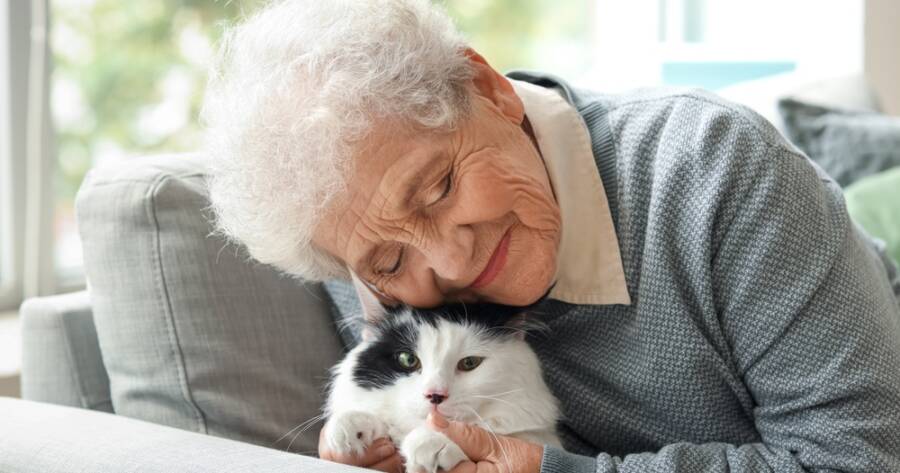
Finding the right animal companion later in life is about matching a pet’s needs to one’s own energy, space, and lifestyle. The best low-effort pets offer genuine emotional and physical benefits without demanding more than an older adult can comfortably provide.
Why Companion Animals Matter for Older Adults
The connection between older adults and their pets runs deeper than simple companionship. Research cited by the CDC has linked regular interaction with animals to measurable reductions in loneliness, lower blood pressure, healthier cholesterol and triglyceride levels, and stronger cognitive function in aging populations (source). These are not trivial outcomes — they speak directly to some of the most pressing health concerns facing adults as they age.
The emotional dimension is equally compelling. UCI Health geriatrician Dr. Lisa Gibbs notes that caring for a pet actively promotes calmness, reduces anxiety, and lowers blood pressure, while also delivering something harder to quantify: a renewed sense of purpose (source). A large-scale study of nearly 8,000 older adults living alone found that pet ownership was tied to a slower rate of cognitive decline — particularly in areas of verbal ability, memory, and mental fluency (source). For an independent older adult, these benefits can meaningfully support quality of life.
Matching the Pet to the Person
Not every animal is equally suited to every lifestyle, and choosing wisely matters more as one ages. Key factors to evaluate include the pet’s grooming requirements, size, breed temperament, and how much physical activity the owner can reliably provide. According to Dr. Gibbs, pets with heavy grooming demands should be avoided by anyone with limited energy or reduced arm strength, and the physical size and behavioral traits of an animal play a direct role in fall prevention and overall safety (source).
The goal is finding a balance: an animal whose daily care requirements align with what the owner can realistically manage on their best and worst days alike. That principle shapes every category of low-effort pet worth considering.
Cats: A Natural Fit for Quieter Households
Among low-maintenance options, cats consistently rank as one of the most practical choices for older adults. They are well-suited to apartment or smaller-home living, require no outdoor walks, and tend to thrive with calm, quieter routines (source). For someone with limited mobility, a cat’s independent nature is actually an advantage — these animals do not depend on their owners for constant activity or stimulation.
The health benefits tied to cat ownership are also notable. A 2022 study found that cat owners experienced greater reductions in cardiovascular disease risk factors compared to other pet owners, and homebound older adults with cats showed measurably lower levels of depressive symptoms (source). These findings suggest that the quiet companionship a cat provides carries real physiological value, not just emotional comfort.
Senior Dogs: Calm Energy, Proven Loyalty
For older adults who want a dog but are concerned about managing a high-energy animal, adopting a senior dog is a sound approach. Older dogs tend to have calmer dispositions, need far less training than puppies, and adjust readily to the quieter pace of a household where activity levels are more moderate (source). A short daily walk can provide mutual benefit — light physical activity for the owner and sufficient exercise for a lower-energy breed.
When selecting a dog, size and breed temperament remain important variables. A smaller, gentler dog presents far fewer fall risks than a large or excitable one. Choosing a breed or individual animal known for calm behavior reduces the chance of an unexpected physical incident while still delivering the warmth and companionship that make dogs a beloved choice.
Other Low-Effort Options Worth Considering
Beyond cats and dogs, several other animals can serve as meaningful companions with minimal physical demands. Small birds, such as parakeets, offer vocal interaction and visual engagement without requiring outdoor care or significant exertion. Aquarium fish provide a calming, visually stimulating presence that research has associated with reduced stress — and their care is largely routine and predictable.
The right choice ultimately depends on what an individual finds most fulfilling. Some older adults prefer the tactile comfort of a warm animal nearby, while others may respond just as positively to the quiet rhythm of watching fish move through a tank. What matters most is that the animal enhances daily life rather than adding stress or physical strain.
The Numbers Behind the Bond
The prevalence of pet ownership among older Americans underscores how widely this value is already recognized. More than half of adults aged 50 and older own at least one pet, and an overwhelming majority of those owners — 83% — report that their animal gives them a meaningful sense of purpose, according to the University of Michigan’s 2025 National Poll on Healthy Aging (source). That figure is not incidental. Purpose is closely tied to mental health outcomes, motivation, and overall wellbeing in later life.
For older adults living independently, that sense of purpose can be particularly protective. Having a creature that depends on daily care — even in small ways — creates structure, encourages routine, and provides consistent emotional reward. These are qualities that support independence rather than compromise it.
Why Older Adults Should Learn More About Low-Effort Pets
The evidence connecting pet ownership to healthier, more fulfilling aging is both broad and well-supported. From cardiovascular benefits and slower cognitive decline to reduced anxiety and a stronger sense of daily purpose, the right animal companion offers older adults a meaningful advantage. The key is choosing an animal whose care requirements align with realistic capacity — not an idealized version of it. Cats, senior dogs, birds, and fish each present low-demand options that deliver high-value returns. Exploring which type of companion best fits one’s living situation, physical ability, and emotional needs is a worthwhile step toward a more connected and supported daily life.