

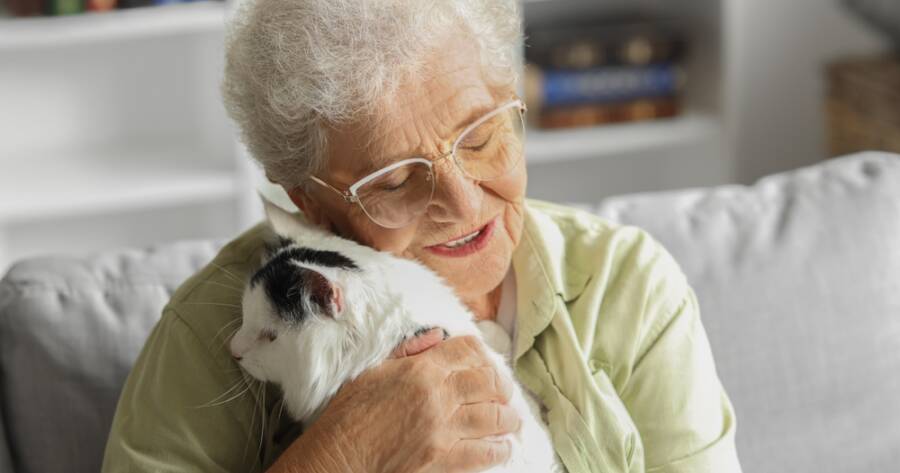
Choosing the right pet can make a meaningful difference in an older adult’s daily life — offering companionship, gentle motivation, and emotional comfort without demanding more energy than the person can give.
Why Pet Companionship Matters for Older Adults
Research and health organizations consistently recognize pets as more than just household companions. For seniors, the presence of an animal can address some of the most common challenges that come with aging, including social isolation, reduced physical activity, and a diminished sense of purpose. A 2025 National Poll on Healthy Aging from the University of Michigan found that 83% of adults age 50 and older who own a pet say that animal gives them a sense of purpose (source).
That sense of purpose carries real weight. Having a living creature that depends on a person for care — even in small, manageable ways — can provide daily structure and emotional fulfillment. This dynamic becomes especially significant for adults navigating retirement, loss of loved ones, or health challenges that have reduced their previous routines.
The physical dimension of pet ownership deserves equal attention. According to the CDC, regular interaction with animals has been linked to lower blood pressure, reduced cholesterol and triglyceride levels, decreased feelings of loneliness, and more frequent opportunities for exercise and outdoor activity (source). These are not trivial benefits — they map directly onto some of the most significant health risks that older Americans face.
The Science Behind Human-Animal Interaction and Physical Health
Peer-reviewed research published through NIH/PubMed Central adds further depth to understanding how animal companionship supports aging. The research found that pet ownership and human-animal interaction are associated with stronger health outcomes among individuals managing disease or disability (source). For a population where chronic illness and physical limitation are common, that connection represents a meaningful quality-of-life factor.
Importantly, the studies emphasize that physical function — meaning a person’s ability to carry out everyday tasks and maintain mobility — can be better preserved among older adults who have companion animals (source). This doesn’t require intense exercise or high-activity pets. Even low-demand animals appear to contribute measurably to keeping seniors physically and emotionally engaged with their environment.
Cats as Low-Effort Companions for Seniors
Among the most practical choices for older adults, cats stand out for their independent nature and modest care requirements. Cats fit especially well into smaller living spaces such as apartments, and they don’t require outdoor walks or high-energy play sessions to thrive. This makes them a strong match for seniors with limited mobility or those who simply prefer a quieter, more self-sufficient companion (source).
A cat’s natural preference for calm environments aligns well with the rhythms of many older households. They offer consistent affection and presence without placing significant physical demands on their owners. Grooming needs vary by breed, but many short-haired cats require minimal maintenance, keeping the care routine both manageable and rewarding.
Dogs That Suit a Senior’s Lifestyle
Dogs introduce a different kind of relationship — one that tends to be more interactive and structured. For seniors who are still mobile and enjoy regular walks, a dog can serve as both a motivator for physical activity and a social bridge, since dog owners frequently interact with neighbors and other pet owners during outings. These social exchanges can reduce feelings of isolation over time.
Not all dogs place the same demands on their owners, however. Older or senior dogs often bring calmer temperaments, require less obedience training, and adapt naturally to slower-paced households (source). Adopting a senior dog from a shelter can be a particularly compatible match — both the animal and the owner benefit from the quieter dynamic, and the bond formed tends to be deep and immediate.
Other Low-Effort Companion Animals Worth Considering
Beyond cats and dogs, several other animals offer companionship without placing heavy demands on their caregivers. Birds, for example, provide auditory stimulation and interaction without requiring physical exertion. Watching and listening to a bird can reduce feelings of loneliness, and many species enjoy gentle interaction without needing the kind of active engagement that dogs require.
Fish represent another option that is often overlooked. An aquarium creates a visually soothing presence in the home, and research has suggested that watching fish can contribute to reduced stress and lower blood pressure — outcomes that align with the broader health benefits associated with human-animal interaction (source). The care routine for fish is predictable and manageable, making them well-suited to seniors who want the presence of a living companion without intensive daily responsibilities.
Small mammals such as rabbits or guinea pigs also merit consideration. They are gentle, relatively quiet, and can be affectionate with consistent handling. For seniors who enjoy tactile connection with an animal but want something smaller and simpler to care for than a cat or dog, these animals can fill that role effectively.
Matching the Animal to the Individual
The most important factor in any senior’s companion animal decision is honest alignment between the animal’s needs and the person’s current abilities and lifestyle. A mismatch — such as a high-energy breed placed with a senior who has significant mobility limitations — can create stress rather than comfort. The best outcomes come from selecting an animal whose natural temperament, activity level, and care requirements fit naturally into the senior’s existing daily life.
Living situation also plays a role. Seniors in assisted living communities or apartments may face restrictions on certain types of pets, making cats, birds, or fish more realistic choices than larger dogs. Those with more spacious homes or access to outdoor areas may have more flexibility. Regardless of the living arrangement, the goal is finding a companion that brings consistent emotional warmth and manageable routine — not added burden.
Why Seniors Should Learn More About Companion Animals Today
The connection between pet ownership and healthy aging is well-supported, spanning emotional wellbeing, physical function, and daily purpose. Older adults who share their lives with companion animals — whether cats, dogs, birds, fish, or small mammals — often experience measurable improvements across multiple dimensions of health. Low-effort animals in particular allow seniors to access these benefits without overextending their energy or resources. As more research confirms the value of human-animal bonds in later life, the case for finding the right companion animal grows stronger. Exploring the available options thoughtfully, with individual needs and circumstances in mind, opens a path toward greater comfort, connection, and vitality in the senior years.