

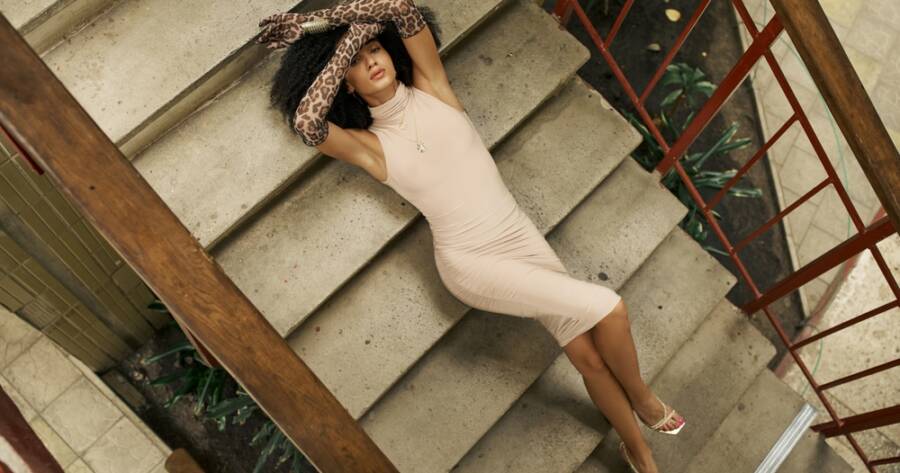
Fashion is reaching backward for inspiration again in 2026, bringing familiar dress silhouettes into a new era. Body-conscious shapes, playful babydolls, romantic lace, and pared-back ’90s designs are all resurfacing with updated proportions and styling. Rather than looking like exact copies of past trends, the strongest comebacks feel recognizable while still fitting comfortably into a modern wardrobe.
Bodycon Dresses Return With a More Polished Look
Bodycon dresses are moving back into the spotlight after several seasons dominated by looser, more relaxed silhouettes. The latest versions still follow the shape of the body, but many feel more refined than the ultra-tight minis associated with earlier trend cycles. Longer hems, ruching, cleaner necklines, and streamlined fabrics are giving the familiar silhouette a more sophisticated finish.
Tom Ford helped push the look forward on recent runways, while Gucci, Alaïa, Balenciaga, and Calvin Klein have all shown fitted dresses with body-skimming proportions. Harper’s Bazaar specifically identified bodycon as one of the season’s notable returns, while Vogue highlighted below-the-knee lengths and polished details that make the silhouette feel noticeably different from its clubwear-heavy past (source, source).
Babydoll Dresses Bring Back Playful Volume
The babydoll dress is also enjoying a major revival. Recognizable by its loose shape, higher waistline, and often shorter hem, the style carries echoes of both 1960s fashion and the ’90s versions that followed decades later. Current interpretations keep that youthful character while introducing better fabrics, cleaner proportions, and styling that feels less overtly sweet.
Chloé has played a major role in the comeback, and the silhouette has moved well beyond the runway. Who What Wear notes that babydoll dresses have remained prominent from spring into late summer, with floaty shapes appearing alongside flats, simple shoulder bags, and other pared-back accessories. The result is a nostalgic dress that can feel polished rather than costume-like when styled with restraint (source).
’90s Minimalist Dresses Make Another Return
Not every comeback relies on dramatic volume or decoration. The clean simplicity associated with late-’90s fashion is returning through narrow straps, square necklines, muted colors, and precise body-aware cuts. Rather than adding layers of embellishment, the strongest versions let proportion and construction do most of the work.
Calvin Klein, Alaïa, The Row, and Gucci have all shown dresses that tap into this stripped-back mood. Thin spaghetti straps and straightforward silhouettes recall the minimalist wardrobes of the decade without feeling like literal reproductions. For anyone who prefers understated dressing, the revival offers a counterpoint to some of the more romantic and exaggerated trends appearing at the same time (source).
Drop-Waist Dresses Revive Vintage Proportions
The drop waist has cycled through fashion repeatedly, with strong associations ranging from 1920s flapper dresses to later interpretations in the 1980s and beyond. Its defining feature is a waistline positioned lower than the body’s natural waist, creating a longer torso and shifting volume toward the hips or skirt.
Recent collections from Chanel, Dior, Alaïa, Saint Laurent, and Lacoste have brought the proportion back into focus. Some designers lean into its Jazz Age associations with embellishment and fluid fabrics, while others keep the silhouette stark and modern. That flexibility is helping the drop waist move beyond obvious vintage references and work as a more contemporary alternative to traditionally cinched dresses (source).
Lace Dresses Move Beyond Formal Occasions
Lace has never disappeared entirely, but full lace dresses are returning with renewed momentum. The material has historically been associated with bridal wear, lingerie-inspired dressing, and evening occasions, yet current collections are treating it much more broadly. Long dresses, slips, layered designs, and softer daytime silhouettes are all part of the revival.
Khaite, Saint Laurent, Gabriela Hearst, and JW Anderson have used lace in ways that range from delicate and romantic to darker and more substantial. Styling also plays a major role in making the fabric feel current. Chunkier footwear, simple outerwear, and minimal accessories can offset its traditionally feminine character, giving lace dresses a less predictable place in an everyday wardrobe (source).
Ruffles and Bubble Hems Bring Volume Back
Fashion’s renewed interest in exaggerated shape is also bringing ruffles and bubble hems back into dress design. Ruffles have appeared in countless eras, from elaborate historical dress to the maximalism of the 1980s, while bubble hems have had several distinct revival moments of their own. Both are now being reconsidered through cleaner styling and more sculptural proportions.
Alaïa, Dior, Tory Burch, Carven, and Altuzarra have used ruffles ranging from subtle pleated folds to dramatic tiers. Bubble shapes have appeared at Khaite, Jil Sander, Magda Butrym, and Toteme, sometimes extending into midi lengths rather than remaining confined to short party dresses. Together, the trends reflect a broader move away from completely flat silhouettes and toward clothing that creates movement through fabric and volume (source).
Familiar Dress Styles Feel New Again in 2026
The strongest dress comebacks of 2026 are not simply repeating what worked decades ago. Bodycon silhouettes have become more polished, babydoll dresses feel easier and more grown-up, and ’90s minimalism is returning alongside lace, dropped waists, ruffles, and exaggerated hems. Each revival borrows something recognizable while adjusting the details for current wardrobes.
That variety is what makes the current dress cycle especially interesting. Someone drawn to simple shapes can embrace minimalist slips or body-skimming midis, while those who prefer more expressive dressing have lace, ruffles, and sculptural volume to work with. Fashion may move in circles, but the best revivals rarely come back exactly the way they left.