

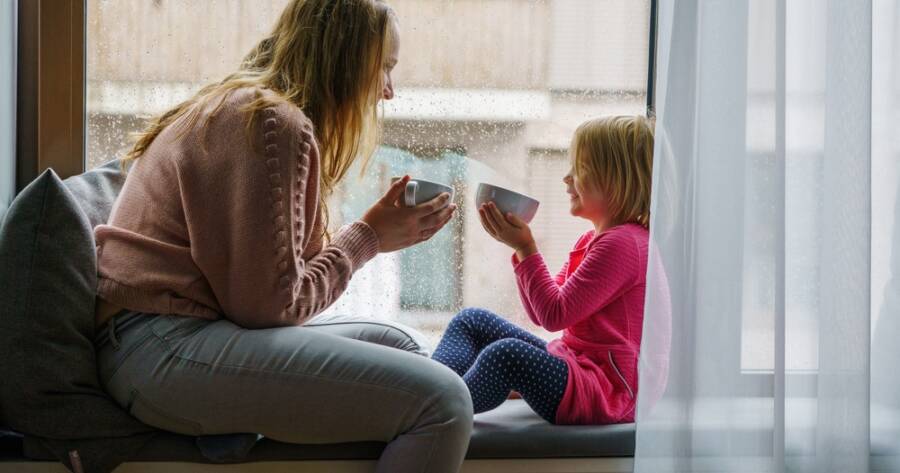
Two-bedroom apartments appeal to a particularly broad range of renters because the second room can solve several housing needs at once. A two-bedroom can accommodate roommates, couples who need separate work areas, small families, frequent guests, or renters who simply want more usable space without moving into a much larger home. Understand why two-bedroom apartments occupy a strong position in the real estate market.
Sharing the Rent Can Make More Space Practical
For renters living with roommates, a two-bedroom apartment can make financial sense even when its total rent is higher than that of a one-bedroom. Two people can divide housing expenses instead of one renter carrying the full monthly cost. That can make a larger apartment accessible while giving each occupant a private bedroom.
The difference can become especially meaningful in expensive markets. Current rental data shows that splitting the cost of a two-bedroom can produce substantial per-person savings compared with renting a one-bedroom alone in cities such as New York, San Francisco, San Jose, and Stamford (source). Affordability pressures therefore create demand not just for cheaper apartments, but for layouts that allow housing costs to be shared efficiently.
Remote and Hybrid Work Have Increased the Value of Extra Rooms
A second bedroom no longer has to function exclusively as sleeping space. For renters who work remotely or follow hybrid schedules, it can become a dedicated office that keeps laptops, monitors, calls, and paperwork away from the main living area. That separation can make a relatively compact apartment much more functional during the working week.
Demand data reflects the continuing importance of flexible space. A 2025 renter-demand analysis found that nearly half of surveyed renters were either fully remote or working on a hybrid schedule. In the same research, two-bedroom and junior two-bedroom units accounted for 52% of reported demand compared with 39% of available unit supply (source). Extra rooms and adaptable floor plans have consequently become useful features for renters whose homes now need to serve both residential and professional purposes.
Two Bedrooms Work for More Types of Households
The category also benefits from serving people at very different stages of life. A couple might initially use the second room for guests or hobbies and later turn it into a nursery. A single parent may need a separate bedroom for a child. Two roommates can divide the apartment without giving up private sleeping space, while older renters may value having a room available for visiting family or a caregiver.
Changing household arrangements help make flexible housing especially relevant. Multigenerational living has become more common over the long term. In 2021, 18% of the U.S. population lived in multigenerational households, up from 7% in 1971 (source). A two-bedroom apartment cannot accommodate every multigenerational household, but the broader trend illustrates why rental demand cannot be understood only in terms of single occupants and traditional couples. Many renters need layouts capable of adapting to family responsibilities and changing living arrangements.
The Second Room Can Serve Different Purposes Over Time
Renters may also choose two bedrooms because their needs can change faster than their leases or their willingness to move. An extra bedroom can initially serve as a home office and later become a guest room, storage area, hobby space, or bedroom for another household member. That versatility can reduce the pressure to relocate every time someone’s circumstances change.
Two-bedroom apartments also generally provide more total living space than one-bedroom units, not merely an additional sleeping room. Current national rental data places the average one-bedroom at around 696 square feet and a two-bedroom at roughly 998 square feet (source). For renters who have outgrown a small apartment but do not need a large family home, that additional room can create a noticeable improvement in everyday usability.
Two Bedrooms Occupy a Useful Middle Ground
Another reason for their demand is their position within the rental market. One-bedroom apartments can work well for individuals and couples, but they offer limited flexibility once a renter needs a workspace, another sleeping area, or significant storage. Three-bedroom units offer more space but may involve a larger rent commitment than many households need or want.
Two bedrooms sit between those options. They provide meaningful additional space while remaining appropriate for households of only one, two, or three people. Current search data has found increased interest in two-bedroom rentals, with some U.S. markets recording more searches for two-bedroom units than one-bedroom alternatives (source). The precise balance between price and space varies considerably by city, but the basic versatility of the layout remains consistent.
Why Demand for Two-Bedroom Apartments Makes Sense
Two-bedroom apartments are in demand because they are not designed for only one type of renter. They can help roommates share housing costs, give remote workers a separate office, accommodate children or guests, provide extra storage, and adjust as a household changes. That range of possible uses gives renters more control over how they use their space.
The strongest appeal is therefore flexibility rather than any single feature. As rental costs remain an important consideration and homes continue to serve more purposes, a floor plan capable of accommodating both present and future needs becomes especially valuable. For renters who want more options than a one-bedroom provides without committing to a substantially larger home, the two-bedroom apartment occupies a practical and increasingly sought-after position in the rental market.