

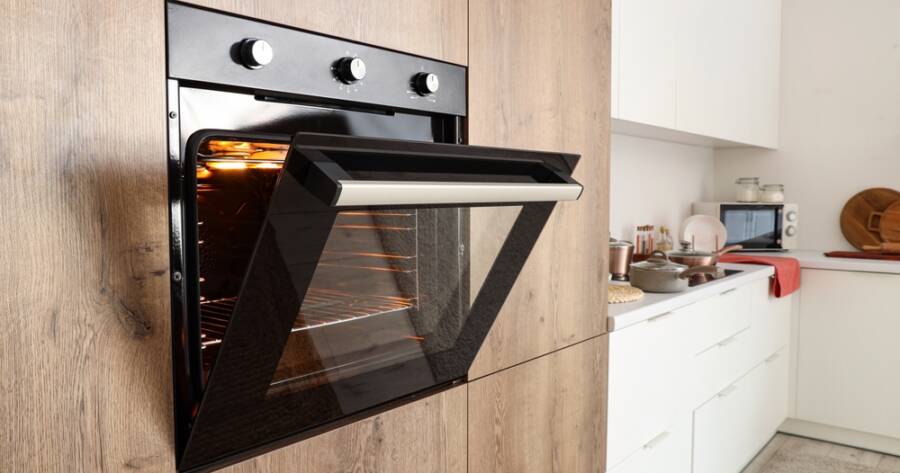
Staying independent at home becomes more achievable when the right technology steps in to help. For older adults, smart kitchen appliances offer practical solutions that reduce daily effort, promote safety, and support confident, self-sufficient living.
Why Smart Kitchen Technology Matters for Older Adults
A growing number of seniors are choosing to remain in their own homes rather than transition to assisted living facilities. According to a 2024 AARP report, three out of four Americans aged 50 and older planned to spend their later years living at home (source). That preference is meaningful, but it also comes with real challenges — particularly in the kitchen, where meal preparation demands focus, coordination, and a sharp memory.
Smart kitchen appliances are uniquely positioned to meet those challenges. They provide automated reminders, real-time monitoring, and connected features that address some of the most common difficulties older adults face during cooking (source). The result is a kitchen environment that feels less overwhelming and more manageable, even for those dealing with mild cognitive decline or limited mobility.
Andy Miller, senior vice president of innovation and product development at AARP, described the impact well: “You’re really empowering someone to live ways that they’ve never been able to live before based on their chronic conditions” (source). That empowerment starts with choosing the right tools — and in the kitchen, three categories of smart appliances stand out above the rest.
Smart Induction Cooktops and Stove Safety Devices
One of the most significant safety concerns in any senior’s kitchen is the stovetop. Cooking-related accidents, including burns and forgotten burners, pose a genuine risk — especially for those managing cognitive challenges. Smart induction cooktops address this directly. Unlike traditional gas or electric ranges, induction surfaces only generate heat when they detect cookware placed directly on them, reducing the risk of accidental burns from touching the surface.
Beyond that physical safety feature, many connected cooktop systems now include automatic shutoff timers and remote monitoring capabilities. A family member or caregiver can check on the status of a burner from another room or even another location entirely. Research supports this kind of technology-assisted intervention, noting that connected kitchen devices offer real-time guidance and the ability to step in before an accident occurs (source). For seniors who love to cook but worry about safety, a smart cooktop can restore confidence in the kitchen.
Smart Slow Cookers and Automated Meal Prep Appliances
Time and energy management are central concerns for older adults who prepare their own meals. Standing at a stove for extended periods can be taxing, and complex recipes with multiple steps may feel daunting. Smart slow cookers eliminate much of that burden by allowing users to set a meal in the morning and return to a finished dish hours later — without needing to monitor or intervene.
Modern versions connect to smartphone apps, allowing temperature adjustments and cooking time modifications without requiring the user to physically interact with the appliance. This hands-off approach to meal preparation is especially valuable for individuals dealing with fatigue or joint discomfort. Automated reminders and monitoring features found in smart kitchen devices have been shown to reduce the chance of cooking-related mishaps among aging adults (source). A smart slow cooker delivers a warm, home-cooked meal without demanding constant attention.
Smart Microwaves and Voice-Controlled Kitchen Assistants
Reheating leftovers, defrosting proteins, and preparing quick meals are all tasks that a smart microwave can simplify considerably. Models equipped with voice control or one-touch smart sensors remove the need to remember specific power levels and timing combinations. Seniors with vision difficulties or reduced dexterity find that voice-activated commands make these everyday tasks far more accessible.
Voice-controlled kitchen assistants — often integrated with smart speakers — extend this accessibility further. A senior can ask for a recipe, set a cooking timer, or receive a step-by-step walkthrough of a dish, all without reading from a screen or consulting a physical cookbook. Tech devices like these cannot replace hands-on human care entirely, but they do provide dependable, around-the-clock support when a caregiver is not physically present (source).
How These Appliances Support Long-Term Independence
The cumulative benefit of integrating smart appliances into a senior’s kitchen goes beyond convenience. Research indicates that technology-assisted cooking support can help delay or reduce the need for full-time caregiving arrangements for older adults with cognitive impairments (source). When a person can prepare meals safely and independently, that capability reinforces their broader sense of autonomy.
Falls and kitchen accidents represent two of the most serious safety risks for older adults living alone. More than one in four people aged 65 and older experience a fall each year, according to the CDC Foundation, making safety-focused smart technology especially critical for this population (source). Smart kitchen appliances that reduce the need to reach, bend, or rush contribute meaningfully to a safer daily routine. Smart assistive kitchen technologies — including sensors and connected appliances — help older adults complete cooking tasks more safely and with greater independence (source).
Caregivers and family members also benefit from this technology. When smart appliances provide remote monitoring and real-time alerts, the people who look after aging loved ones gain peace of mind without needing to be physically present at all times. That balance between supervision and independence is exactly what many families are seeking as they plan for the future.
Why You Should Learn More About Smart Kitchen Appliances for Seniors Today
Smart kitchen appliances represent one of the most practical investments a senior or their family can make in support of aging at home. From safety-focused cooktops to voice-activated microwaves and hands-free slow cookers, these tools work together to reduce daily effort and support a more independent lifestyle. The technology continues to advance rapidly, and staying informed about the latest options means being better equipped to make choices that align with individual needs, health conditions, and kitchen habits. Whether a person is managing a chronic condition, recovering from an injury, or simply looking to simplify daily routines, the right smart kitchen appliance can make a meaningful and lasting difference in quality of life.