

Traditional bath mats are losing ground to sleeker, more functional alternatives — and homeowners across the United States are taking notice. From innovative materials to smarter flooring choices, the bathroom is undergoing a quiet but significant transformation.
Why Homeowners Are Moving Away from Traditional Bath Mats
For decades, the plush cotton bath mat was a bathroom staple. It soaked up water, provided a soft landing after a shower, and came in every color imaginable. But as interior design priorities shift toward cleaner aesthetics, easier maintenance, and longer-lasting surfaces, many homeowners are questioning whether that soggy mat by the tub is really worth keeping around.
Traditional cotton mats come with well-documented drawbacks. They hold moisture for extended periods, require frequent washing, and can develop mildew when left damp. The lint and debris they collect adds another layer of upkeep. As bathrooms evolve into more curated spaces, these practical inconveniences are pushing people toward alternatives that look better and perform differently.
Texture-Rich Flooring That Skips the Mat Entirely
One of the most significant shifts in bathroom design involves rethinking the floor itself rather than what gets placed on top of it. Textured tile has become an increasingly popular choice because it naturally functions as a slip-resistant surface when wet, meaning a separate bath mat for safety becomes far less necessary (source). When the floor itself handles the traction problem, the mat becomes redundant.
This approach appeals to homeowners who want a cohesive, uninterrupted floor surface. A well-chosen textured tile carries its own visual weight, and removing the mat allows the full design of the floor to be appreciated. The result is a bathroom that feels more intentional and less cluttered.
Waterproof Vinyl and the Rise of Low-Maintenance Surfaces
The broader flooring market is driving another major trend that directly affects bath mat usage. Waterproof vinyl planks in wood-look finishes have surged in popularity for bathroom spaces, offering a sleek, modern appearance that pairs better with minimal or no floor coverings compared to traditional tile setups (source). These surfaces are engineered to resist moisture damage at their core, which removes one of the original reasons bath mats existed — protecting the floor.
WPC and SPC vinyl options in particular have dominated 2025 bathroom trends, delivering durable, easy-to-clean surfaces that eliminate concerns about water damage over time (source). Homeowners investing in these premium floor materials often prefer to leave them fully visible, styling the bathroom with other decorative elements rather than covering the floor with fabric.
Innovative Mat Materials Reinventing the Category
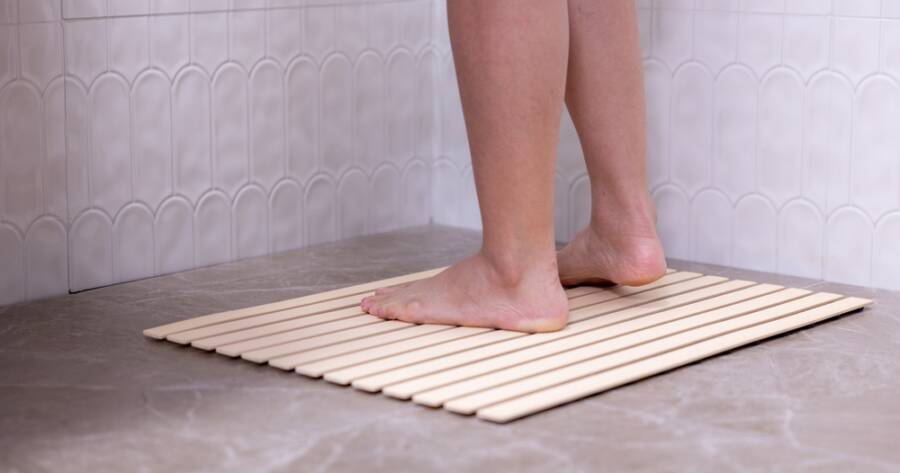
For those who still want something underfoot after a shower but are tired of traditional cotton, a new generation of bath mat materials is redefining expectations. Among the most distinctive options is a mat made from a blend of washi paper and bamboo fiber, which delivers a dry, textured feel and absorbs water efficiently while drying far more quickly than conventional cotton alternatives (source). Its abrasive, nature-inspired surface stands apart from anything a standard fabric mat can offer, and durability testing has shown minimal wear even after years of consistent use (source).
Quick-drying properties are a major selling point across the alternative mat category. Because moisture-retention is one of the chief complaints about traditional mats, products that shed water rapidly address the problem at its root. This matters especially in smaller bathrooms where airflow is limited and damp materials stay wet longer.
Waterproof Carpet: A Surprising Comeback
Another unexpected contender in the bathroom flooring conversation is waterproof carpet. Modern versions of this material are engineered specifically to resist mold and moisture, distinguishing them sharply from the outdated bathroom carpet of past decades (source). Today’s waterproof carpet options provide warmth and softness underfoot — the qualities that originally made bath mats appealing — without the mildew concerns that come with traditional fabric mats.
This option is particularly relevant for homeowners who want the comfort of a soft surface but are frustrated by the maintenance cycle of washing, drying, and replacing fabric mats. A built-in waterproof carpet installation effectively replaces the mat permanently, streamlining the bathroom without sacrificing comfort.
The Role of Non-Slip Performance in the Alternatives Conversation
Safety remains a genuine priority in any discussion of bath mat alternatives. Slip resistance is one of the core functions a traditional mat provides, and any replacement — whether flooring-based or material-based — needs to address this concern credibly. Textured floor surfaces handle this at the floor level, while certain mat alternatives use grippy backings to stay firmly in place and prevent movement on smooth surfaces (source).
When evaluating alternatives, the slip-resistance question deserves direct attention. Some options perform significantly better than others, and the choice of flooring underneath matters as well. A textured vinyl plank paired with a fast-drying mat featuring a secure backing, for instance, combines aesthetic appeal with practical safety — addressing both the design and function concerns that are driving the wider trend.
Style and Practicality Driving the Trend Forward
What unites all of these alternatives is a desire for bathrooms that are easier to maintain, more visually polished, and better suited to modern lifestyles. The traditional bath mat — soft, slow-drying, lint-collecting — served its purpose for a long time. But as flooring technology advances and design preferences evolve, it no longer represents the only or even the best solution to the post-shower wet floor problem.
Homeowners are increasingly treating the bathroom as an extension of the home’s overall design language rather than a purely utilitarian space. In that context, every object on the floor carries visual weight, and many are deciding a soggy cotton rectangle simply does not belong in the picture. The alternatives available today — from washi-bamboo mats to waterproof vinyl floors to texture-forward tile — offer compelling reasons to make the switch.
Why You Should Learn More About Bathroom Rug Alternatives
The shift away from traditional bath mats reflects a broader rethinking of how bathrooms are designed and maintained. Innovative flooring materials, fast-drying mat alternatives, and texture-focused surfaces are collectively reshaping what a functional, attractive bathroom looks like. Each option addresses real pain points — moisture retention, maintenance demands, and visual clutter — that traditional rugs have long carried.
Whether the goal is a sleeker aesthetic, a lower-maintenance routine, or simply better performance after every shower, the alternatives now available offer something the standard cotton mat never could: a solution that works as well as it looks. Exploring these options means making a more informed decision about one of the most frequently used spaces in any home.