

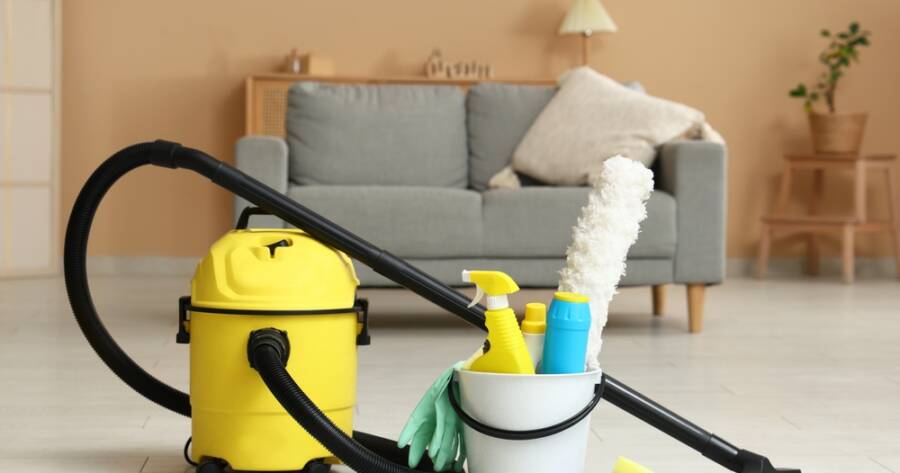
Professional house cleaning can save time and make routine home maintenance easier, but quotes often vary significantly from one provider to another. Home size, location, cleaning frequency, property condition, and the type of service requested can all affect the final bill. Understanding how cleaners set their rates can make comparing estimates and choosing the right service much easier.
What Drives House Cleaning Costs in the U.S.
The price of a professional house cleaning isn’t arbitrary. Rates reflect a combination of factors including home size, geographic location, service type, and how frequently a cleaner visits. For example, a small apartment in Phoenix will cost considerably less to clean than a sprawling home in San Francisco, and a basic tidy-up runs far cheaper than a thorough deep clean. Understanding this pricing structure starts with knowing the national benchmarks.
According to aggregated data from cleaning platforms, professional house cleaners in the United States typically charge between $40 and $55 per hour (source). However, most homeowners don’t pay by the hour. They pay per visit, and those rates can vary significantly depending on what’s being requested.
Standard Cleaning: What a Typical Visit Costs
For a standard residential cleaning visit, homeowners can expect to pay anywhere from $120 to $280, or between $30 and $75 per cleaner per hour in 2026 (source). On average, a one-time visit tends to fall between $174 and $256, with costs on the lower end starting around $131 and premium services or larger homes pushing totals toward $339 (source).
These figures represent a nationwide average, which means local pricing conditions can shift the numbers dramatically. Cleaning rates in major metropolitan areas often run 20% to 50% above national averages. For example, a standard clean for a 2,000 square foot home in San Francisco may cost between $220 and $320, while the same job in Phoenix or Tampa might land between $120 and $200 (source).
Deep Cleaning and Move-Out Services
Not all cleaning jobs are created equal. Deep cleaning—which typically involves scrubbing baseboards, clearing vents, removing heavy buildup, and cleaning the inside of appliances—costs significantly more than a routine visit. Deep cleaning services generally run 50% to 100% more than standard house cleaning (source). Nationally, deep cleaning averages between $190 and $265 per visit (source).
Move-out cleaning carries its own pricing tier entirely. Because landlords and property managers hold higher cleanliness expectations when tenants vacate, this type of service demands more time and precision. Move-out cleaning nationally averages between $200 and $286 per visit (source), while broader platform data puts the range between $250 and $600 depending on home size and condition (source). Homes that haven’t been professionally cleaned in years, or that show significant wear, typically sit at the higher end of that range.
How Recurring Service Schedules Affect Pricing
One of the most reliable ways for homeowners to reduce their per-visit costs is to commit to a recurring cleaning schedule. Cleaning companies frequently offer discounts to clients who book regular appointments, since predictable work is easier to schedule and less labor-intensive than one-time deep cleans.
Monthly cleaning visits average between $162 and $228 per visit, while every-two-week service tends to run between $160 and $220 per visit (source). While those figures may appear similar, the real savings compound over time when compared against the cost of repeated one-time bookings. Frequent visits also mean a cleaner home baseline, reducing the labor required at each appointment.
The Size and Scope of the Cleaning Industry
Professional house cleaning is far from a niche market. The U.S. residential cleaning services industry generates approximately $18.8 billion in annual revenue, growing at a compound annual rate of 3.2% (source). That growth is driven in part by an expanding base of higher-income households—specifically, the rise in homes earning $100,000 or more annually, which has pushed demand for professional cleaning services upward (source).
The industry is also highly fragmented. With roughly 357,000 businesses operating across the country and no single company holding more than 5% market share, the residential cleaning sector is dominated by independent cleaners and small local companies rather than large national chains (source). This fragmentation benefits consumers by keeping competition strong and pricing relatively competitive across markets.
Industry profit margins remain modest, hovering at around 6.6% of revenue on an earnings-before-interest-and-taxes basis (source). That figure suggests cleaning businesses aren’t extracting excessive margins—rates reflect genuine labor, supply, and overhead costs rather than inflated pricing.
Comparing Pricing Models: Hourly vs. Flat Rate
Consumers often encounter two distinct pricing structures when shopping for cleaning services: hourly billing and flat-rate pricing per visit. Each model has trade-offs. Hourly billing can be unpredictable for larger homes or particularly cluttered spaces, where a job might run longer than estimated. Flat-rate pricing offers budget certainty but may not always reflect the actual effort involved if a home is in poor condition.
Many professional cleaning companies prefer flat-rate pricing because it simplifies scheduling and removes disputes over time. Consumers, on the other hand, sometimes favor hourly billing when requesting limited-scope work, such as cleaning just a few rooms rather than an entire home. Knowing the going hourly rate in one’s region provides a useful baseline for evaluating whether a flat-rate quote is fair.
Why You Should Learn More About House Cleaning Costs Today
House cleaning costs in the United States span a wide range, shaped by home size, location, service depth, and scheduling frequency. Standard visits typically fall between $120 and $280, while deep cleans and move-out services command premium rates. The industry itself is large, competitive, and growing, which is a reflection of genuine demand from American households prioritizing clean, well-maintained living spaces.
Consumers who take the time to understand current market rates are better equipped to evaluate quotes, negotiate fair pricing, and choose the service type that best fits their needs and budget. Whether a homeowner is considering a one-time deep clean or a recurring monthly arrangement, knowing the real numbers behind professional cleaning services is the first step toward making a well-informed decision.