

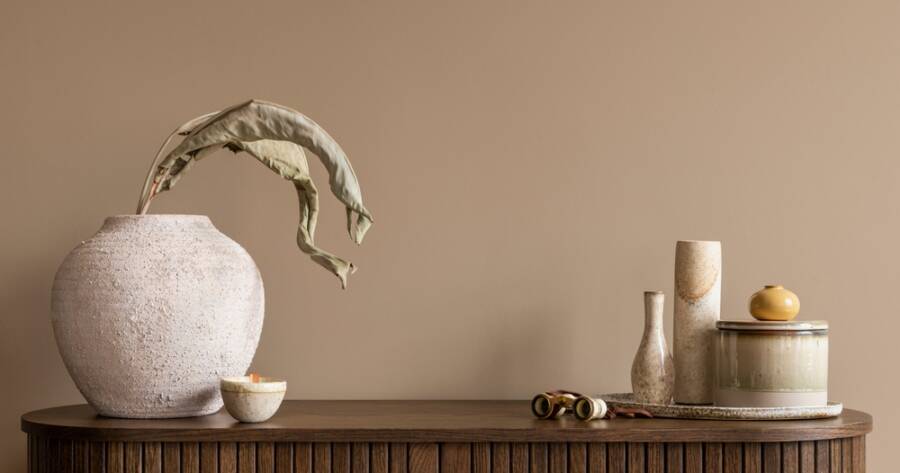
Dining rooms are changing, and some once-standard furniture pieces are no longer the automatic choice they used to be. Homeowners are looking for ways to keep useful storage without making the room feel crowded or dated. A few newer approaches can create a lighter, more flexible space while still preserving the function people expect from traditional dining-room furniture.
Why China Cabinets Are Falling Out of Favor
Traditional china cabinets were once considered essential dining room furnishings, but their popularity has steadily declined as interior design trends move toward cleaner, more restrained aesthetics. In 2026, open shelving, flat wall storage solutions, and minimalist built-ins have emerged as the preferred choices in contemporary homes (source). The bulky, ornate silhouette that once signaled elegance now reads as visual clutter to many buyers and designers.
The challenge goes beyond changing tastes. China cabinets tend to dominate a room, drawing attention away from the dining table and limiting the sense of open space. For homeowners preparing to sell, this becomes a significant concern. Professional home stager Anna Dovger notes that a china cabinet “takes up a lot of space and is a big distraction to your buyer” and are frequently flagged during staging consultations (source). The result is a piece of furniture that, despite its sentimental value, can actively work against a home’s appeal on the market.
What Home Stagers Recommend Instead
When staging professionals advise removing a china cabinet, they typically replace it with something far simpler. A console table, a low chest, or even a refined sideboard paired with artwork creates a more open, inviting atmosphere without sacrificing the sense of intentional design (source). These alternatives keep traffic flowing naturally around the dining table and allow the room itself to feel larger.
The philosophy behind this approach is straightforward: the way a home is lived in daily rarely matches the way it should be presented to potential buyers. Staging requires a more deliberate edit of the space, and oversized storage pieces are among the first elements to be reconsidered. Dishes and collectibles that were previously displayed in a china cabinet can often be redistributed throughout the home, with everyday items stored out of sight and special pieces arranged in kitchen cabinetry (source).
The Sideboard and Hutch as Modern Replacements
Among the most endorsed alternatives by interior designers is the sideboard. Storage that doubles as a display surface has become a defining characteristic of well-designed dining rooms in recent years, and the sideboard fulfills both roles with far less visual weight than a traditional china cabinet (source). Designer Kristen Scharer highlights how a well-chosen antique sideboard can anchor a dining room while also serving as a beverage or dessert display during gatherings (source).
Hutches offer a related solution for those who want a combination of open display and enclosed storage. Designer Bailey Todd recommends this approach specifically because it balances accessibility with discretion: “They allow for everyday storage and this particular one has a mix of hidden storage and open storage to display some of your nicer pieces” (source). This flexibility makes hutches particularly appealing for households that still want their cherished dishware visible but prefer a more curated presentation.
Bar Cabinets and Serving Tables as Functional Upgrades
Bar cabinets have also emerged as a practical replacement in dining spaces, particularly for homeowners who entertain regularly. Unlike a china cabinet, a bar cabinet concentrates tableware, glassware, and napkins into a single, purpose-built unit that streamlines both setup and service during meals (source). The focused function of this piece tends to keep organization tighter and the surrounding space less congested.
Serving tables offer yet another direction, especially in dining rooms where flexibility matters. These pieces can be repositioned for gatherings, tucked against a wall when not in use, and styled with objects that reflect the room’s broader aesthetic rather than functioning purely as storage. Their lower profile avoids the wall-to-ceiling scale that makes traditional china cabinets feel imposing in smaller rooms.
When a China Cabinet Still Works
Despite the prevailing trend away from them, china cabinets are not without merit in the right context. When treated as a structural element rather than a decorative focal point, they can serve effectively as storage walls or dining room anchors that organize a space rather than overpower it (source). Painting a wood cabinet can also reduce its visual heaviness, allowing it to recede into the room rather than dominate it (source).
Editing the contents also matters significantly. A cabinet with fewer, more deliberately chosen objects projects a sense of intentionality rather than accumulation, and closed doors reduce the visual noise that often makes these pieces feel overwhelming (source). Homeowners who are attached to their china cabinets may find that thoughtful styling and a fresh coat of paint are all that stands between an outdated piece and one that fits naturally into a modern room.
Why You Should Learn More About China Cabinets Today
Navigating the shift away from traditional dining room storage requires understanding both what staging professionals prioritize and what modern design values. Sideboards, hutches, bar cabinets, and serving tables each offer distinct advantages over the conventional china cabinet, whether the goal is preparing a home for sale or simply refreshing a dining space.
For homeowners still attached to their china cabinets, strategic styling and updated finishes can preserve the function while shedding the visual bulk. The right storage choice ultimately depends on the room’s proportions, the homeowner’s lifestyle, and how the space needs to perform for its audience, whether that audience is a prospective buyer or everyday household life.