

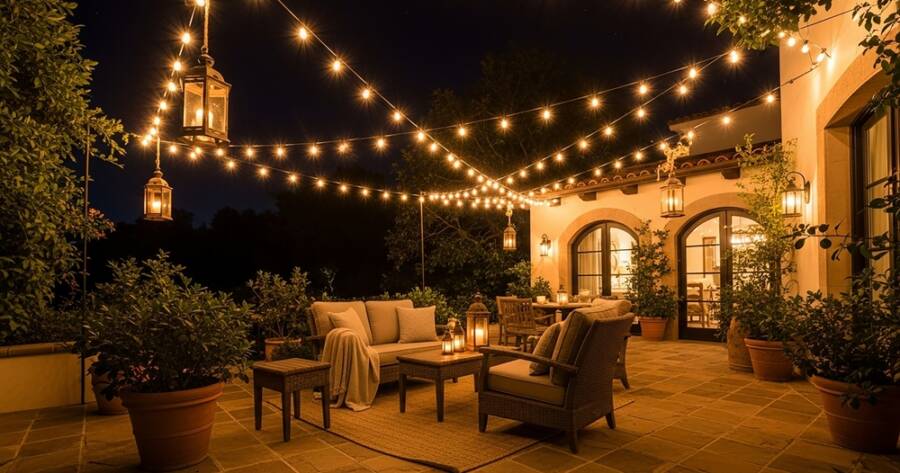
A poured concrete patio is practical and familiar, but it isn’t the only way to create a durable outdoor living space. Natural stone, pavers, porcelain, permeable surfaces, gravel systems, and decking each offer different advantages for appearance, drainage, maintenance, and challenging terrain. Comparing those options can help homeowners choose a surface that better suits their property and priorities.
Why Homeowners Are Moving Away From Concrete Slabs
For decades, poured concrete dominated backyard patio design simply because it was familiar, widely available, and relatively straightforward to install. However, its drawbacks have become harder to overlook. When a concrete slab cracks (and over time, most do), the repair process involves patching and attempting to match the original color, which rarely looks seamless. Meanwhile, alternative materials allow homeowners to replace individual damaged units rather than addressing an entire surface, dramatically simplifying long-term maintenance (source).
Beyond maintenance concerns, today’s homeowners are also weighing curb appeal and resale value more carefully. Concrete pavers remain a widely used patio material, but homeowners now have many other options when appearance, drainage, maintenance, or site conditions are priorities (source). That shift in preference has helped elevate a new generation of patio materials into mainstream consideration.
Natural Stone: Timeless Appeal With Premium Performance
Natural stone sits at the higher end of the investment spectrum, with installed costs that can reach well above standard concrete pricing, but it consistently delivers on both beauty and durability (source). Materials like flagstone, slate, travertine, and bluestone each carry distinct visual character that no manufactured product can fully replicate. Because stone is a natural material, each piece varies slightly in color and texture, giving a patio an organic, bespoke quality.
On the practical side, natural stone holds up impressively well in climates that experience significant temperature swings. Individual pieces can be reset or replaced if frost heaving or soil movement causes shifting, avoiding the all-or-nothing repair scenario associated with monolithic concrete. Paired with the property value boost that premium hardscaping materials tend to deliver, natural stone often justifies its upfront cost over the long term (source).
Concrete Pavers and Porcelain: Versatile Mid-Range Solutions
Concrete pavers occupy a middle ground between poured slabs and natural stone, offering a wide range of shapes, colors, and textures at a price point more accessible than quarried materials (source). Their modular nature is one of their strongest selling points: individual pavers can be lifted and relaid without disturbing the surrounding surface, making utility access and repairs straightforward.
Porcelain pavers represent one of the more exciting newer entrants to the patio materials market. Fired at extremely high temperatures during manufacturing, they emerge exceptionally dense and non-porous, which makes them resistant to moisture absorption, staining, fading, and surface scratching (source). For homeowners in regions that experience harsh winters with repeated freeze-thaw cycles, porcelain’s near-zero water absorption rate is a particularly compelling advantage. The material also tends to maintain its color and surface finish far longer than standard concrete, reducing the need for periodic sealing or restoration work.
Permeable Systems: Drainage-First Design
One of the most functional innovations in modern patio design is the rise of permeable surface systems. Permeable pavers are engineered to let rainwater pass through the joints between units and filter down into the ground rather than running off across hardscape into storm drains (source). This characteristic addresses a growing concern in many municipalities where stormwater runoff contributes to flooding and places stress on drainage infrastructure.
Gravel-based permeable systems take a slightly different approach, using a stabilizing grid framework to keep the aggregate locked in place while still achieving excellent water infiltration (source). The grid prevents the loose, shifting surface that makes plain gravel frustrating underfoot, while the open structure continues to allow rainwater to pass through freely. Properties with sloped yards or areas prone to standing water after rainfall can benefit significantly from either of these permeable approaches.
Eco-Friendly and Adaptive Materials Worth Watching
For homeowners prioritizing sustainability, emerging materials are beginning to offer compelling alternatives. Ferrock, for example, is produced using recycled steel dust and glass, and it actually absorbs carbon dioxide from the atmosphere as it cures—resulting in a net carbon-negative product that achieves strength comparable to traditional concrete (source). While still less widely available than conventional options, ferrock represents the direction that eco-conscious construction materials are heading.
Composite decking rounds out the list of noteworthy alternatives, particularly for properties where the terrain is uneven or challenging to grade. Unlike natural wood, composite boards resist moisture penetration, insect damage, fading, and splintering without requiring the regular sealing or staining that timber demands (source). This adaptability makes composite an appealing option for homeowners who want a finished outdoor living area without the extensive groundwork that stone or paver installations typically require. When combined with thoughtful landscaping, composite decking can transform a difficult backyard into an inviting, low-maintenance retreat.
Why You Should Learn More About Modern Patio Alternatives Today
The range of materials now available for patio projects is broader and more capable than ever before. Whether the priority is long-term durability, environmental responsibility, drainage performance, or simply a more distinctive aesthetic, there is a concrete alternative suited to virtually every need and budget. Natural stone elevates resale value, permeable systems manage water smartly, porcelain handles harsh winters with ease, and eco-forward materials like Ferrock point toward a more sustainable future for outdoor construction.
Understanding what each option offers (and what it costs) puts homeowners in a much stronger position when planning or renovating their outdoor spaces. Exploring these materials thoroughly before committing to a project can mean the difference between a patio that merely functions and one that genuinely enhances a home for decades.