

Gravel has long been a go-to driveway material for homeowners seeking affordability. However, landscapers are increasingly pointing clients toward modern alternatives that offer better durability, environmental performance, and long-term curb appeal without the maintenance headaches gravel brings.
The Real Drawbacks of Gravel Driveways
Gravel driveways have earned their popularity primarily through low upfront cost, running as little as $1 to $3 per square foot installed, making them the most budget-friendly option on the market (source). However, that initial savings comes with ongoing trade-offs that many homeowners only discover after installation. Gravel surfaces are prone to developing ruts with regular vehicle traffic, scatter loose stones across lawns and walkways, and produce dust during dry weather (source). When winter arrives, clearing snow from a gravel surface is notoriously difficult compared to paved alternatives, and the challenge of removing snow without also removing the gravel itself frustrates homeowners in colder climates (source).
Beyond the practical maintenance concerns, gravel driveways also fall short from an environmental standpoint. Because loose gravel provides no structured drainage system, rainwater runoff can carry soil, debris, and surface contaminants into stormwater systems. This is in stark contrast to modern permeable alternatives, which are specifically engineered to manage water at the source.
Permeable Pavers: A Structural Upgrade Worth Considering
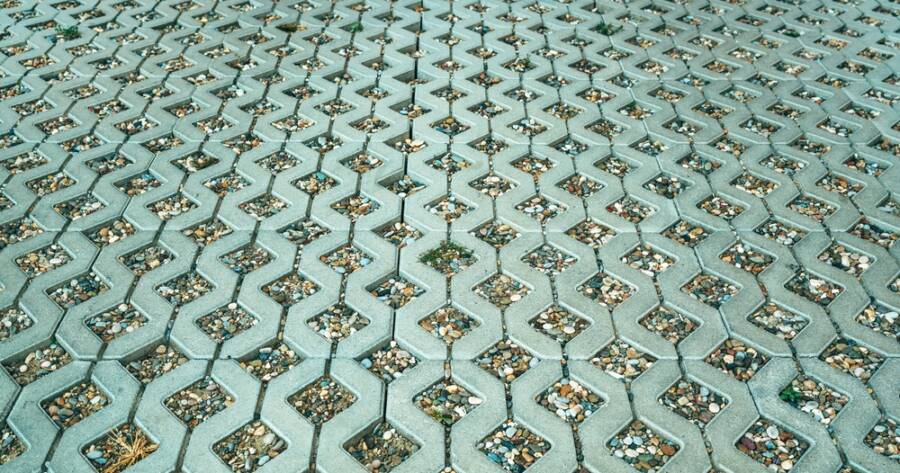
One of the most widely recommended alternatives among landscaping professionals is permeable paver technology. These systems are designed with engineered openings that allow rainfall and snowmelt to pass through the surface and return to the ground below, rather than flowing off into storm drains (source). This approach addresses one of the most significant environmental criticisms of traditional hard-surface driveways while still providing the structural stability and clean appearance that homeowners want.
Permeable pavers represent a newer category of driveway technology that is gaining traction with a broader audience of homeowners and contractors alike (source). Their ability to handle water infiltration makes them particularly attractive in areas with heavy rainfall or strict stormwater management regulations. Unlike gravel, which shifts and disperses over time, permeable pavers remain in place and maintain their structure through years of vehicle use.
Concrete and Stone Pavers: Durability That Lasts Decades
For homeowners prioritizing longevity above all else, concrete and stone pavers present a compelling case. These materials can last up to 75 years when properly installed, making them one of the most durable driveway options available (source). They are also considered the most DIY-accessible among paved driveway types, which can help offset their higher cost for hands-on homeowners. Installed prices range from $8 to $30 per square foot depending on the selected style and pattern, reflecting the wide variety of aesthetic options available (source).
While the upfront investment is significantly higher than gravel, the decades-long lifespan means that concrete and stone pavers often deliver a better cost-per-year value when assessed over the full life of the driveway. For homeowners planning to stay in their homes long-term, this calculation strongly favors pavers over gravel.
Grass Driveways: The Eco-Friendly Option Landscapers Love
Among the most distinctive modern alternatives, grass driveways have been gaining serious attention from both landscapers and environmentally conscious homeowners. These systems use permeable paver grids with openings wide enough to allow grass or ground cover plants to grow through them, creating what appears to be a normal lawn area while providing the reinforcement necessary to prevent ruts and depressions under vehicle weight (source).
The environmental benefits of grass driveway systems are substantial. Rainwater that falls on a grass driveway is able to permeate the surface and recharge the local water table, a process that naturally filters out harmful substances like oil, gasoline, and fertilizer residue (source). By contrast, traditional impermeable driveways channel runoff carrying these same contaminants directly into storm drain systems, which bypasses natural filtration entirely (source).
From a cost perspective, grass driveway systems are often more affordable than homeowners expect. They typically cost less than traditional driveways, with potential savings of up to half the cost of a comparable concrete installation (source). Choosing to seed the paver grid cells rather than install sod can reduce costs even further. The installation process is manageable enough that many homeowners tackle it without professional help, using interlocking 2-foot-square grids that are lightweight and can be trimmed to fit irregular spaces (source).
Selecting the right grass variety matters significantly for long-term success. Durable options that have performed well in driveway applications across different climates include zoysia, Kentucky bluegrass, Bermuda grass, perennial ryegrass, and tall fescue, with the best choice depending on local growing conditions and USDA climate zone (source).
Comparing the Alternatives Side by Side
Each alternative to gravel serves a different set of priorities. Permeable pavers are best suited for homeowners who want structured drainage and a clean, modern look without grass maintenance. Concrete and stone pavers appeal to those focused on maximum lifespan and visual customization. Grass driveways stand out as the strongest option for environmental impact and visual integration with surrounding landscaping.
What all three share is a clear advantage over gravel in terms of long-term performance. Gravel requires ongoing replenishment, rut repair, and dust management that adds up over time. The alternatives, while generally more expensive upfront, reduce or eliminate most of those recurring maintenance costs. Landscapers increasingly stress that total cost of ownership — not just the installation price — should drive material selection for any driveway project.
Climate also plays an important role. Homeowners in snowy regions may find grass driveways less practical for year-round use, while those in mild, rainy climates may find them ideal. Permeable pavers and concrete options tend to perform consistently across a wider range of weather conditions, making them strong candidates for most parts of the United States.
Why You Should Learn More About Modern Driveway Alternatives
Gravel driveways have served homeowners for generations, but the landscape of driveway materials has evolved considerably. Today’s alternatives — from grass paver systems to long-lasting stone pavers to engineered permeable surfaces — offer stronger performance, lower long-term maintenance demands, and meaningful environmental advantages.
Homeowners who take the time to evaluate these options through the lens of total cost, climate suitability, and personal priorities are far better positioned to make a driveway decision they’ll be satisfied with for decades. Consulting with a qualified landscaper or paving contractor can help narrow down which material aligns best with a specific property’s drainage needs, aesthetic goals, and budget.