

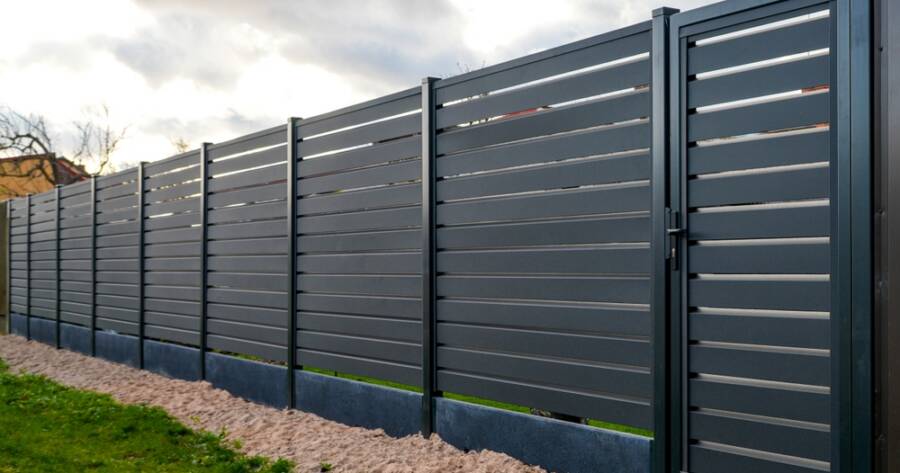
White vinyl remains a familiar fencing choice, but homeowners have far more design options competing for attention in 2026. Horizontal layouts, dark finishes, composite panels, mixed materials, and automated gates are giving residential fences a more architectural look. The strongest trends combine visual appeal with practical considerations such as privacy, durability, maintenance, and long-term performance.
The Shift Away from Traditional White Vinyl
For decades, white vinyl fencing was considered the default choice for residential properties. It was seen as clean, affordable, and easy to recognize. However, design preferences have evolved significantly, and today’s homeowners are seeking fencing options that do more than simply mark a property boundary. They want materials and styles that enhance curb appeal, complement architectural features, and require less ongoing effort to maintain. This shift has opened the door to a wide range of innovative fencing trends that are quickly becoming mainstream across the United States.
The change is not just cosmetic. Homeowners are also weighing practical factors like durability, weather resistance, and long-term value when selecting a fence. These priorities have driven interest in newer materials and designs that outperform traditional white vinyl in multiple categories.
Horizontal Fencing Takes Center Stage
One of the most visible shifts in residential fencing is the growing preference for horizontal board designs. Rather than the vertical pickets associated with classic styles, horizontal fences arrange boards in parallel rows running lengthwise across the property. The result is a streamlined, contemporary appearance that pairs well with modern and transitional home architecture.
Horizontal fencing remains one of the clearest contemporary design trends in 2026, with its long, clean lines giving residential properties a more architectural look that works especially well with modern and transitional homes (source). This style works particularly well in yards where the homeowner wants the fence itself to serve as a design feature rather than a background element. Wood, composite, and metal are all commonly used to achieve this horizontal look, giving homeowners plenty of flexibility in how they execute the concept.
Dark Matte Finishes Replace Bright White
Another significant departure from traditional white vinyl is the rise of dark, matte color palettes. Deep charcoal, matte black, and dark brown tones are appearing on residential fences with increasing frequency, and the trend shows no sign of fading. These finishes give properties a polished, sophisticated look that lighter colors simply cannot achieve.
According to the Oxford Fence Company, dark matte finishes “are becoming increasingly popular among homeowners looking to add a touch of sophistication to their properties” (source). Beyond aesthetics, darker colors also tend to hide dirt and weathering more effectively than white, which means the fence maintains its appearance between cleanings far more easily. Powder-coated aluminum and steel fencing are particularly well-suited to achieving these rich dark finishes, though composite and treated wood options also support a range of deep tones.
Composite Materials Redefine Low-Maintenance Fencing
Composite fencing has emerged as one of the most practical alternatives to white vinyl for homeowners who prioritize durability without sacrificing appearance. Made from a combination of recycled wood fibers and plastic, composite materials resist moisture, pests, and temperature fluctuations in ways that natural wood cannot. Composite fencing is made from recycled wood fibers and plastic, and “its resilience to weather conditions and pests makes it great for places with moisture or extreme climates,” says Sierra Structures (source).
One of the most appealing aspects of composite fencing is how little ongoing care it demands. Unlike wood fences that require regular staining, sealing, or treatment to stay presentable, composite materials “keep their look with little care,” making them a low-maintenance alternative (source). Sierra Structures says composite options also resist fading, staining, and warping, which makes them “an excellent long-term investment” for homeowners who want their fence to look good years down the road (source).
Mixed Materials Add Artistic Character
Homeowners with a design-forward mindset are also turning to mixed-material fencing as a way to create something entirely unique. Rather than relying on a single material throughout, these fences combine elements such as wood and metal, or stone and glass, to build a structure that functions as a genuine design feature on the property.
Mixed material fencing combines different materials to create a fence that is not only functional but also a work of art, adding texture, depth, and visual interest (source). This approach allows for a high degree of customization, enabling homeowners to align the fence’s appearance with the specific materials and tones already present in their home’s exterior design. A cedar-and-steel combination, for instance, introduces both warmth and industrial edge simultaneously.
Smart Gates and Technology-Integrated Fencing
Beyond materials and aesthetics, fencing technology itself is becoming a key consideration for modern homeowners. Smart gate systems now allow property owners to manage access remotely through smartphone applications, receive alerts from motion sensors, and control automated lighting that responds to movement or time of day.
According to Sierra Structures, smart fences “come with features like gates that can be controlled through an app, lights that automatically turn on, and motion sensors for real-time watching and control” (source). For households where security and convenience are priorities, these integrations represent a substantial upgrade over any static fencing system, regardless of material. Technology-integrated fencing pairs naturally with contemporary fence styles and is increasingly being incorporated into new construction and renovation projects alike.
Sustainable Materials Gain Momentum
Environmental consciousness is also shaping fencing decisions. Reclaimed metal and engineered wood have attracted attention from homeowners who want to reduce waste while still achieving a distinctive look. Sierra Structures says these materials “help reduce waste and add a special, industrial or rustic touch to your property,” making them an attractive choice for those who value both sustainability and character (source).
The appeal of sustainable fencing goes beyond environmental responsibility. Reclaimed and repurposed materials often carry a visual uniqueness that mass-produced options cannot replicate. Each piece of reclaimed wood or salvaged metal has its own texture and history, which translates into a fence that feels genuinely one-of-a-kind. As eco-conscious building practices continue to gain traction across the country, sustainable fencing choices are likely to become even more prominent in American residential design.
Why You Should Learn More About Modern Fencing Trends Today
The fencing landscape has transformed considerably, and white vinyl is no longer the automatic choice it once was. Homeowners have access to a wide variety of materials, finishes, and technologies that deliver better performance, stronger visual impact, and greater long-term value. Whether the priority is low maintenance, modern aesthetics, smart home integration, or sustainable construction, today’s fencing market offers solutions that address all of those needs.
Understanding what options exist and how each one performs in real-world conditions helps homeowners make informed decisions that serve their property well for years to come. Staying current on these evolving trends ensures that a new fence becomes a genuine asset rather than simply a boundary marker.