

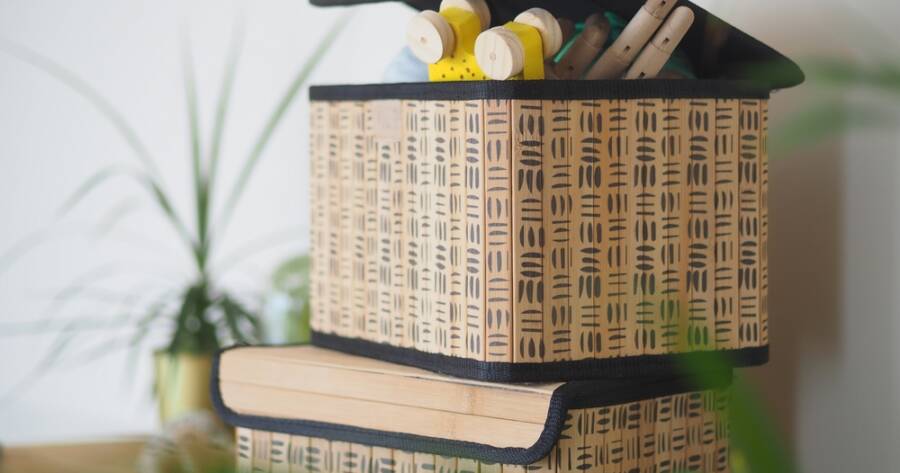
Plastic bins have long been a go-to for home organization, but a growing number of modern alternatives offer smarter, safer, and more stylish ways to keep spaces tidy. Understand modern alternatives that don’t have the drawbacks of conventional plastic storage.
Why Plastic Storage Bins Are Falling Out of Favor
For decades, plastic containers dominated the storage and organization market. They were cheap, widely available, and came in seemingly endless shapes and sizes. However, concerns about their long-term effects on both health and the environment have prompted many homeowners to reconsider their storage choices. Polyethylene plastic bags and containers are connected to phthalates — chemicals that can interfere with hormonal systems tied to reproductive and metabolic health — and when plastics break down, they become microplastics that pose further health and environmental risks (source).
Beyond health concerns, plastic bins can crack, warp, and discolor over time, making them a less durable investment than many people initially expect. The environmental toll of manufacturing and disposing of plastic products adds another layer of concern for eco-minded households. Together, these factors are driving interest in alternatives that combine functionality, aesthetics, and sustainability.
Bamboo and Wood: Natural Durability for Every Room
Among the most popular plastic-free storage options, bamboo and reclaimed wood stand out for their natural appeal and structural integrity. Bamboo grows rapidly compared to traditional timber, making it a highly renewable resource, while wooden crates crafted from reclaimed or recycled wood help reduce the demand for newly harvested materials (source). These materials work particularly well in living rooms, home offices, and bedrooms, where visual warmth matters as much as practicality.
Wood and bamboo bins tend to hold their shape and finish far longer than their plastic counterparts, especially when properly maintained. They can store books, toys, blankets, and office supplies with ease, and their natural textures add a refined touch to any organized space. For those looking to blend organization with interior design, these materials offer an especially compelling case.
Fabric Bins and Baskets: Flexibility Meets Sustainability
Fabric storage bins crafted from cotton, linen, jute, or hemp provide a softer and more eco-conscious approach to organization. Many of these options are washable, which makes them easy to maintain and keep hygienic over time (source). Their flexibility also makes them ideal for closets, shelving units, and under-bed storage, where rigid containers can be difficult to fit or maneuver.
Jute and hemp bins, in particular, bring a natural, textured look that pairs well with both minimalist and rustic home styles. Because fabric bins are generally lightweight, they are easy to reposition throughout a home as organizational needs shift. The washability factor gives them a clear advantage in spaces like nurseries, laundry rooms, and pantries, where cleanliness is a priority.
Metal and Wire Solutions: Strength Without the Bulk
For areas that demand heavy-duty storage, metal and wire baskets present a compelling option. Constructed from materials like stainless steel, iron, or copper, these bins are built to last and can be stacked efficiently to make the most of vertical space (source). Stainless steel containers in particular are recognized for being tough, easy to clean, and suitable for environments ranging from the freezer to the pantry shelf (source).
Wire baskets allow for airflow and visibility, making them a practical choice for produce storage, craft supplies, and bathroom essentials. Metal options also resist moisture better than many plastics, which means they hold up well in garages, laundry rooms, and kitchens. Their industrial aesthetic has also become a sought-after design element in contemporary home décor.
Glass and Silicone: Safer Choices for Food Storage
When the focus shifts to kitchen and food storage specifically, glass and silicone rise to the top of the list. Unlike many plastic containers, glass does not leach chemicals into food — even when heated — and its durability means it resists scratching far better than plastic, extending its usable life considerably (source). Glass containers are also fully recyclable, adding an environmental advantage that plastic rarely matches.
Reusable silicone bags are widely considered non-toxic and food safe, and they are dishwasher safe as well, making cleanup straightforward (source). As a direct replacement for single-use plastic zip bags, silicone options dramatically reduce household waste over time. Both glass and silicone adapt well to a variety of storage conditions, from the refrigerator to the microwave, making them versatile staples for organized, health-conscious kitchens.
Wicker and Rattan: Handcrafted Storage With Character
Wicker and rattan bins bring a handcrafted quality to home organization that mass-produced plastic bins simply cannot replicate. Traditionally woven from natural materials including seagrass, water hyacinth, and rattan, these baskets are lightweight, easy to move around, and available in a wide range of sizes for different storage applications (source). Their open-weave construction also provides natural ventilation, which can be beneficial for storing items like linens or fresh produce.
In living spaces, wicker and rattan baskets serve double duty as both storage solutions and decorative accents. Their earthy tones and organic textures complement a wide variety of interior styles, from coastal and bohemian to traditional and farmhouse. For anyone looking to add warmth and character to an organized home, these handwoven options deliver on both fronts.
Why You Should Learn More About Modern Storage Alternatives
Transitioning away from plastic bins is more than a design trend — it reflects a broader commitment to healthier living environments and more sustainable household choices. Whether a homeowner prioritizes the durability of metal, the warmth of bamboo, the safety of glass, or the natural charm of wicker, today’s alternatives offer a rich variety of options to suit any space, style, or budget.
Each material brings distinct strengths, and mixing several across different rooms often produces the most functional and visually cohesive results. Understanding the full range of modern storage solutions empowers individuals to make thoughtful choices that serve both their organizational goals and their long-term well-being.