

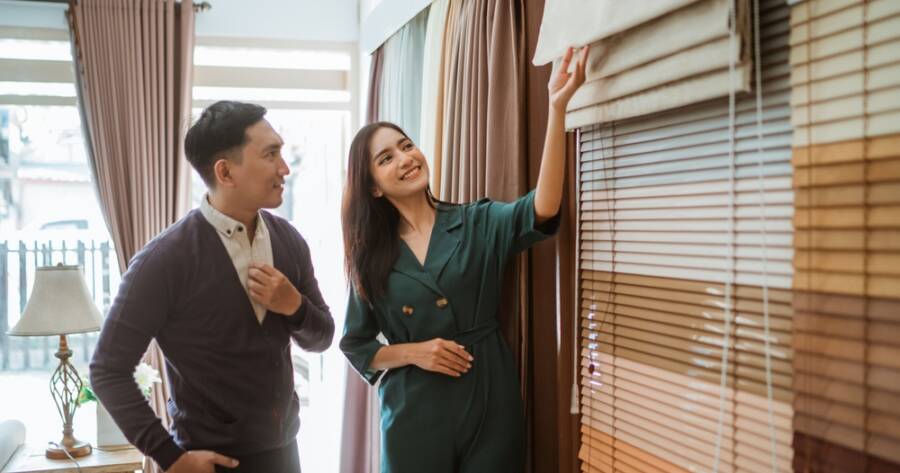
Window treatments can shape everything from a room’s light and privacy to its overall style and maintenance needs. Modern blinds have become an appealing alternative to traditional drapes, offering precise adjustment, durable materials, streamlined designs, and increasingly sophisticated automation. For homeowners updating an older space, those practical advantages can make blinds worth a closer look.
Why Homeowners Are Rethinking Traditional Drapes
For decades, fabric drapes dominated American living rooms and bedrooms. Heavy panels, layered valances, and flowing curtains were once considered the gold standard of interior design. But tastes have shifted, and so has the practical calculus behind window treatments. Today’s homeowners are weighing not just aesthetics but also durability, maintenance, and cost. And modern blinds are winning on nearly every front.
One of the most compelling reasons to move away from traditional drapes is longevity. Blinds can offer a longer service life than curtains, with well-cared-for options often lasting well beyond a decade before replacement becomes necessary (source). For a homeowner investing in a full-house window treatment upgrade, that gap in lifespan represents real long-term savings.
Cost is another area where blinds hold a meaningful advantage. Outfitting eight windows with blinds, including materials and installation, tends to run considerably less than dressing the same number of windows with curtains, which can cost several times more depending on the fabric and style chosen (source). For budget-conscious renovators, that difference is hard to ignore.
Light Control That Drapes Simply Cannot Match
One of the defining advantages modern blinds hold over traditional drapes is the precision with which they manage natural light. The adjustable slat system found in most blinds allows a homeowner to flood a room with sunshine in the morning and cut harsh afternoon glare without ever fully blocking the view outside (source). Fabric panels, by contrast, offer a more binary choice, open or closed, with limited ability to fine-tune the amount of light entering a space.
Certain solar shade options push this capability even further. Some products block up to 90% of UV rays while remaining visually transparent enough that the outdoor view stays largely unobstructed (source). That combination (UV protection without sacrificing sightlines) represents a practical upgrade that traditional drapes simply are not designed to deliver.
Smart Blinds Are Changing What Window Treatments Can Do
Perhaps the most dramatic evolution in the blinds category is the rise of motorized and smart window coverings. These systems allow homeowners to automate their window treatments entirely, setting schedules that open and close blinds at specific times without any manual effort — a particularly valuable feature in homes with many windows or fixtures in hard-to-reach locations (source).
Some advanced products go beyond simple scheduling. The Lutron Caséta Smart Wood Blinds, for example, use a feature called Natural Light Optimization to automatically adjust louver angles throughout the day, dynamically balancing light quality while reducing glare (source). Voice command integration and smartphone app control are now standard features across many product lines, putting complete window management at a homeowner’s fingertips without ever leaving the couch.
Smart blinds also contribute to home security in a way that drapes cannot replicate. Automated movement patterns can make an unoccupied house appear lived-in, creating the impression of activity when no one is home (source). This passive security benefit adds another layer of value that goes beyond simple aesthetics.
Design Trends Are Moving Toward Blinds and Away From Heavy Fabric
The design world has also shifted decisively toward window treatments that feel lighter, more textural, and more connected to natural materials. In 2026, the leading trends in window coverings center on earthy color palettes, such as moss greens, terracottas, forest browns, and stony grays, that create a calming, grounded atmosphere in any room (source). These tones translate far more naturally into structured blind and shade formats than into heavy fabric drapes.
Natural fiber options like woven wood shades, crafted from bamboo, reeds, and grasses, are gaining particular traction among design-conscious homeowners who want warmth and organic character without the bulk of traditional curtains (source). These materials bring a tactile richness to a room that feels intentional and current rather than dated.
Layered treatments are also trending, combining sheer shades with structured blinds to offer both flexibility and visual depth (source). This approach gives homeowners the softness of fabric alongside the precision of blinds, without committing exclusively to heavy drapes that dominate a room’s visual character. The result is a window treatment strategy that feels modern, versatile, and entirely suited to how people actually live today.
Why You Should Learn More About Modern Window Blinds Today
Modern window blinds have evolved well beyond their utilitarian origins. They now offer homeowners a compelling combination of durability, cost efficiency, precision light management, smart home integration, and forward-looking design. Traditional drapes, for all their classic appeal, struggle to compete on this many dimensions simultaneously.
Whether the priority is trimming long-term replacement costs, gaining finer control over natural light, automating home systems, or simply aligning a space with current design sensibilities, blinds present a practical and stylish path forward. Exploring the full range of options available today, from motorized smart shades to handcrafted woven wood styles, reveals just how much this category has grown into a true design statement for the modern American home.