

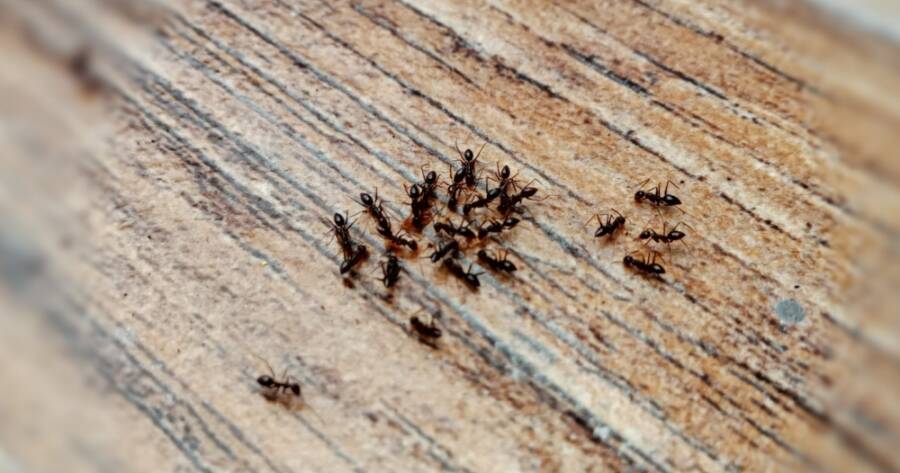
Ants can become frustrating when colonies spread through lawns, gardens, or areas close to the home, but broad pesticide spraying isn’t always necessary. Habitat changes, moisture control, physical barriers, trail removal, and targeted nest management can all help reduce unwanted activity. A consistent approach works best, especially when the goal is managing ants with minimal environmental impact.
Understanding Why Ants Settle in Yards
Before attempting to eliminate ants, it helps to understand what draws them to a yard in the first place. Ants seek out stable nesting conditions, moisture, food sources, and easy access to structures. Common attractants include leaf litter, mulch piled near building foundations, overgrown shrubs, and tree branches that create natural bridges to the home. Addressing these conditions is often the most effective first step because it removes the environment ants need to thrive, rather than simply targeting the ants themselves.
Integrated pest management, or IPM, is a science-based approach that prioritizes pest prevention and exclusion over repeated pesticide applications (source). By combining habitat modification with targeted non-chemical tools, homeowners can achieve long-term results without contaminating soil, water, or surrounding wildlife habitats.
Modifying the Habitat Around the Home
One of the most straightforward natural strategies involves changing the physical environment around a house. Keeping vegetation, mulch, and leaf litter several inches away from the foundation and walls significantly reduces the likelihood that ants will nest close to entry points (source). Ants favor these moist, sheltered materials as nesting grounds, so clearing them back removes prime real estate.
Trimming trees and shrubs so their branches no longer touch structures is equally important. When foliage extends to rooflines or walls, it creates accessible pathways that foraging ants readily use (source). Managing irrigation is another consideration — excess moisture from overwatering creates conditions that attract ants and other insects alike. Reducing standing water and improving drainage naturally makes a yard less hospitable.
Disrupting Nests Directly
For homeowners dealing with visible ant mounds or nests, physically disturbing the colony can be an effective non-chemical option. Digging up nests or saturating them with hot, soapy water disrupts the colony structure and discourages ants from rebuilding in the same spot (source). This approach works best when a nest is easy to locate and access.
Repeatedly flushing nests with water mixed with insecticidal soap is considered one of the least impactful chemical-adjacent interventions available, though results tend to vary depending on the size and depth of the colony (source). For many homeowners, combining this tactic with habitat changes yields better outcomes than either method alone.
Managing Ant Trails and Entry Points
Ants communicate and navigate using chemical trails called pheromones. Disrupting these invisible highways can break the cycle of foraging activity. Wiping down surfaces where ant trails have been observed using a mixture of soapy water or diluted vinegar removes the scent cues that guide other ants to follow the same path (source). Regular cleaning of these areas, especially near entry points, keeps scouts from leading larger numbers into the yard or home.
In garden and landscape settings, physical barriers offer another natural deterrent. Applying a sticky material around the base of tree trunks creates a barrier that prevents ants from climbing upward to reach leaves, branches, and any aphid colonies they may be tending (source). This protects plants from the indirect damage that comes from ants farming aphids and other soft-bodied insects.
Setting Realistic Expectations for Natural Control
Natural ant control requires honest expectations. Common home remedies such as boiling water and horticultural vinegar often fall short of eliminating enough ants to make a meaningful difference in established infestations (source). This doesn’t mean natural methods are worthless. It means they work best as part of a broader, consistent management strategy rather than one-time fixes.
Experts also point out that ants play a beneficial role in the ecosystem. They prey on other insects that damage lawns and gardens, meaning some level of ant activity can actually be advantageous (source). Chemical sprays, by contrast, kill only foraging ants on the surface without reaching the nest, meaning colonies quickly replenish, while the pesticides themselves risk contaminating waterways and harming aquatic life (source). Natural strategies, used consistently, avoid these downstream consequences while still reducing ant pressure over time.
Why You Should Learn More About Natural Ant Control Today
Natural yard management strategies offer a sustainable path for homeowners who want to reduce ant activity without turning to broad-spectrum chemical products. Habitat modification, physical barriers, nest disruption, and trail elimination work together as a system, with each layer reinforcing the others. While no single technique guarantees complete elimination, the combination of these methods, applied consistently across seasons, creates conditions far less inviting to ant colonies.
Understanding the science behind ant behavior, including how they nest, forage, and colonize new areas, empowers homeowners to make smarter, longer-lasting decisions. Deepening that knowledge leads to more effective outcomes and a healthier outdoor environment overall.