

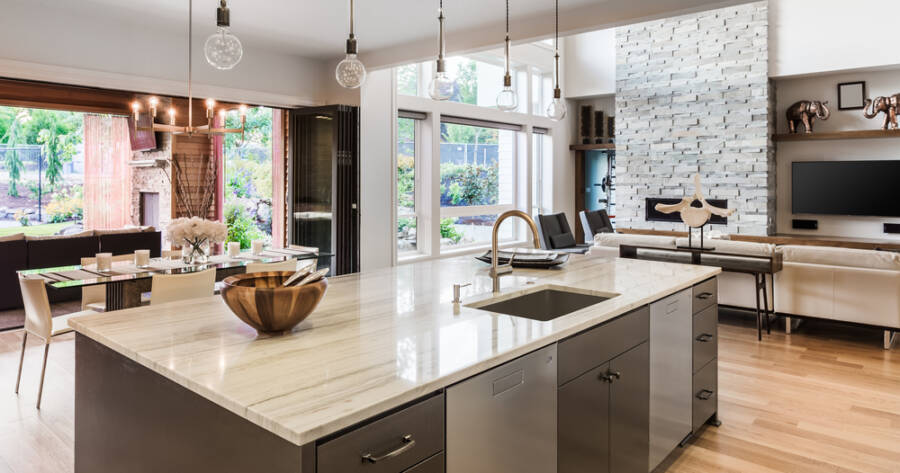
Kitchen cabinet design is having a major moment, and the shifts happening in 2026 go far beyond paint colors. From texture and contrast to smarter storage solutions, homeowners are rethinking what cabinets can do. Understand the leading trends as well as some outdated habits along the way.
A New Era of Cabinet Design
The way designers and homeowners think about kitchen cabinetry has fundamentally changed. Rather than chasing a single dominant style, today’s approach is deeply personal. Cabinetry is increasingly treated as a form of self-expression, drawing on architectural history and furniture-making traditions rather than off-the-shelf trends. Designers are pulling inspiration from early 20th-century aesthetics, incorporating furniture-style bases, inset doors with refined trim work, and period-influenced architectural details that give kitchens a collected, lived-in quality (source).
This shift means that the rigid “rules” of kitchen design — everything must match, everything must be neutral — are giving way to something more expressive. Homeowners are treating cabinetry the way they might treat a wardrobe: with intention, personality, and an eye for detail that makes a space feel uniquely theirs.
Texture Is Taking Center Stage
One of the most talked-about developments in cabinet design right now is the rise of fluted detailing. This ribbed, vertical surface treatment adds depth and tactile interest that a flat cabinet door simply cannot replicate. Whether used as an accent on a kitchen island or applied across full-length cabinet doors, fluted cabinetry introduces a layer of visual richness that elevates the entire room (source).
Texture-forward cabinet choices work especially well in kitchens that lean toward modern, transitional, or even vintage-inspired styles. The grooved surfaces catch light differently throughout the day, creating a subtle but dynamic effect that flat-front cabinets can’t achieve. For anyone looking to add character without undertaking a full renovation, swapping in fluted door fronts on select cabinets is one of the most impactful changes a homeowner can make.
The Case for Two-Tone Cabinetry
Two-tone cabinet combinations have moved well beyond a passing trend and into a genuine design staple. The visual contrast created by pairing a deeper, saturated hue on lower cabinets with a lighter tone on upper cabinets — or vice versa — adds architectural dimension to a kitchen that a single-color scheme simply cannot match. Popular pairings include deep navy or forest green alongside cream, white, or soft grey, creating a grounded yet airy feel (source).
What makes two-tone designs particularly appealing is their versatility. A kitchen that might otherwise feel flat or predictable is transformed by the deliberate layering of color. Designers note that this approach also allows homeowners to subtly zone their kitchen space — the visual weight of darker lower cabinets can anchor the room, while lighter uppers keep the space feeling open and breathable.
Lacquered Finishes: Practical and Polished
Among finish choices, lacquered cabinetry is earning renewed attention for good reason. The glossy surface of a lacquered cabinet actively reflects ambient light, making even a modest-sized kitchen feel more expansive and bright. This quality makes lacquered finishes especially well-suited to contemporary and modern kitchens where clean lines and a sense of openness are priorities (source).
Beyond aesthetics, lacquered surfaces offer genuine practicality. They tend to be easier to wipe down and maintain compared to matte or wood-grain finishes, making them a smart choice for busy cooking environments. The combination of elegance and everyday durability is precisely why designers keep returning to this finish, regardless of shifting trends in other areas of cabinet design.
Ditch the Wicker: Wire Mesh Storage Is the Smarter Cabinet Choice
Replacing wicker baskets with metal mesh is a simple way to modernize storage inside kitchen cabinets and pantries. Wicker can be more vulnerable to moisture and mold, while metal mesh offers a durable alternative that is better suited to areas where spills and humidity are common (source).
Wire baskets also allow air to circulate around stored items and make contents easier to see. IKEA’s steel mesh kitchen baskets are specifically designed with open construction to improve airflow and can be wiped clean with a damp cloth, making them practical for everyday kitchen use (source).
For homeowners updating cabinet interiors, wire mesh provides a clean, functional alternative that works well in pantry shelves, pull-out systems, and other storage areas. Its combination of durability, ventilation, and easy maintenance makes it a strong fit for modern kitchen organization.
Why You Should Learn More About Kitchen Cabinet Decor
Kitchen cabinet design in 2026 is defined by a balance of beauty and practicality. Textured finishes like fluted doors bring personality, two-tone color schemes add architectural depth, and lacquered surfaces deliver both polish and easy maintenance. Meanwhile, the move away from wicker toward metal mesh storage reflects a broader shift toward hygiene-conscious, durable, and design-forward choices inside the cabinet.
Each of these trends points to the same underlying principle: every decision made in a kitchen — from the color of the cabinet to what sits on its shelves — contributes to a space that is both functional and deeply personal. Staying informed about evolving cabinet design helps homeowners make choices that stand the test of time.