

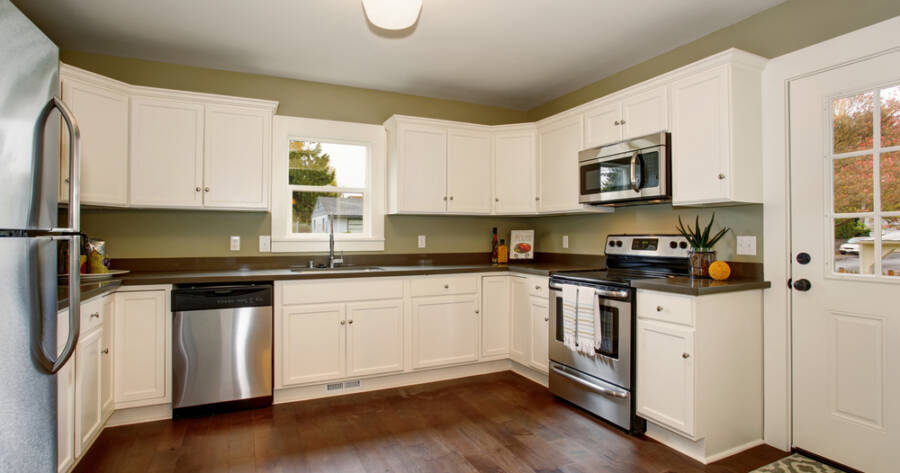
The gap above kitchen cabinets can easily become a forgotten strip of empty wall, but it doesn’t have to stay that way. Depending on the size of the space and the style of the kitchen, it can be used for storage, color, art, or decorative displays. A few thoughtful changes can make the entire room feel more finished.
Why the Space Above Kitchen Cabinets Deserves Attention
Most kitchens have a strip of unused space sitting between the tops of the cabinets and the ceiling. Homeowners frequently ignore it, let it collect dust, or fill it haphazardly with items that don’t belong anywhere else. But interior designers and home organization experts consistently point to this zone as one of the most versatile and underutilized surfaces in the kitchen.
Whether the goal is to add personality, create functional storage, or tie the whole room together visually, the area above the cabinets offers real potential. The key is approaching it with intention rather than treating it as an afterthought.
Using Color and Paint to Make a Bold Statement
One of the simplest ways to transform this space costs very little and requires no new furniture or accessories. Painting the wall above the cabinets in a contrasting color creates a dramatic visual frame for the entire kitchen. Selecting a shade that stands apart from both the cabinetry tone and the ceiling color draws the eye upward and gives the room a more finished, intentional look (source).
For a more playful or functional twist, chalkboard paint converts the surface into a working canvas right in the kitchen. Calendars, shopping lists, or weekly meal plans can live there permanently without taking up counter space, and the look stays clean and cohesive (source). Wallpaper is another option for homeowners who want pattern and texture without committing to a full room makeover.
Turning the Space Into Smart Storage
Storage is often the first priority for busy households, and the tops of kitchen cabinets are surprisingly practical for this purpose. Items that are used occasionally rather than daily make perfect candidates for this elevated spot. Picnic baskets, extra cutting boards, large serving platters, and seasonal cookware all fit naturally in this zone without cluttering daily-use spaces (source).
Stacking woven or wicker baskets above the cabinets adds storage capacity while also contributing to a warm, farmhouse-inspired aesthetic. The texture of natural materials softens the hard lines of cabinetry and introduces an organic element that many kitchen styles benefit from (source).
For households with recipe collections, the space above the cabinets can house magazine files and lidded containers to hold loose recipe cards, printed pages, and handwritten notes. This approach clears the countertop entirely while keeping the kitchen’s creative resources organized and accessible (source). Labeling each container makes retrieval far easier, especially when items are stored at height.
Creating a Curated Display That Reflects Personal Style
The area above kitchen cabinets also functions as a natural gallery wall or styled vignette. Framed photographs, large art prints, and a mix of framed and unframed pieces can all coexist in this space. Because the display sits at a distance from eye level, pieces that are bold and easy to appreciate from across the room tend to work best (source).
A “still life” arrangement using glass vases, candlesticks, and decorative objects of varying heights adds dimension and visual rhythm. Grouping items with similar color palettes or complementary materials keeps the display looking intentional rather than cluttered (source). Open boxes or small containers can also organize smaller decorative pieces while maintaining a tidy overall appearance.
Matching the Approach to the Kitchen’s Overall Design
The best choices for this space depend heavily on the existing style of the kitchen. A modern, minimalist kitchen benefits from a clean, restrained approach, such as a single row of uniform containers or a bold painted accent. A more eclectic or farmhouse-style kitchen welcomes textured baskets, layered displays, and a mix of objects with personal history.
Lighting is another consideration. Installing small accent lights along the top of the cabinets draws attention to whatever is displayed there and adds warmth to the room at night. This detail alone can shift the entire atmosphere of the kitchen without requiring any structural changes.
Homeowners who feel uncertain about where to start can pick one approach, whether it is a paint change or a single styled grouping, and build from there. The space rewards experimentation, and small adjustments can have a noticeable effect on the room as a whole.
Why You Should Learn More About Kitchen Cabinet Styling
Kitchen cabinets define the character of the most-used room in a home, and the space above them is a final design detail that too many homeowners leave unfinished. From practical storage solutions using labeled boxes and baskets to expressive displays of art and personal objects, this area has the capacity to serve multiple purposes simultaneously.
Whether someone is working with a tight budget or planning a full refresh, the tops of kitchen cabinets offer genuine design opportunity. Investing time in this often-forgotten zone can make a meaningful difference in how the kitchen feels and functions every day.